


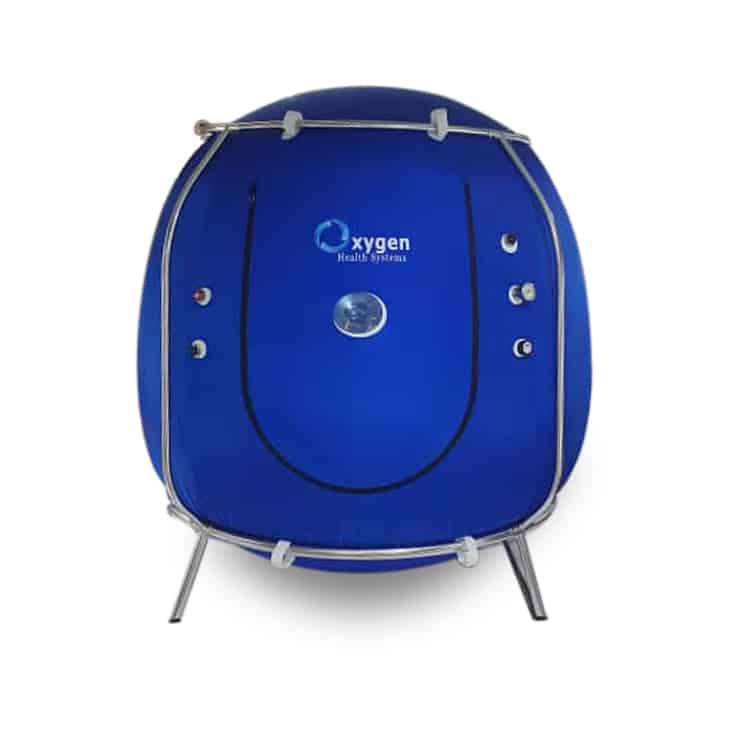

Interest in pressurized oxygen environments has increased as people look for ways to understand recovery, mobility, and wellness technologies. The Benefits of Hyper Oxygen Therapy are often discussed online in broad terms, but responsible information should separate established physical principles from claims that may be uncertain, overstated, or highly dependent on individual circumstances.
<< Check Price & Availability >>
This guide takes an educational approach. It explains how pressurized oxygen settings are generally described, why joint and bone claims need careful interpretation, and how publishers can present the topic responsibly. It also covers practical website best practices for 2026, including titles, descriptions, headings, internal links, image text alternatives, performance, structured data, mobile layout, accessibility, and common publishing mistakes.
Benefits of Hyper Oxygen Therapy should be discussed with careful language and realistic expectations.
When readers see claims about joints, bones, recovery, or performance, the first question should be whether the statement is describing a physical mechanism, a research observation, or a guaranteed personal result. Those are very different things. A mechanism can help explain why researchers study a technology, but it does not automatically prove that every user will experience the same outcome.
The Benefits of Hyper Oxygen Therapy are best framed as a subject for evidence-based discussion rather than a promise. Reliable articles should explain the type of chamber, pressure conditions, oxygen delivery method, session structure, and the quality of the evidence being cited. They should also make uncertainty easy to understand.
- Separate technical facts from promotional language.
- Avoid presenting one person's experience as a universal result.
- Explain whether a statement comes from laboratory, clinical, or observational research.
- Use cautious wording when evidence is limited or mixed.
- Encourage readers to compare sources instead of relying on one promotional page.
Benefits of Hyper Oxygen Therapy can be understood better by first learning how pressure and oxygen interact.
Hyperbaric environments use pressure above normal atmospheric conditions. In a controlled chamber, oxygen delivery and pressure are managed according to the equipment and operating protocol. From a physics standpoint, pressure changes influence how gases behave and how oxygen can dissolve in body fluids.
Understanding the Benefits of Hyper Oxygen Therapy therefore begins with the operating environment rather than with a list of promised outcomes. Chamber pressure, oxygen concentration, session length, delivery method, and supervision all matter when evaluating what a specific service or device actually provides.
Benefits of Hyper Oxygen Therapy should not be confused with the idea that more oxygen always means better results.
More is not automatically better in any technical system. A higher pressure, longer session, or greater oxygen concentration does not by itself establish that a person will receive a better result. Safe and appropriate operation depends on the setting, equipment, and professional guidance.
For educational content, it is more useful to explain variables than to rank them dramatically. Readers should be able to understand how pressure is measured, how oxygen is delivered, and why two chamber experiences may differ even if both are described with similar marketing language.
Benefits of Hyper Oxygen Therapy and joint-related claims require especially careful interpretation.
Joint comfort and mobility can be influenced by many factors, including activity level, previous injuries, age, workload, sleep, body mechanics, and existing conditions. Because these factors are so varied, broad statements about joint outcomes should not be presented as predictable for everyone.
The Benefits of Hyper Oxygen Therapy may appear in articles that discuss circulation, oxygen availability, recovery environments, or research hypotheses. A responsible article should clearly distinguish those ideas from direct claims that a chamber will strengthen, rebuild, or restore a joint.
Readers should also be cautious when before-and-after stories are used without context. Personal experiences can be meaningful to the individual, but they do not replace controlled evidence.
Benefits of Hyper Oxygen Therapy and bone-strength claims should be evaluated through the quality of the evidence.
Bone strength is influenced by nutrition, mechanical loading, age, hormones, activity, and many other factors. Any article that connects a pressurized oxygen environment with bone-related outcomes should identify the evidence behind the statement and avoid turning preliminary findings into certainty.
When discussing these claims, writers should explain whether the source is a laboratory study, an animal study, a small human study, or a broader body of research. This context helps readers understand how confidently a finding can be applied.
Benefits of Hyper Oxygen Therapy content should use accurate page titles rather than exaggerated promises.
A page title is one of the first things a searcher sees. It should accurately describe the article and avoid language such as “guaranteed,” “instant,” or “proven for everyone.” A useful title can mention the technology, the topic being examined, and the educational purpose of the page.
For this topic, a strong title should set expectations honestly. If the article explores joint and bone claims, the wording should make clear that the page is explaining evidence and mechanisms rather than promising a particular outcome.
Benefits of Hyper Oxygen Therapy pages need concise meta descriptions that summarize the real content.
A meta description should tell readers what they will learn in a short, plain-language summary. It should not repeat the title word for word or add claims that the article does not support.
When the subject is discussed, the description can mention pressure, oxygen delivery, research context, chamber types, or practical questions to ask. The goal is to attract the right reader with accurate expectations.
Benefits of Hyper Oxygen Therapy articles should use a logical header hierarchy from H1 through H4.
Heading structure helps both readers and search systems understand how a long article is organized. Use one H1 for the central topic, H2 headings for major sections, H3 headings for supporting points, and H4 headings only when an additional level is genuinely useful.
A clear hierarchy is especially helpful for technical subjects. Readers may want to jump directly to pressure, chamber types, joint claims, evidence quality, website performance, or accessibility without reading every paragraph in sequence.
Benefits of Hyper Oxygen Therapy content becomes easier to scan when each heading answers a specific reader question.
Complete, descriptive headings are more useful than vague labels such as “More Information” or “Important Facts.” A heading should tell the reader what the next section will explain.
This approach also supports mobile reading. On a smaller screen, strong headings create visual breaks and help prevent a technical article from becoming an uninterrupted wall of text.
Benefits of Hyper Oxygen Therapy pages should use internal links to provide supporting context.
Internal links can connect readers to related pages about chamber pressure, oxygen terminology, equipment types, preparation, or technical specifications. Use descriptive anchor text that explains the destination instead of generic phrases such as “click here.”
For this subject, internal linking is also useful for separating broad educational content from deeper technical articles. A beginner page can introduce the topic and then point readers toward more detailed explanations without overloading one page.
Benefits of Hyper Oxygen Therapy content should use images that educate rather than exaggerate.
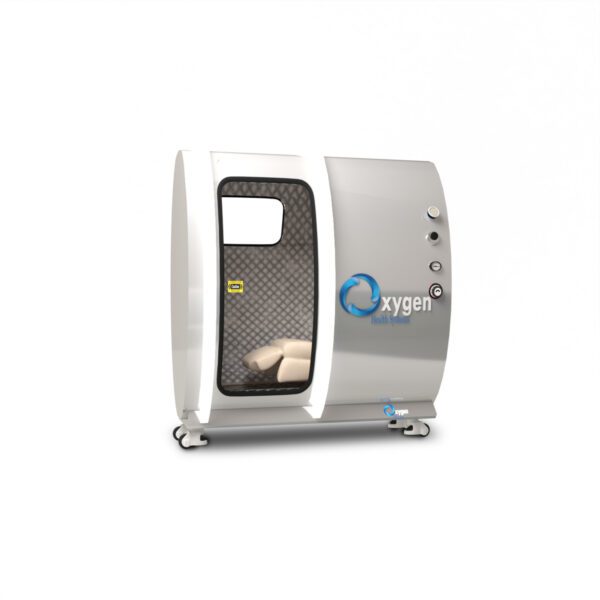
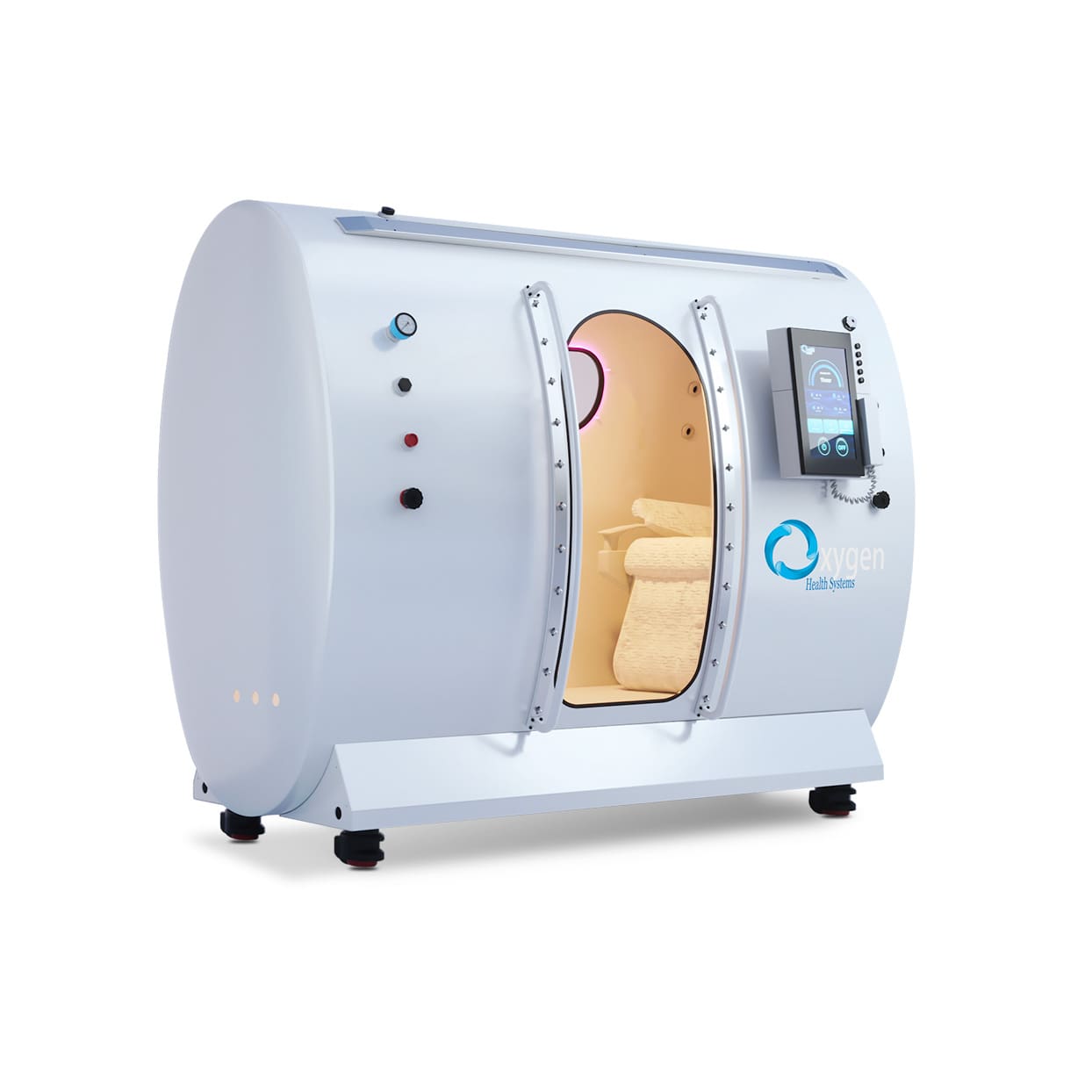
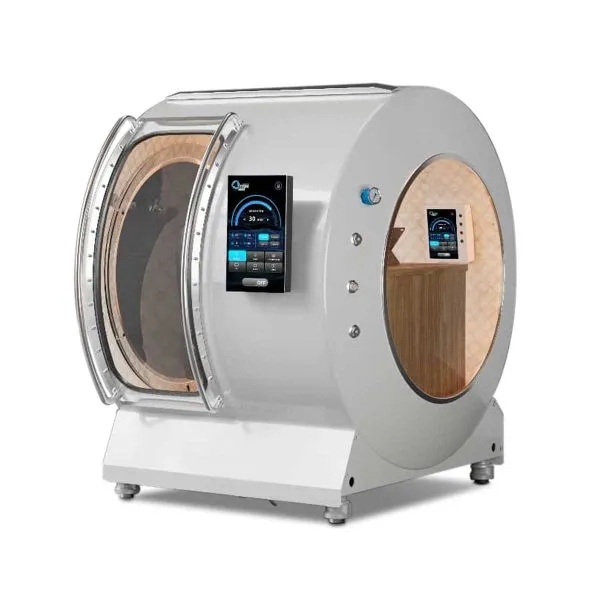
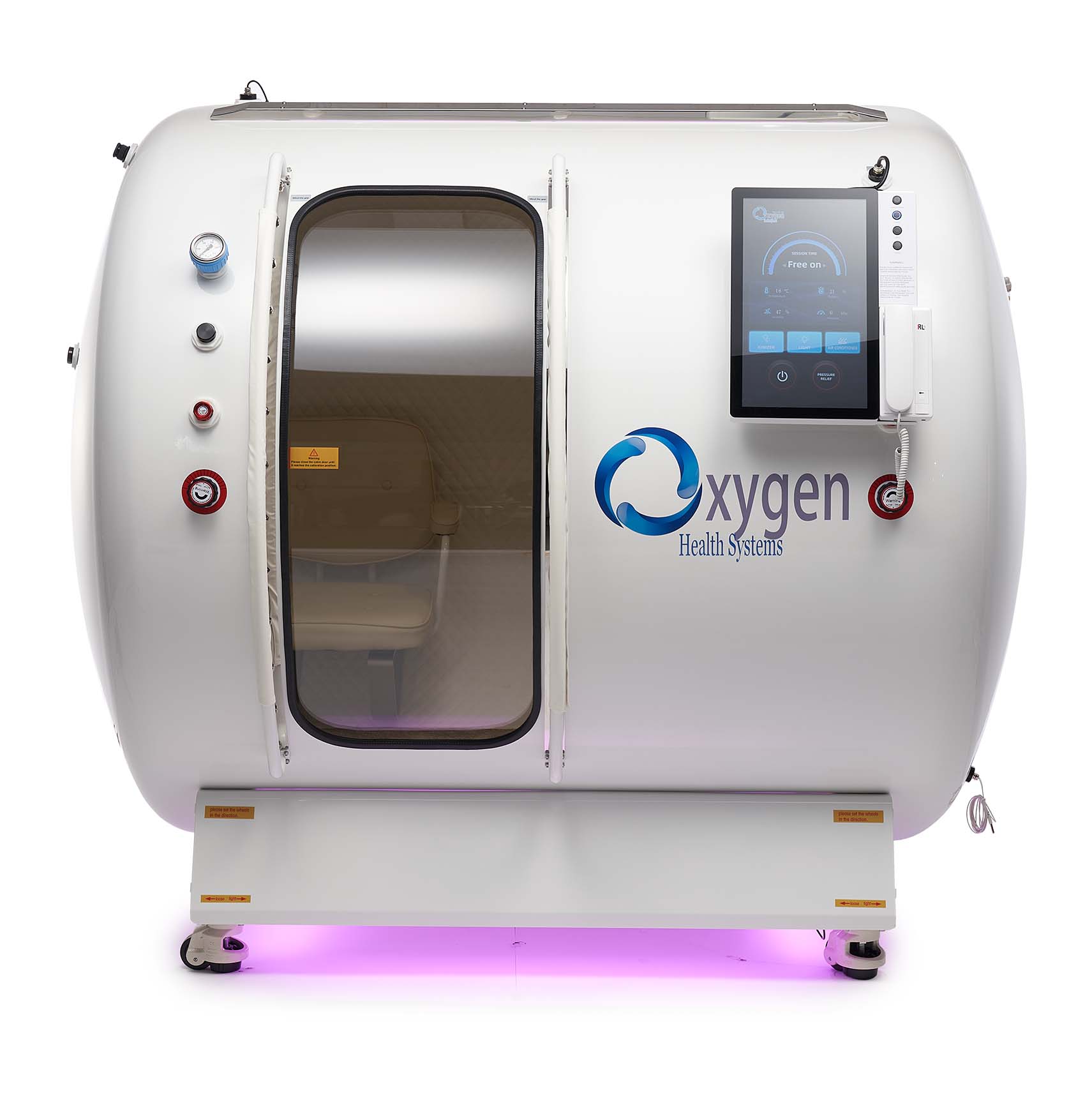
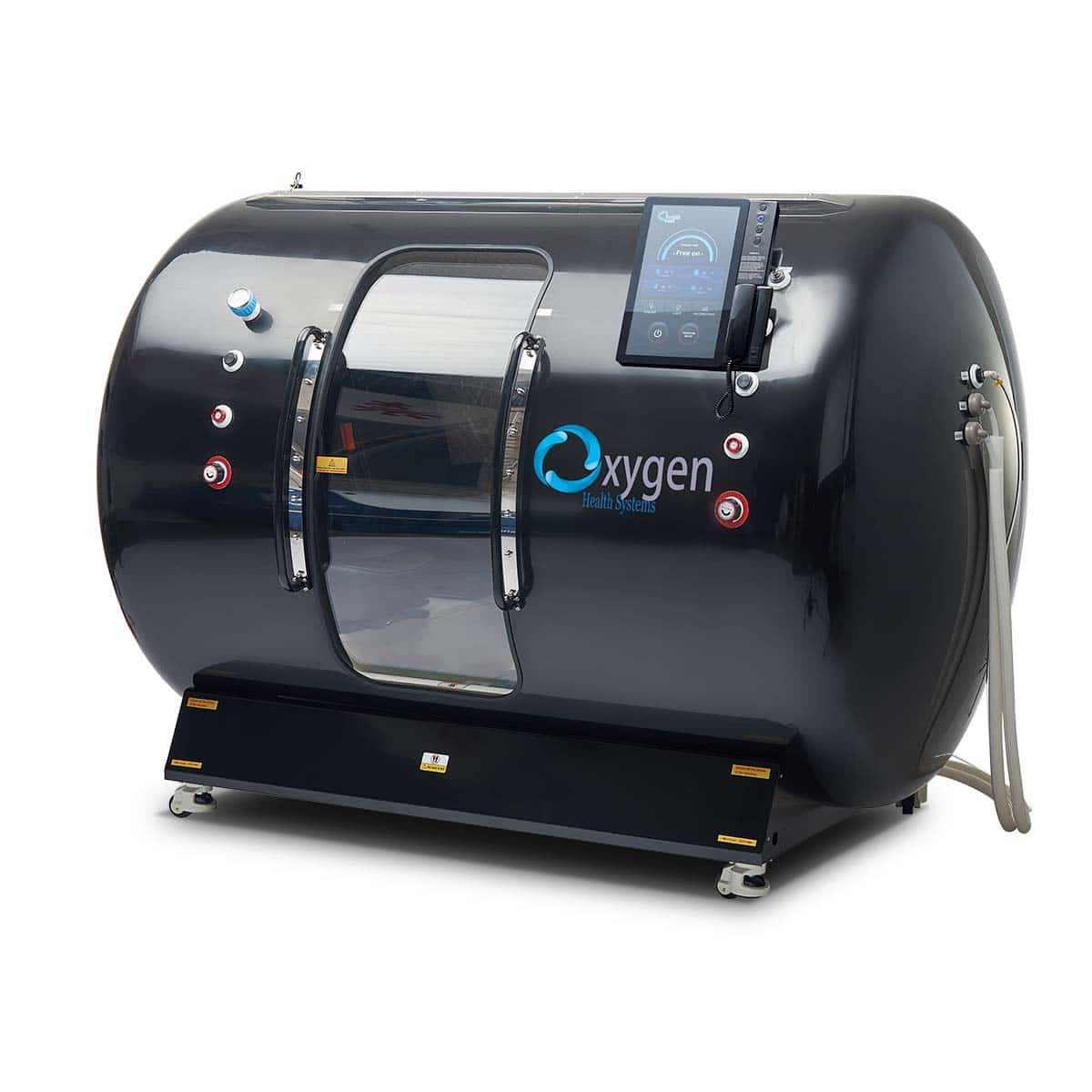
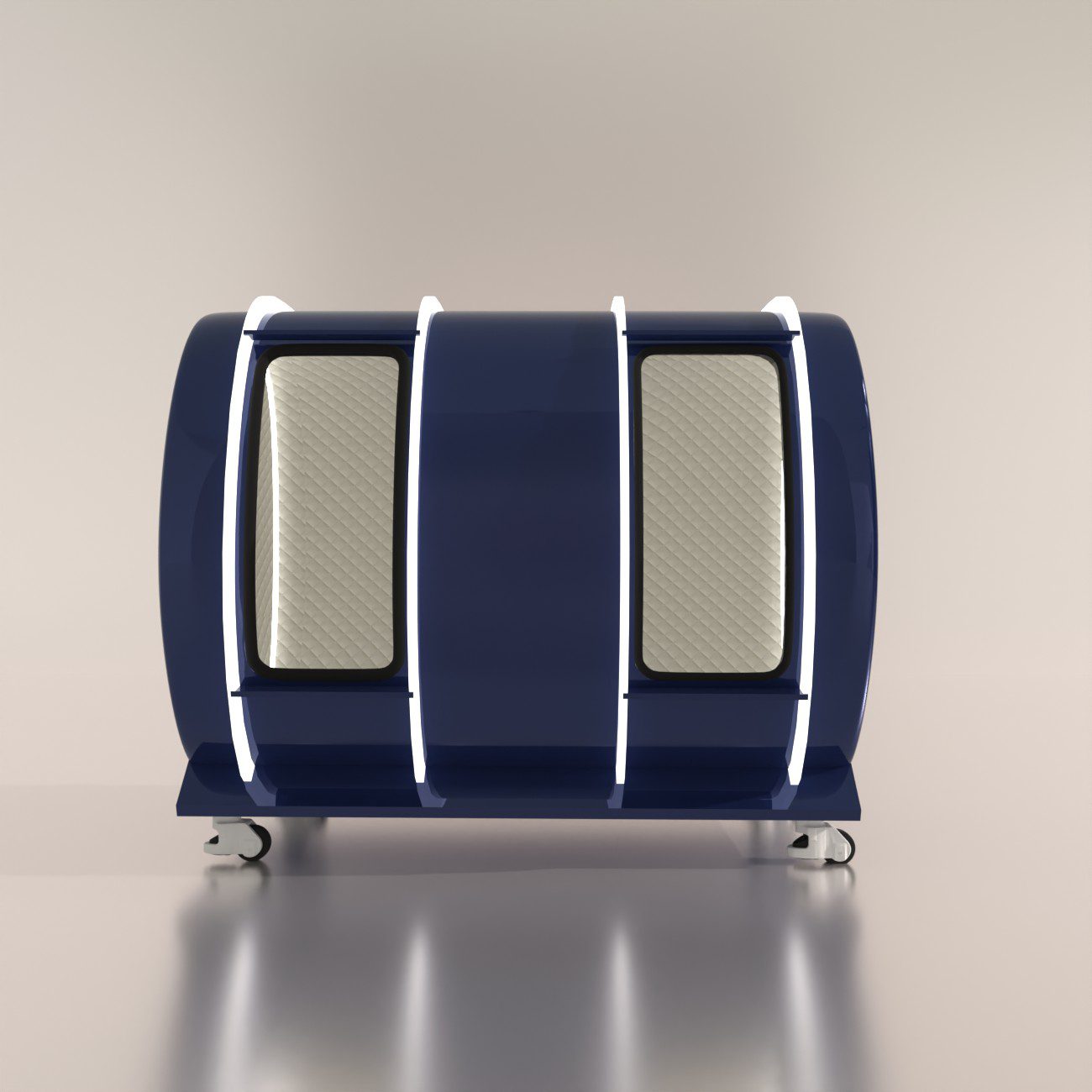
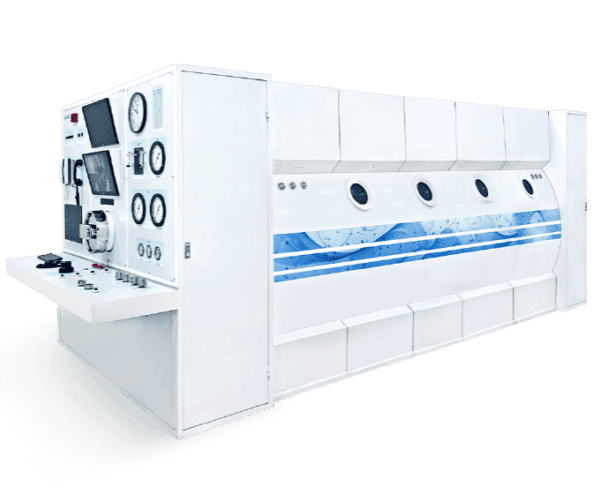
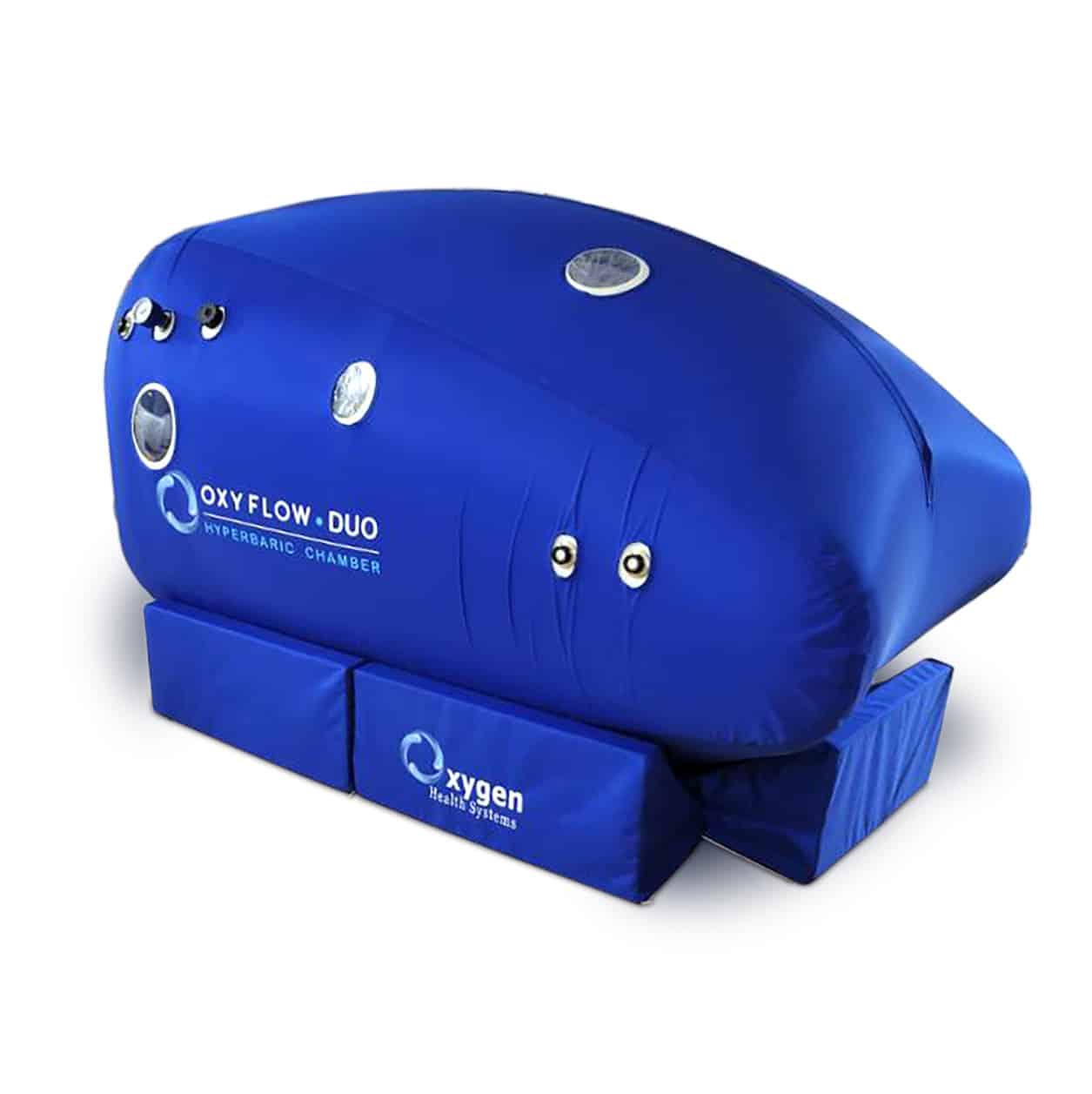
Useful visuals might include chamber photographs, labeled diagrams, pressure illustrations, equipment controls, or simplified explanations of how a session is structured. Avoid graphics that visually imply guaranteed internal changes when those effects cannot be directly shown.
Meaningful images should include concise alternative text for people using screen readers. Alt text should describe what the image communicates rather than repeat keywords. Decorative imagery should not create unnecessary noise for assistive technology.
Benefits of Hyper Oxygen Therapy pages should meet Core Web Vitals expectations in 2026.
Large chamber photographs, autoplay videos, animated backgrounds, and third-party widgets can make an educational page slow or unstable. Core Web Vitals provide a practical framework for evaluating loading speed, responsiveness, and visual stability.
The subject may require a detailed article, but the page should still feel fast and easy to use. Compress images, reserve space for media, reduce unnecessary scripts, and test important pages on slower mobile connections.
- Resize large photos before uploading them.
- Use efficient image formats when appropriate.
- Reserve width and height for media to reduce layout shifts.
- Limit heavy scripts that are not necessary for the article.
- Keep important information available without requiring interactive effects.
Benefits of Hyper Oxygen Therapy content should follow a mobile-first layout strategy.
Many readers research wellness technology from phones. A mobile-first page should use comfortable text sizes, short paragraphs, clear spacing, and touch-friendly navigation. Important information should not require zooming or horizontal scrolling.
Long tables can be especially difficult on small screens, so publishers should use simple lists or clearly organized sections when possible. Navigation should also make it easy to return to related resources or contact information.
Benefits of Hyper Oxygen Therapy pages can use schema markup when it matches visible information.
Structured data can help search systems understand whether a page is an article, organization page, service page, breadcrumb trail, or another supported content type. The markup should match what readers can actually see.
These claims do not become more credible because schema is present. Structured data supports organization, while trust still depends on accurate writing, transparent sourcing, clear authorship, and responsible interpretation.
Benefits of Hyper Oxygen Therapy content should show quality through authorship, sourcing, and update information.
Readers should be able to see who wrote or reviewed the article, when it was published, and when it was last updated. Technical claims should point to reliable sources whenever practical, especially when discussing pressure, oxygen delivery, joint-related research, or bone-related research.
High-quality content also explains limitations. If evidence is preliminary, say so. If results vary between study designs, explain that. If a chamber specification depends on the model, avoid presenting one figure as universal.
Benefits of Hyper Oxygen Therapy articles should be accessible to readers using different devices and assistive technologies.
Accessibility includes readable contrast, semantic headings, descriptive links, keyboard-friendly navigation, visible focus indicators, understandable language, and properly labeled forms. Videos should include captions or transcripts when practical.
Diagrams should not depend only on color to communicate meaning. If an illustration compares pressure levels or chamber components, explanatory text should provide the same essential information for readers who cannot fully interpret the image.
Benefits of Hyper Oxygen Therapy discussions should avoid common publishing mistakes that reduce trust.
One common mistake is writing as though every chamber, pressure level, and session protocol is equivalent. Another is turning a technical mechanism into a guaranteed personal outcome. Both approaches oversimplify the subject.
- Do not promise that a chamber will strengthen joints or bones.
- Avoid treating personal testimonials as proof.
- Do not compare chamber specifications without context.
- Avoid quoting studies without explaining what type of research they represent.
- Do not hide important limitations in fine print or unrelated pages.
- Avoid keyword stuffing in headings, alt text, or internal links.
- Do not neglect mobile performance or accessibility.
Another mistake is allowing promotional language to dominate the page. Readers benefit more from practical explanations, definitions, comparisons, and source context than from repeated sales messages.
Benefits of Hyper Oxygen Therapy are best explored through careful evidence, clear explanations, and responsible expectations.
Pressurized oxygen technology can be explained without exaggeration. Readers can learn how chambers operate, why pressure and oxygen delivery matter, how different devices vary, and why research claims need context.
The Benefits of Hyper Oxygen Therapy should never be presented as an automatic promise of stronger bones, healthier joints, or faster recovery. Those ideas require evidence appropriate to the specific claim, and individual outcomes cannot be assumed from a general mechanism.
In 2026, the most useful educational pages combine balanced explanations with strong digital publishing practices. Accurate titles, concise meta descriptions, logical headings, internal links, meaningful alt text, Core Web Vitals, appropriate schema, transparent sourcing, mobile-first design, and accessibility can make complex information easier for U.S. readers to evaluate.
When the Benefits of Hyper Oxygen Therapy are discussed with clear limits and evidence-aware language, readers are better equipped to separate technical facts from marketing. That approach creates a more credible resource and supports informed questions without making promises that the available information cannot justify.



0 Comments