


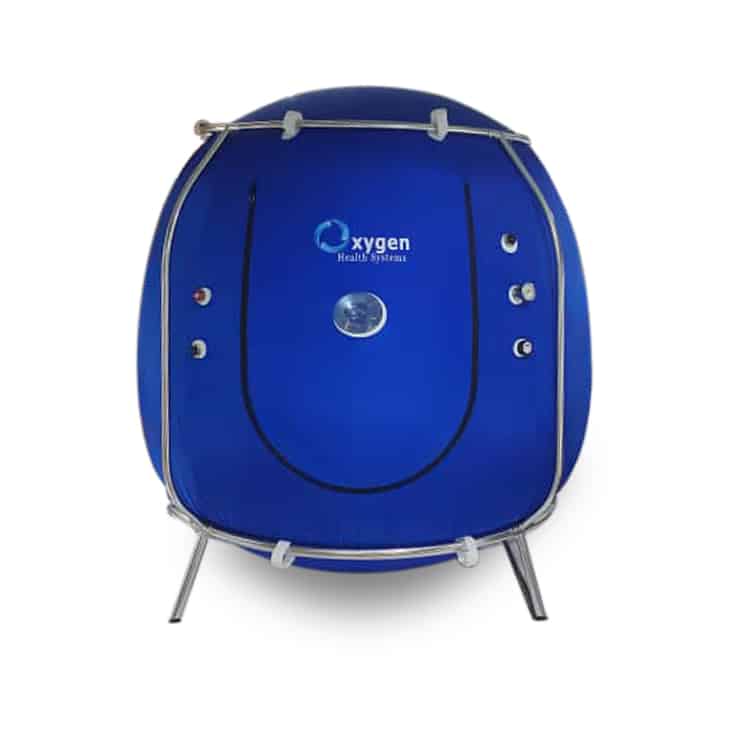

Interest in oxygen-based wellness has grown as people look for ways to support focus, recovery, and healthy aging. Hyper Oxygen Therapy for Brain Health is often discussed in connection with oxygen delivery and brain function, but it should not be presented as a guaranteed way to improve memory, repair neural pathways, or treat neurological conditions. A more responsible approach is to understand what hyperbaric environments do, how the brain uses oxygen, and why sleep, movement, nutrition, stress management, and professional guidance still matter.
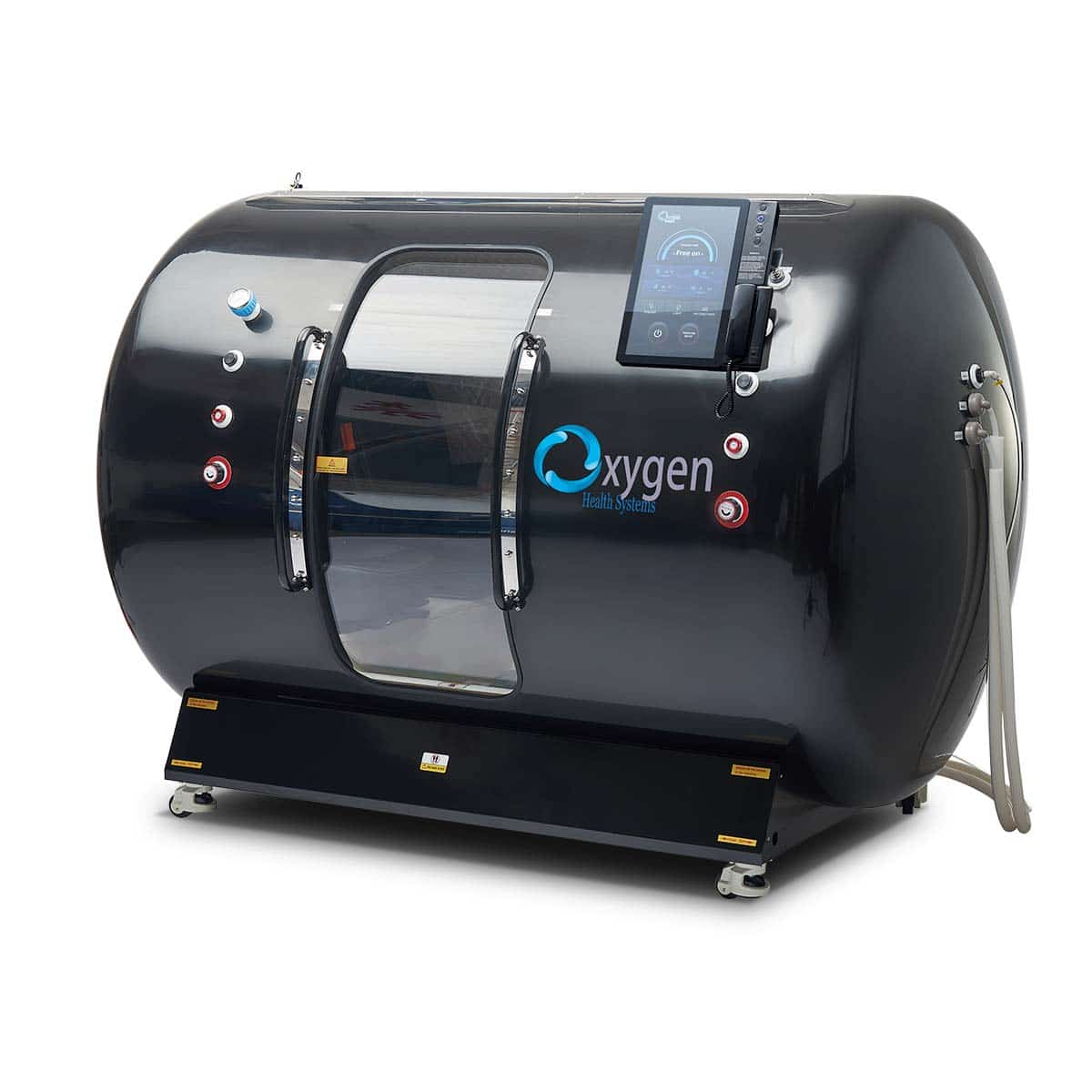
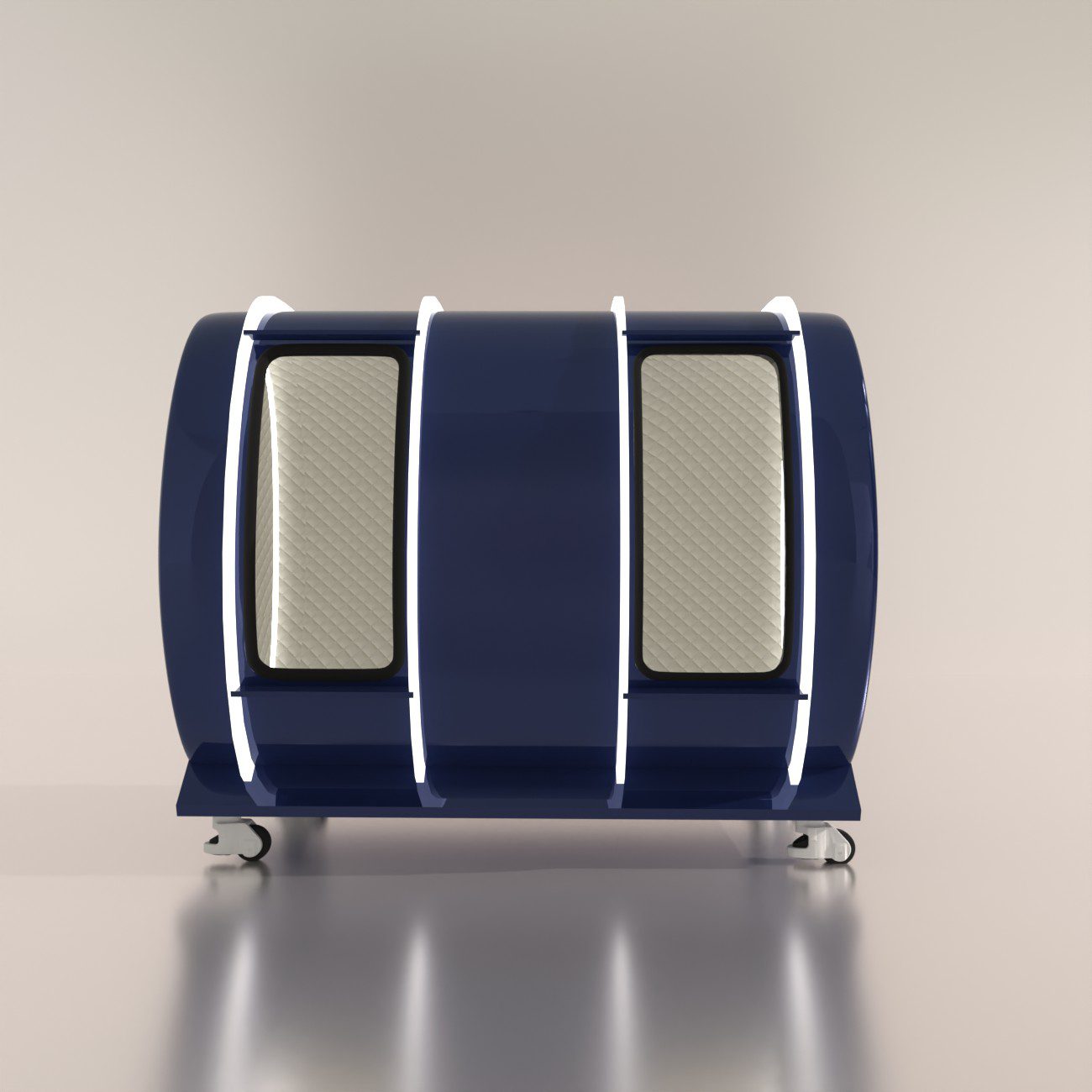
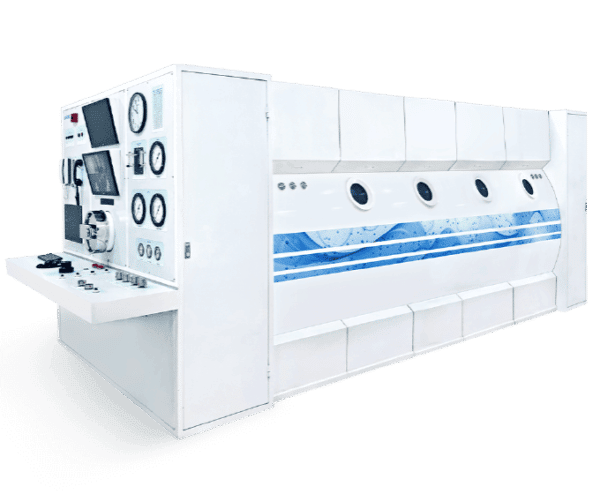
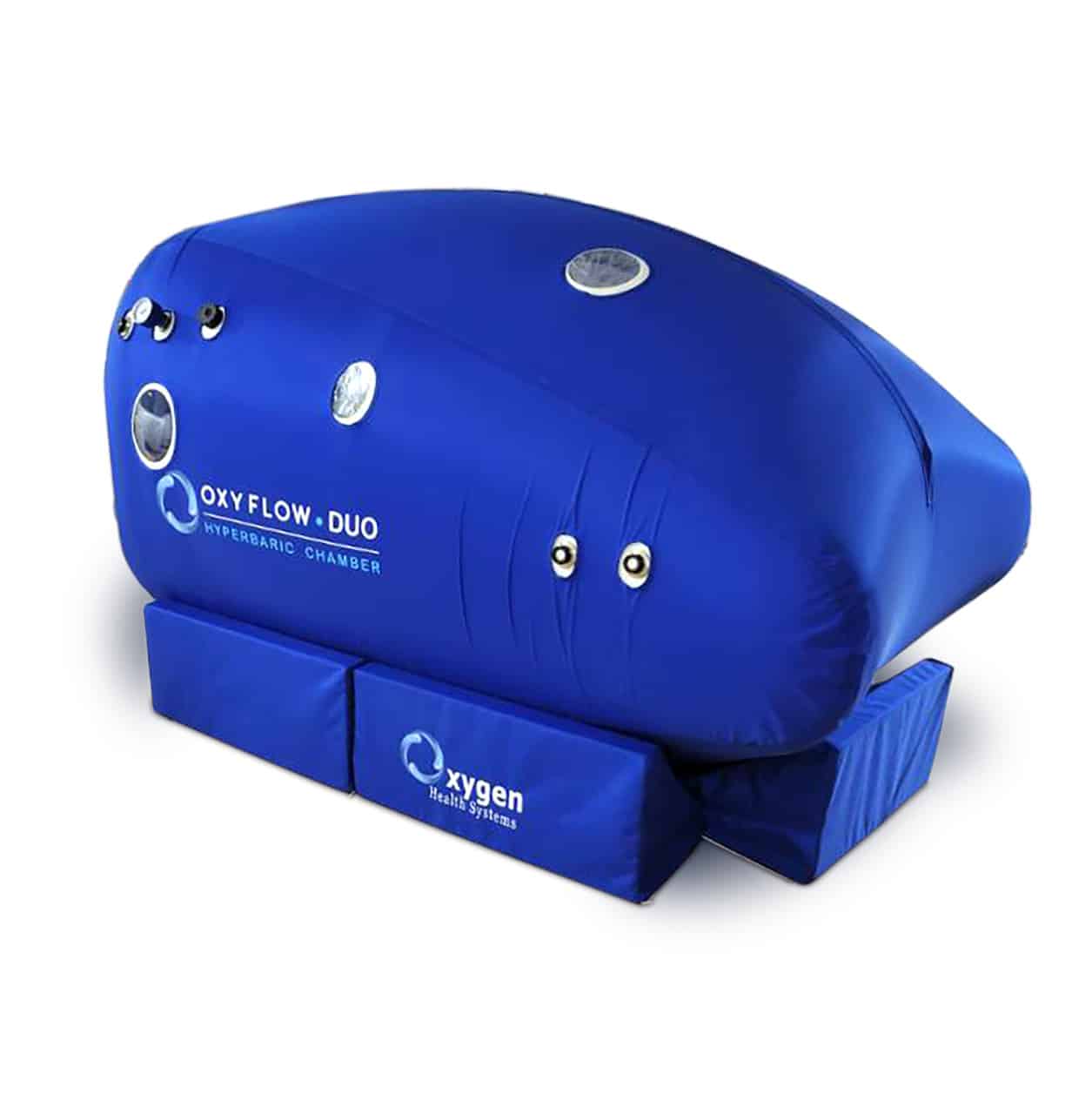
The brain has a high demand for energy and relies on a steady supply of oxygen and nutrients. In a hyperbaric chamber, pressure above normal atmospheric levels can change how oxygen is carried in the blood and dissolved in plasma. That physiological change is real, but it does not mean every person will experience a measurable cognitive benefit. Outcomes depend on the reason for use, the pressure protocol, session conditions, individual health, and many other factors.
Hyper Oxygen Therapy for Brain Health Should Begin With Understanding Oxygen Delivery.
Oxygen normally travels through the bloodstream mainly attached to hemoglobin. Under increased atmospheric pressure, more oxygen can also dissolve into the plasma. This is one reason hyperbaric environments are scientifically interesting.
However, increased oxygen availability should not be simplified into the claim that more oxygen always means better brain performance. The body regulates blood flow, metabolism, and oxygen use in complex ways. The safest interpretation is that hyperbaric exposure changes oxygen delivery conditions, while the practical significance depends on the individual situation.
Hyper Oxygen Therapy for Brain Health Should Be Viewed as a Structured Intervention, Not a Quick Boost.
People sometimes expect to feel sharper, more energetic, or mentally refreshed immediately after a session. Some may notice subjective changes, while others may notice little or nothing. Short-term feelings do not by themselves prove that brain activity or neural connectivity has changed.
For this reason, a structured plan is more useful than chasing sensations. If a chamber is being used under professional supervision, the purpose, session schedule, pressure range, and follow-up should be clearly defined instead of being adjusted randomly based on how someone feels that day.
Hyper Oxygen Therapy for Brain Health Should Keep Expectations About Neuroplasticity Realistic.
Neuroplasticity describes the brain’s ability to change connections and adapt with learning, experience, and practice. Sleep, physical activity, education, rehabilitation, and repeated skill use can all influence this process.
Hyperbaric exposure is sometimes discussed alongside neuroplasticity research, but it should not be described as automatically creating new neural pathways. Meaningful brain adaptation usually involves repeated experience and activity, not one passive intervention by itself.
Hyper Oxygen Therapy for Brain Health Works Best When Safety Screening Comes First.
Before using a hyperbaric chamber, relevant health history should be reviewed by an appropriate professional. Ear or sinus problems, recent illness, lung concerns, medications, implanted devices, and other factors may affect whether a particular chamber protocol is suitable.
A chamber is specialized pressure equipment, so the operator should also understand fire prevention, compression and decompression procedures, communication systems, emergency procedures, and equipment maintenance. Wellness interest should never replace technical safety.
Hyper Oxygen Therapy for Brain Health Requires Careful Ear and Sinus Pressure Management.
Pressure changes can make the ears feel similar to airplane descent. Swallowing, yawning, or another equalization method taught by the supervising professional may help many users adjust comfortably.
Significant ear pain should not be ignored. If equalization is difficult, the user should communicate with the operator so pressurization can be slowed or paused according to the facility’s procedure.
Hyper Oxygen Therapy for Brain Health Should Include Strict Fire-Safety Practices.
Hyperbaric environments require careful control of ignition sources and materials. Smoking products, lighters, matches, unauthorized electronics, and unapproved personal-care items should not enter the chamber.
Facilities may also have specific requirements for clothing, bedding, skin products, and electrical equipment. These rules are not optional details; they are fundamental parts of chamber safety.
Hyper Oxygen Therapy for Brain Health Should Be Combined With Consistent Sleep Habits.
Sleep is one of the strongest everyday foundations for attention, learning, memory, and daytime performance. A person who is chronically sleep deprived may struggle with concentration regardless of what wellness technology is added.
Hyper Oxygen Therapy for Brain Health should therefore remain secondary to a reliable sleep schedule. Consistent bedtimes, reduced late-night stimulation, sensible caffeine use, and a comfortable bedroom can support brain function in ways that are easier to maintain every day.
Hyper Oxygen Therapy for Brain Health Should Not Replace Evaluation of Persistent Fatigue or Brain Fog.
Low energy, concentration problems, forgetfulness, or a sense of mental fog can have many possible causes. Sleep loss, stress, medication effects, nutritional issues, mood changes, and other health concerns can all contribute.
Using repeated chamber sessions without understanding persistent symptoms may delay a more useful evaluation. When cognitive or energy changes are new, severe, or worsening, professional assessment is more appropriate than assuming additional oxygen exposure will solve the problem.
Hyper Oxygen Therapy for Brain Health Should Be Paired With Regular Physical Activity.
Exercise supports cardiovascular fitness, mobility, sleep quality, and many processes related to everyday brain function. Walking, resistance training, cycling, swimming, and other suitable activities can be adapted to age and ability.
Movement also provides the brain with repeated challenges involving coordination, balance, decision-making, and learning. A chamber session cannot replace those active experiences.
Hyper Oxygen Therapy for Brain Health Can Fit Around Exercise Without Replacing Recovery.
Some people prefer chamber sessions on easier training days or after workouts, but timing should be based on comfort and the supervised plan rather than claims of instant recovery.
Food, hydration, rest days, and sleep remain central to recovery. More sessions are not a substitute for reducing an excessive training load.
Hyper Oxygen Therapy for Brain Health Should Be Supported by Balanced Nutrition.
The brain requires a steady supply of energy and nutrients. Balanced meals can include vegetables or fruit, protein foods, whole grains or other carbohydrates, and suitable fats.
Fish, eggs, beans, leafy vegetables, berries, nuts, seeds, and whole grains can all fit into an overall eating pattern. No single food, supplement, or oxygen session should be expected to create a dramatic cognitive transformation.
Hyper Oxygen Therapy for Brain Health Should Keep Hydration Practical Rather Than Extreme.
Water supports circulation and normal body function, but excessive drinking does not increase the value of a chamber session. Fluid needs depend on activity, temperature, body size, medications, and individual health circumstances.
A sensible routine is to arrive reasonably hydrated according to facility instructions and continue normal fluid intake afterward. People with medically directed fluid restrictions should follow their individualized plan.
Hyper Oxygen Therapy for Brain Health Should Include Mental Activity and Learning.
If the goal is to support cognitive wellness, everyday brain use matters. Reading, learning a language, practicing music, solving problems, social interaction, and developing new skills all challenge the brain in ways that passive technologies cannot duplicate.
Repeated practice is especially important when someone wants to improve a specific ability. A person who wants better memory, for example, benefits from practicing organization, recall, attention, and learning strategies rather than relying on one wellness device.
Hyper Oxygen Therapy for Brain Health Can Be Paired With Stress-Management Habits.
Chronic stress can affect concentration, sleep, appetite, and daily decision-making. Short walks, breathing exercises, mindfulness, hobbies, social time, and quiet breaks can help create a more balanced routine.
A chamber session may feel relaxing for some users simply because it creates uninterrupted time away from screens and work. That experience can be valuable without claiming that the chamber directly changes stress chemistry or brain connectivity.
Hyper Oxygen Therapy for Brain Health Should Be Tracked With Meaningful Measures.
If someone wants to know whether a wellness routine is useful, vague impressions alone can be misleading. It may help to track sleep quality, concentration during work, exercise tolerance, mood, or another practical measure relevant to the person’s goals.
Keep the tracking simple and consistent. Changing sleep, diet, supplements, exercise, and chamber protocols all at once makes it difficult to know what influenced the outcome.
Hyper Oxygen Therapy for Brain Health Should Not Be Judged by One Session.
Feeling relaxed, tired, alert, or unchanged after a single session does not establish a neurological effect. Day-to-day variation can come from sleep, caffeine, meals, stress, expectations, and many other influences.
Any structured program should be evaluated over an appropriate period with professional input when needed. This is especially important when the purpose is more than general wellness.
Hyper Oxygen Therapy for Brain Health Should Consider Age Without Assuming Older Means Less Capable.
Brain wellness matters across adulthood, but age alone does not define cognitive function. Older adults vary widely in fitness, learning ability, medical history, medications, and daily activity.
A useful plan considers the whole person. For older adults, mobility, ear-pressure tolerance, medications, implanted devices, and the ability to enter or exit the chamber comfortably may deserve extra attention.
Hyper Oxygen Therapy for Brain Health Should Keep Medication and Device Reviews Current.
Medication lists can change over time, and some people use implanted or attached equipment that requires compatibility review before entering a hyperbaric environment.
Bring an updated list to the supervising professional and report recent changes. Never assume that a device or medication is irrelevant simply because previous sessions were comfortable.
Hyper Oxygen Therapy for Brain Health Should Avoid Common Wellness Myths.
One common myth is that more pressure automatically produces more brain benefit. Another is that oxygen exposure can rapidly create new neural connections. A third is that a chamber can compensate for chronic sleep loss, inactivity, or poor nutrition.
- Do not assume higher pressure means better cognitive results.
- Do not increase session duration without appropriate guidance.
- Do not treat subjective alertness as proof of neural change.
- Do not replace sleep, movement, learning, or balanced meals with chamber sessions.
- Do not ignore ear discomfort or other concerning symptoms.
- Do not bring prohibited electronics, ignition sources, or unapproved materials into a chamber.
Another mistake is using dramatic before-and-after stories as evidence that everyone will respond the same way. Individual experiences can be interesting, but they do not establish predictable results for another person.
Hyper Oxygen Therapy for Brain Health Should Be Part of a Broader Brain-Wellness Plan.
A comprehensive routine is usually less exciting than a single high-tech solution, but it is also more practical. Regular sleep, physical activity, balanced meals, social engagement, learning, hydration, and stress management all contribute to everyday cognitive wellness.
When a hyperbaric program is included, it should have a clear purpose and fit around those basics rather than pushing them aside. The chamber is one tool, not the entire plan.
Hyper Oxygen Therapy for Brain Health Works Best With Safety and Realistic Expectations.
Hyper Oxygen Therapy for Brain Health can be approached as a structured oxygen-based wellness practice, but claims about stimulating brain activity or improving neural connections should remain cautious. Increased oxygen availability under pressure does not guarantee a specific cognitive outcome for every user.
The strongest approach combines safe chamber operation with reliable everyday habits. That means appropriate screening, trained supervision, careful pressure management, strict fire safety, quality sleep, physical activity, balanced nutrition, learning, social connection, and sensible stress management.
Anyone using a chamber should understand the planned protocol and communicate discomfort promptly. Higher pressure, longer sessions, or more frequent use should never be treated as automatic upgrades.
Brain wellness is shaped by many interacting factors. When hyperbaric exposure is treated as one carefully managed component rather than a shortcut, expectations become more realistic and the overall routine becomes safer, clearer, and easier to evaluate.



0 Comments