
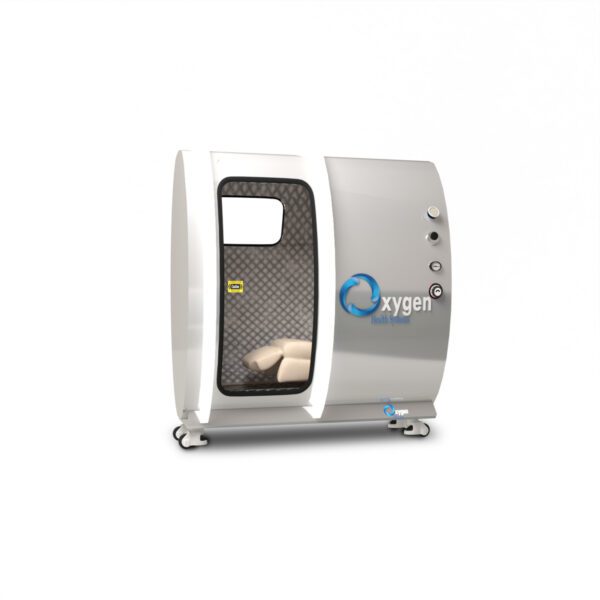
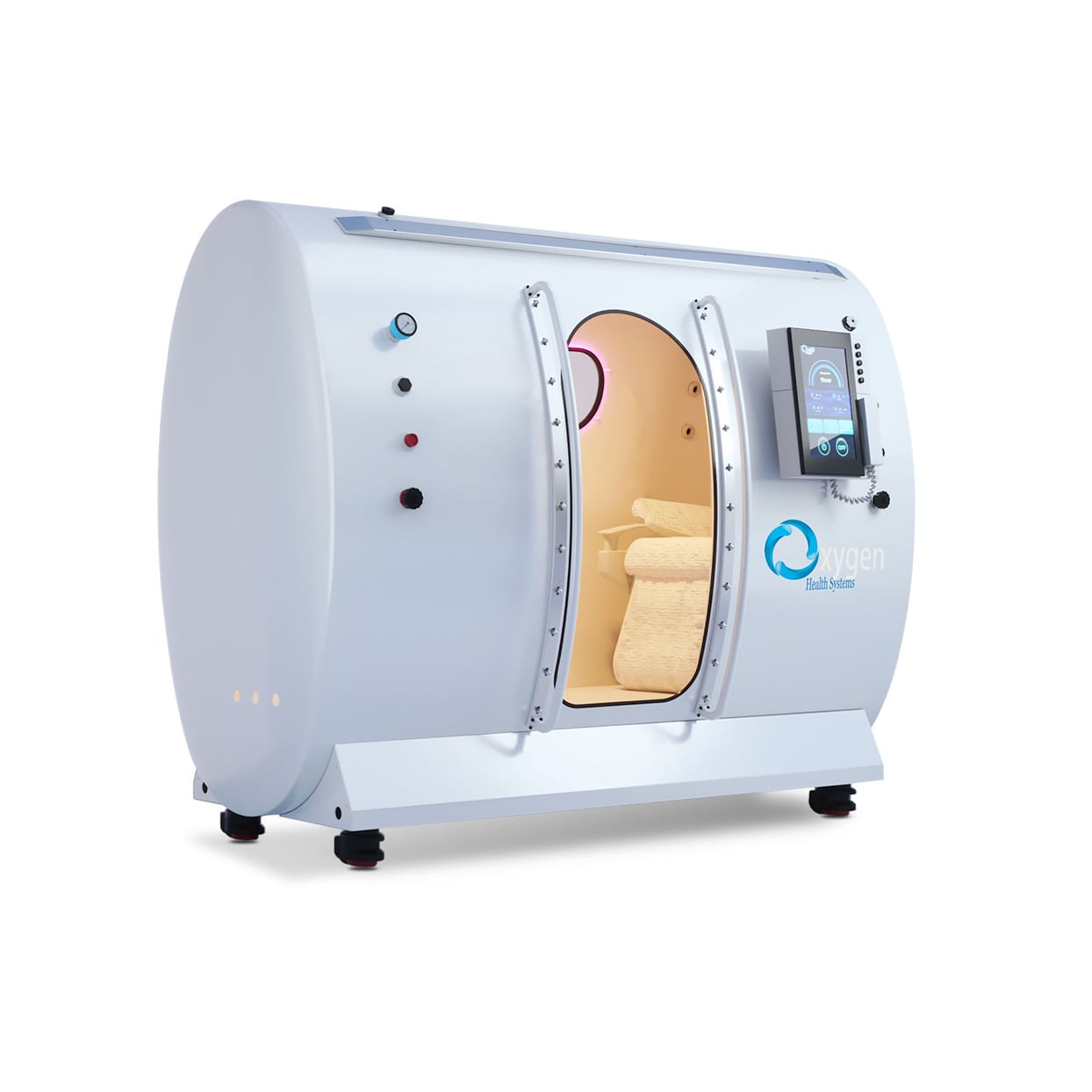

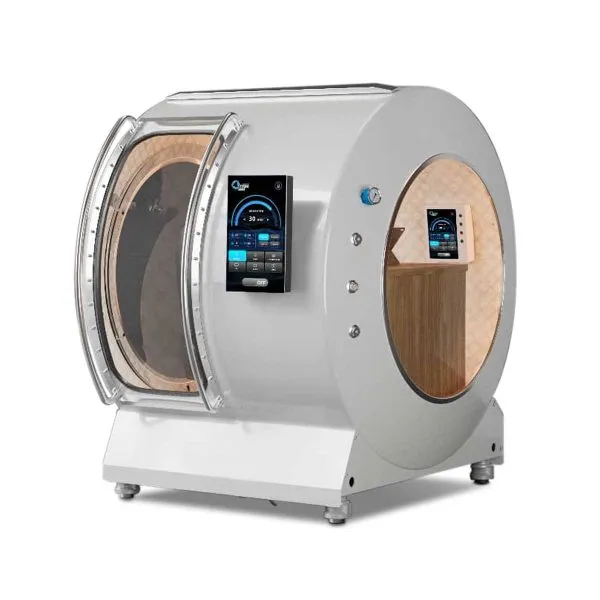
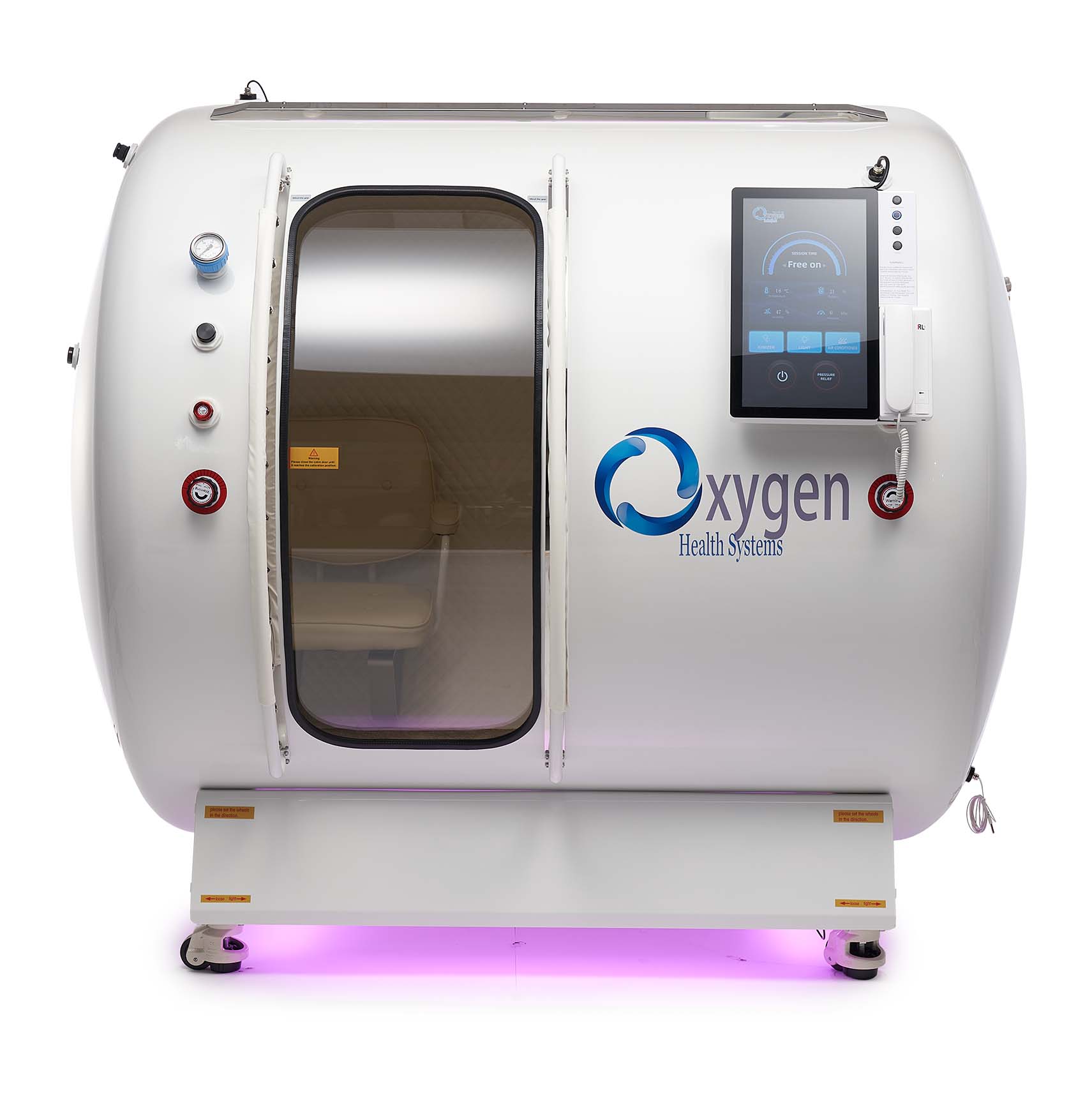

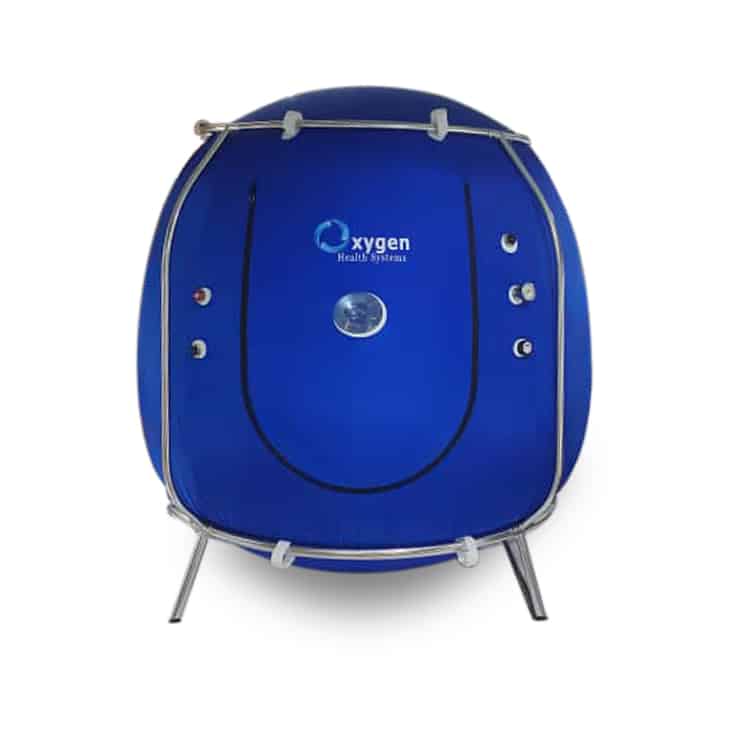

Hyperbaric chambers can differ greatly in construction, operating pressure, interior space, entry style, portability, controls, and maintenance needs. Buyers often compare flexible and rigid designs because each format can fit a different environment. The better choice depends on available space, intended use, budget, support requirements, and the operating procedures supplied by the manufacturer.
<< See Latest Deals >>
Neither chamber type should be judged only by appearance or maximum pressure. A useful comparison looks at the complete system, including compressors, oxygen equipment, cooling, access, serviceability, room requirements, and long-term ownership. Clear documentation and dependable technical support matter just as much as the chamber body itself.
Soft vs. Hard Shell Chambers Differ Most in Construction and Everyday Setup.
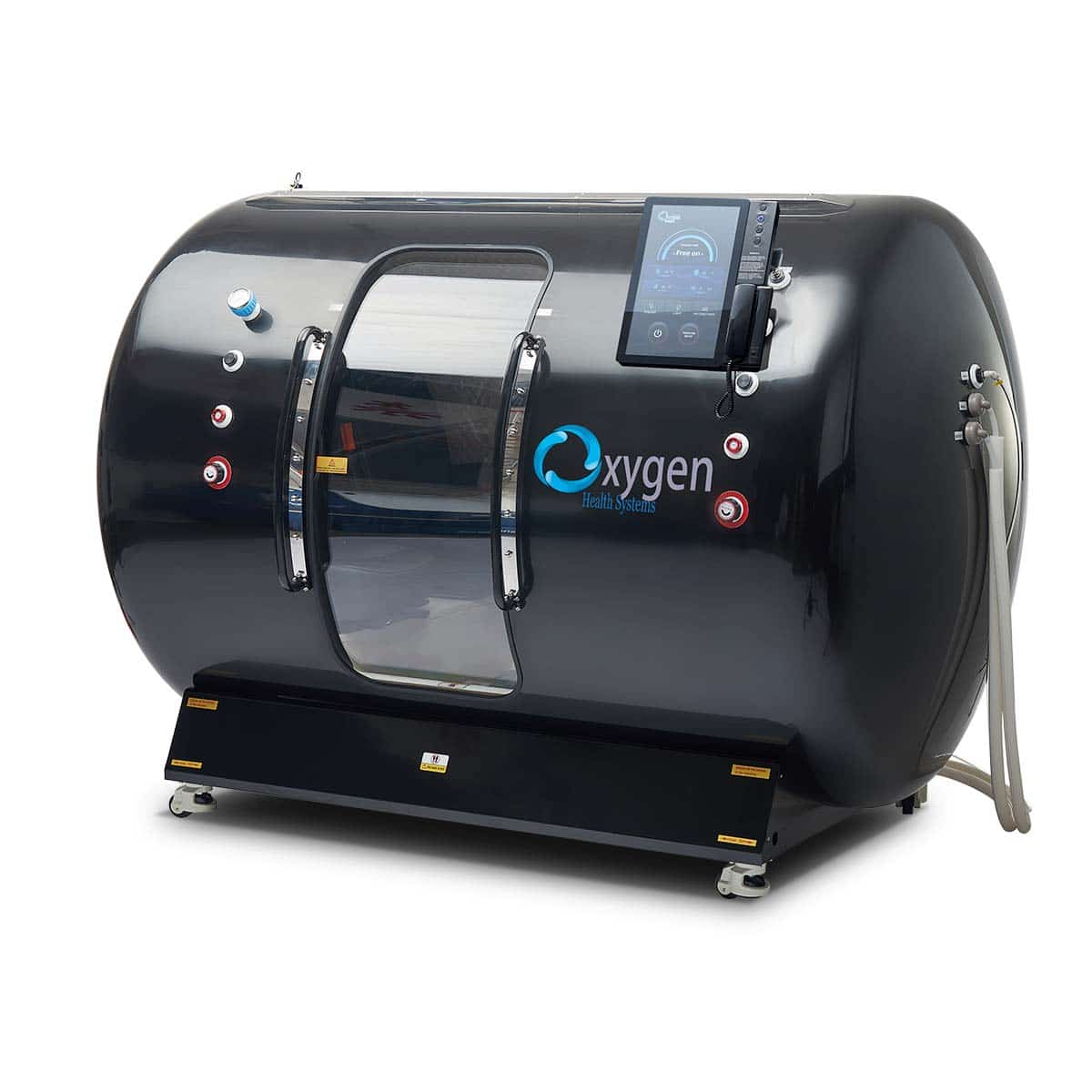
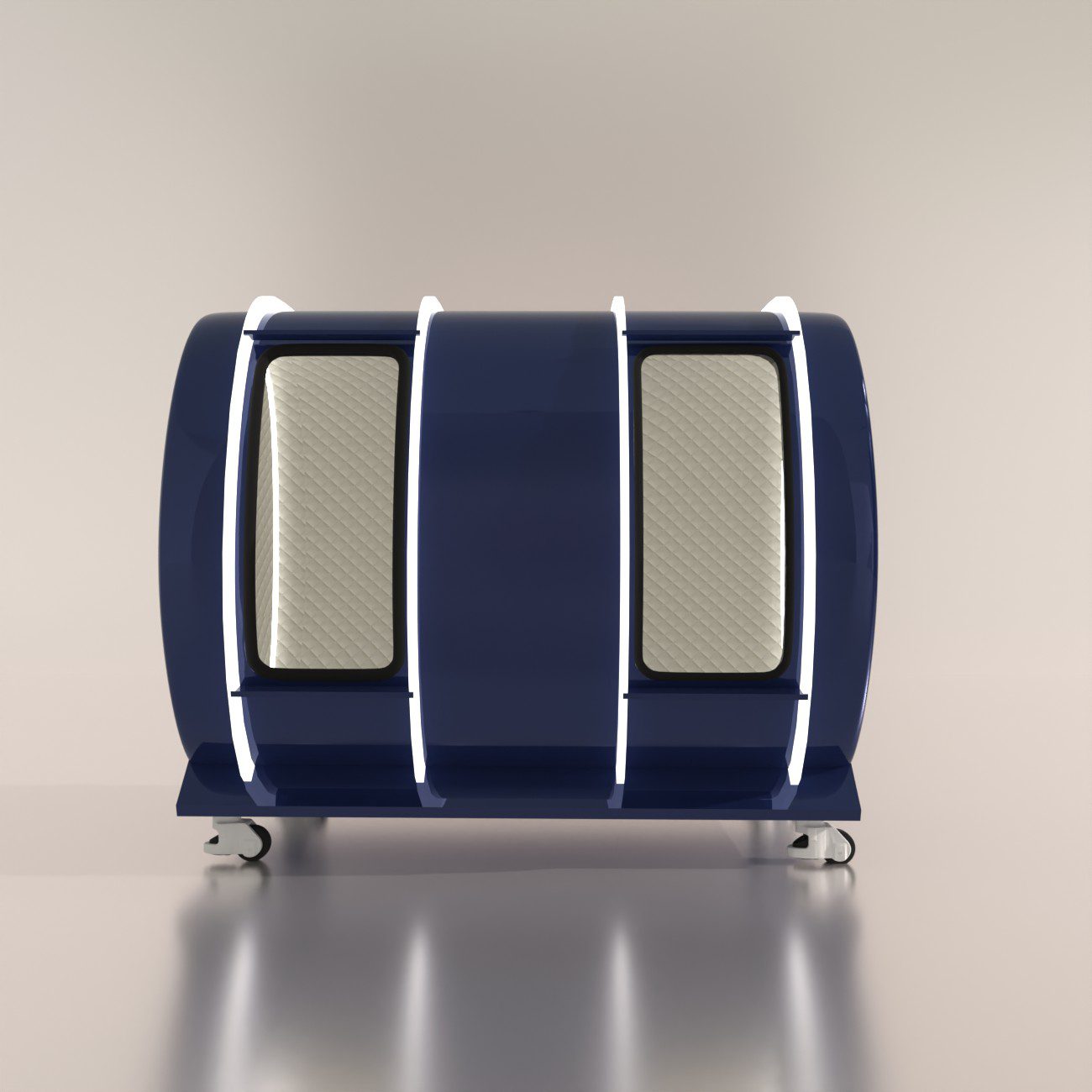
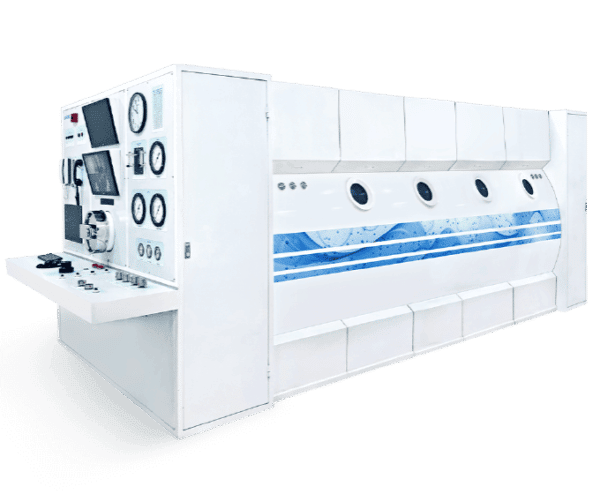
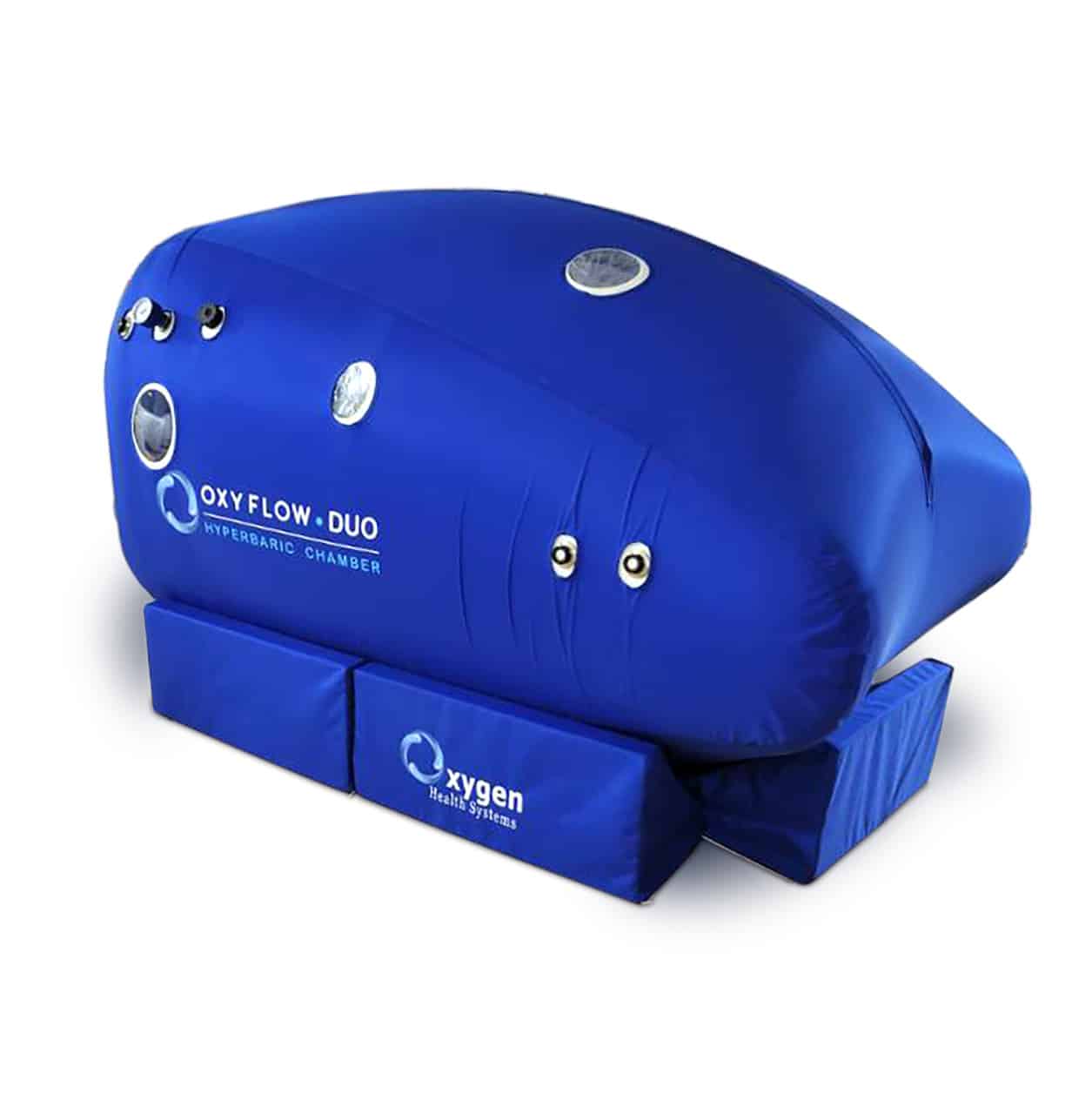
Soft vs. Hard Shell Chambers use very different structural approaches. Flexible chambers typically rely on reinforced fabric-based materials that expand into shape when pressurized, while rigid chambers use a hard enclosure built from metal, acrylic, or other engineered materials designed for pressurized operation.
This difference influences weight, installation, entry design, portability, cleaning, storage, and the overall feel of the chamber. A flexible system may be easier to position in certain rooms, while a rigid system usually feels more permanent and may offer larger viewing windows or more substantial access doors.
- Compare external and internal dimensions before purchase.
- Review the materials used in the chamber body and windows.
- Check whether the structure is intended to stay assembled permanently.
- Confirm how the chamber is entered and exited.
- Ask which components require periodic inspection or replacement.
Soft vs. Hard Shell Chambers Should Be Compared by Rated Pressure, Not Marketing Language.
Soft vs. Hard Shell Chambers can have different rated operating ranges, so pressure specifications deserve careful attention. A higher maximum number does not automatically mean a chamber is the better choice, and the highest setting should never be treated as a general recommendation for use.
Buyers should confirm how pressure is displayed, how quickly the chamber pressurizes and depressurizes, and whether the operator can monitor conditions clearly. The manufacturer’s manual should explain the normal operating range, control sequence, and emergency depressurization procedure in straightforward language.
It is also useful to compare the pressure units shown on the controls. Consistent, readable displays make training easier and reduce confusion when several people operate the equipment.
Soft vs. Hard Shell Chambers Use Different Materials That Affect Durability and Handling.
Soft vs. Hard Shell Chambers respond differently to everyday handling because flexible fabric and rigid structural materials age in different ways. Flexible chambers may require attention to seams, zippers, fabric surfaces, and inflatable supports, while hard chambers may require inspection of doors, seals, windows, valves, hinges, and rigid structural components.
Durability is not determined by category alone. Manufacturing quality, material specifications, operating conditions, cleaning methods, service intervals, and how frequently the chamber is used can all affect long-term performance.
Ask the supplier which parts are considered normal wear items and whether replacements are stocked locally or must be imported. Long lead times for small components can create avoidable downtime.
Soft vs. Hard Shell Chambers Offer Different Interior Space and Room Requirements.
Soft vs. Hard Shell Chambers can feel very different inside even when their outside dimensions appear similar. Flexible models may use cylindrical or oval interiors, while rigid systems may provide wider seating areas, larger windows, or alternative body positions depending on the design.
Measure usable interior length, width, and height rather than relying on product photos. A chamber may look spacious in a wide-angle image but feel much smaller once a mattress, seat, mask, tubing, and accessories are installed.
The surrounding room matters too. Allow space for doors, zippers, hoses, compressors, oxygen concentrators, cooling systems, and maintenance access. Buyers should measure hallways, elevators, stairways, and door openings before delivery.
Soft vs. Hard Shell Chambers Can Create Very Different Entry and Comfort Experiences.
Soft vs. Hard Shell Chambers should be compared from the perspective of the person entering and using the chamber. Some flexible designs require a low entry or zipper opening, while rigid designs may use side doors, sliding systems, or larger framed openings.
Comfort can also depend on windows, interior lighting, airflow, mattress quality, seating position, communication systems, and how easy it is to change position during a session. Taller users or people who dislike enclosed spaces may value interior volume more than portability.
Before purchase, review photographs and exact measurements of the entrance rather than only the chamber exterior. If possible, a demonstration can reveal practical details that specifications alone do not show.
Soft vs. Hard Shell Chambers Require Different Installation and Delivery Planning.
Soft vs. Hard Shell Chambers can involve very different delivery logistics. A flexible chamber may arrive in several manageable packages and be assembled in the destination room, while a large rigid unit may require freight coordination, lifting equipment, doorway planning, or partial assembly on site.
Do not assume that a chamber will fit because the final room is large enough. The delivery path from the building entrance to the installation area can be the limiting factor. Measure every doorway, corridor turn, elevator, stair landing, and ceiling clearance along the route.
- Measure the complete delivery path before ordering.
- Confirm the shipping dimensions of every major component.
- Prepare electrical outlets and ventilation in advance.
- Identify whether professional assembly is required.
- Complete an operating check before routine use begins.
Soft vs. Hard Shell Chambers Need Different Maintenance and Cleaning Routines.
Soft vs. Hard Shell Chambers should be evaluated by how easy they are to inspect, clean, and service over time. Flexible surfaces, zippers, seals, hoses, and supports may require a different maintenance routine from rigid doors, acrylic sections, valves, and mechanical hardware.
Ask which cleaning products are approved for each material. Harsh chemicals or unsuitable solvents can damage chamber surfaces, seals, fabrics, or windows. The maintenance manual should identify routine inspection points and service intervals.
Buyers should also know who performs major repairs. A nearby technician, distributor service team, or manufacturer support network can make ownership much easier than a system that depends on overseas assistance for every issue.
Soft vs. Hard Shell Chambers Should Include a Careful Review of Oxygen Delivery.
Soft vs. Hard Shell Chambers may be supplied with different oxygen-delivery arrangements depending on the model and intended setup. Some systems use concentrators with masks or hoods, while others may be configured around different delivery equipment.
Ask the supplier to identify every included component and every optional component. The list should clearly show compressors, concentrators, tubing, masks, communication equipment, cooling systems, filters, and connectors so there are no surprises after delivery.
Oxygen-related equipment should always be operated according to the manufacturer’s instructions. Smoking, open flames, and unapproved ignition sources should be kept away from the chamber environment, and electrical accessories should be used only when approved for that system.
Soft vs. Hard Shell Chambers Can Differ Greatly in Controls and Operator Experience.
Soft vs. Hard Shell Chambers may use simple gauges and manual valves, digital touch displays, internal controls, external consoles, or combinations of these features. More controls do not automatically make a system better; clarity and reliability are more important than complexity.
Operators should be able to identify pressure, timing, communication, airflow, and depressurization controls quickly. Labels should be readable, displays should be understandable, and the manual should match the actual control panel supplied with the chamber.
If the occupant has access to internal controls, confirm exactly what can be adjusted from inside. It is also worth asking how the chamber behaves during a power interruption and which functions continue to operate without electricity.
Soft vs. Hard Shell Chambers Should Be Compared by Total Ownership Cost.
Soft vs. Hard Shell Chambers can have very different costs after the initial purchase. Freight, installation, electrical work, oxygen equipment, cooling, replacement filters, seals, hoses, service visits, and spare parts can all influence the real ownership budget.
A lower purchase price may not remain lower if replacement components are difficult to obtain or if technical support requires international shipping. At the same time, a premium rigid chamber may include capacity or features that are unnecessary for a smaller home or wellness environment.
Ask for a written list of expected consumables and common replacement parts. Knowing approximate service intervals can make long-term budgeting more realistic.
Soft vs. Hard Shell Chambers Should Match the Intended Home or Professional Setting.
Soft vs. Hard Shell Chambers may suit different spaces and operating schedules. A home buyer may place greater value on compact dimensions, simple controls, lower noise, and easier relocation. A professional facility may prioritize durability, larger access, repeatable operation, staff controls, service support, and higher daily utilization.
Room appearance can also matter in commercial environments. A rigid chamber may integrate naturally into a permanent treatment or wellness room, while a flexible model may be more practical where space must serve several functions.
The better choice is the one that fits the actual workflow. Buying more chamber than the environment needs can increase cost and complexity without improving the ownership experience.
Soft vs. Hard Shell Chambers Make Sense When Buyers Compare the Complete System.
Soft vs. Hard Shell Chambers each offer practical advantages and tradeoffs. Flexible systems may appeal to buyers who value lighter construction, simpler placement, and a less permanent installation, while rigid systems may appeal to those who prioritize solid construction, larger windows, different access designs, or a more permanent setup.
The decision should include rated pressure, dimensions, entry style, comfort, oxygen equipment, controls, electrical needs, room ventilation, noise, cleaning, maintenance, training, warranty, and parts availability. No single specification can replace that broader comparison.
Before placing an order, request current manuals, detailed specifications, installation requirements, warranty terms, and a complete list of included accessories. Measure the room and delivery path carefully, ask who will provide service after the sale, and avoid relying on exaggerated performance claims.
A chamber is long-term equipment, so thoughtful comparison is more valuable than buying quickly. When construction, pressure, comfort, support, and ownership costs are considered together, buyers can choose the system that best matches their space and operational needs without assuming that one chamber category is universally superior.



0 Comments