
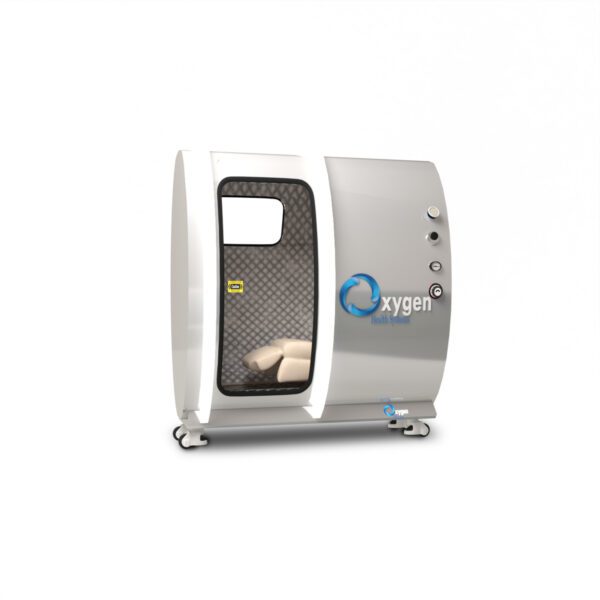
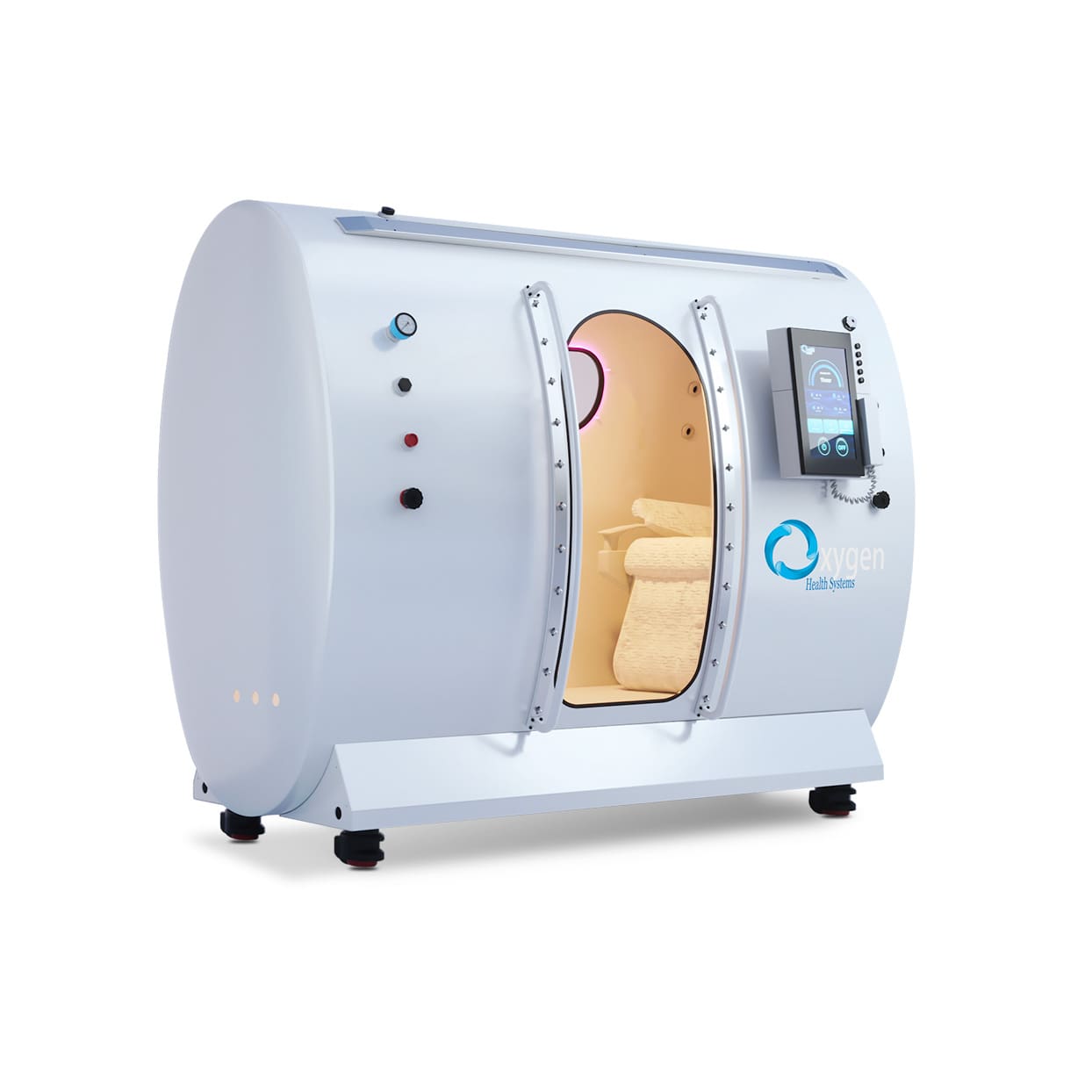

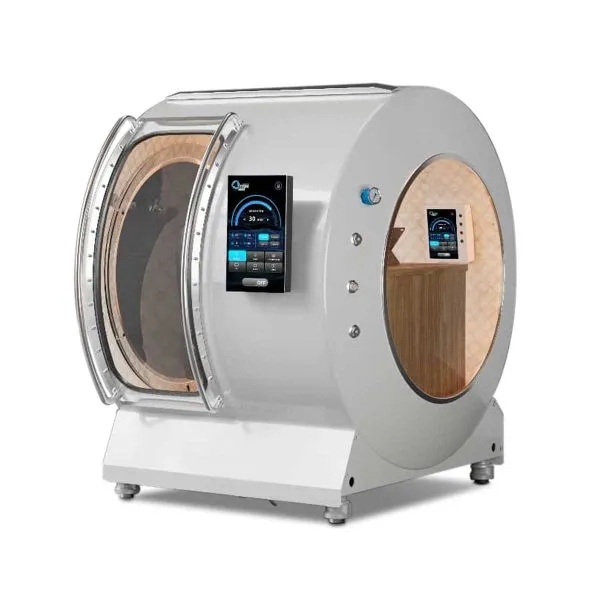
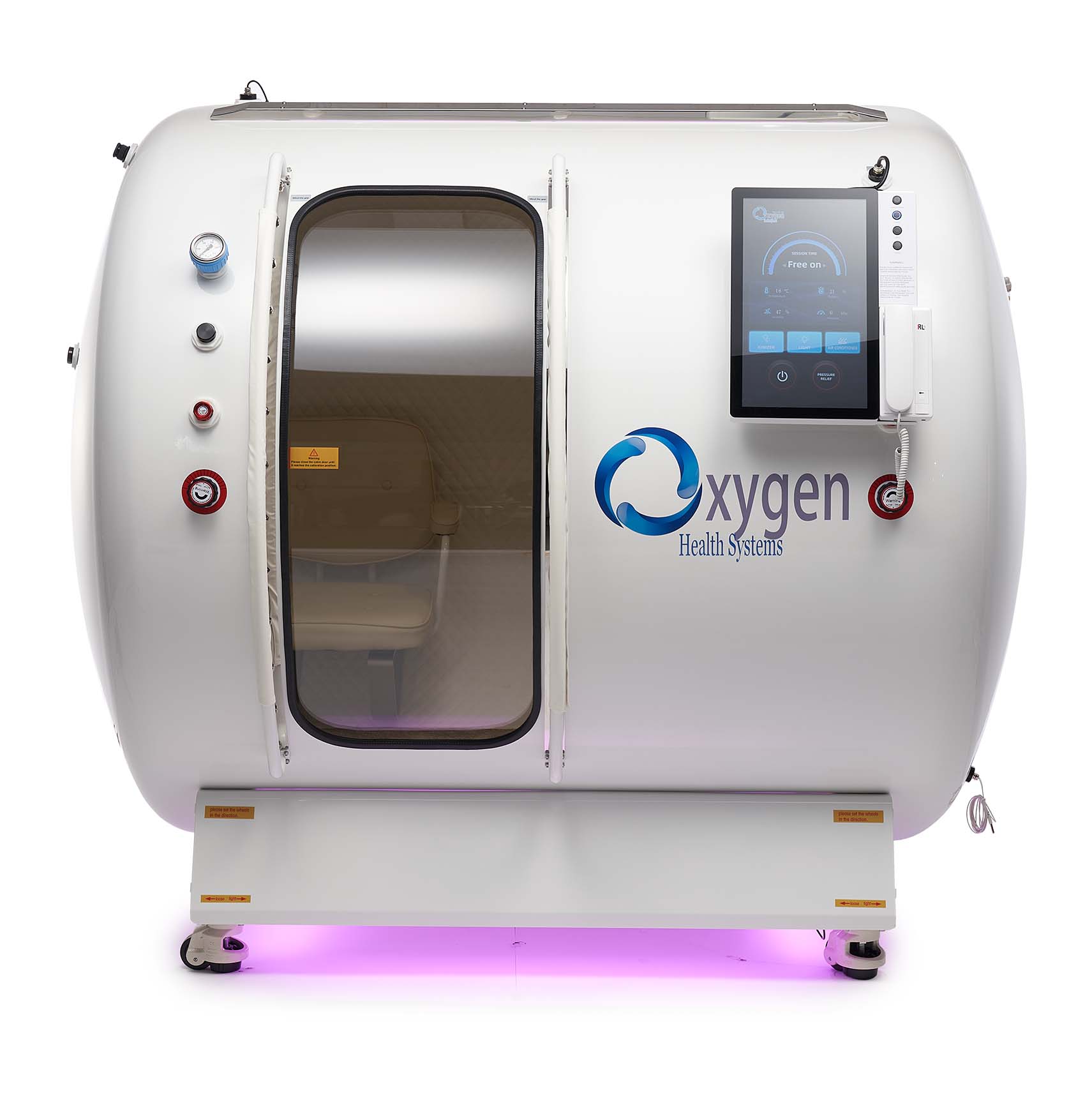
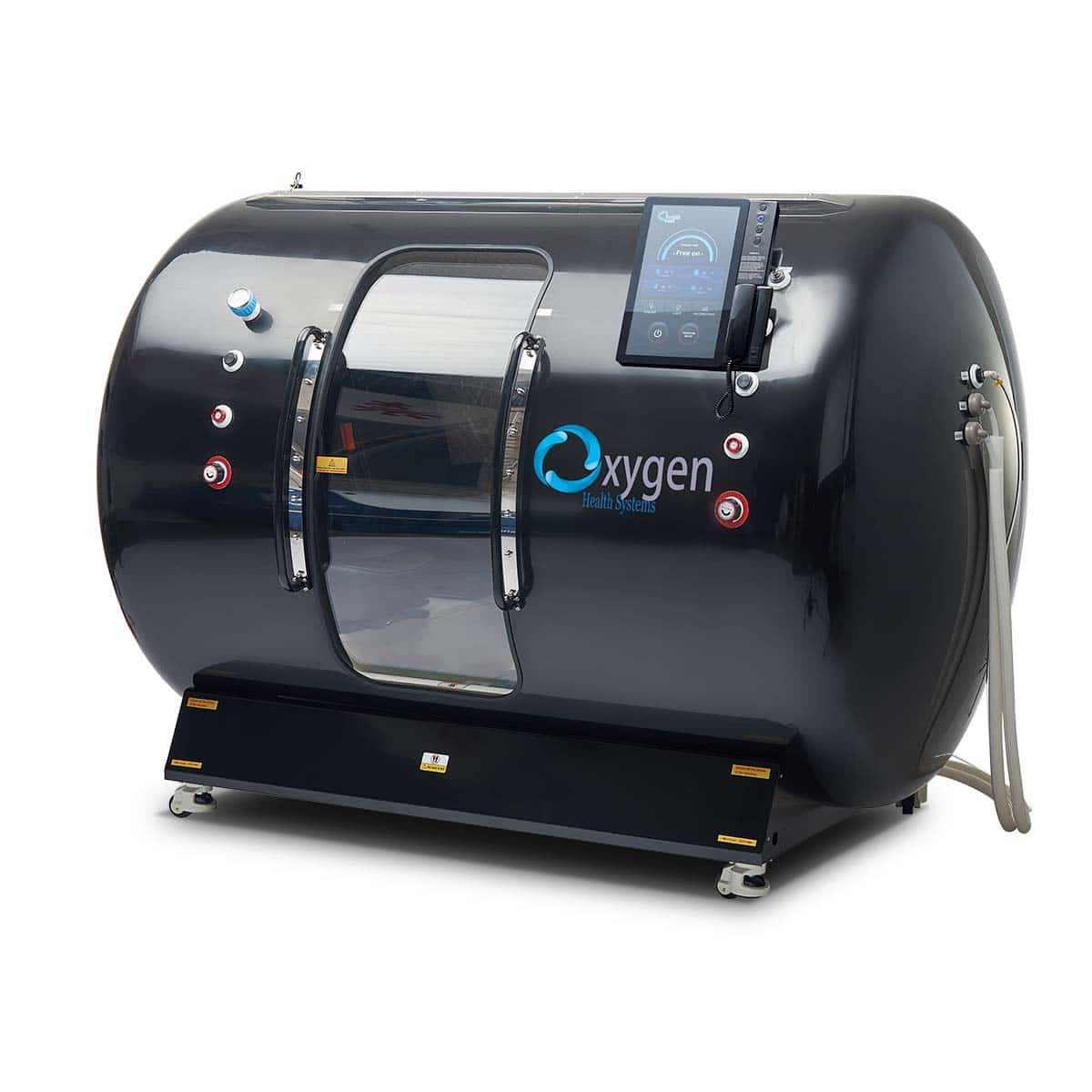

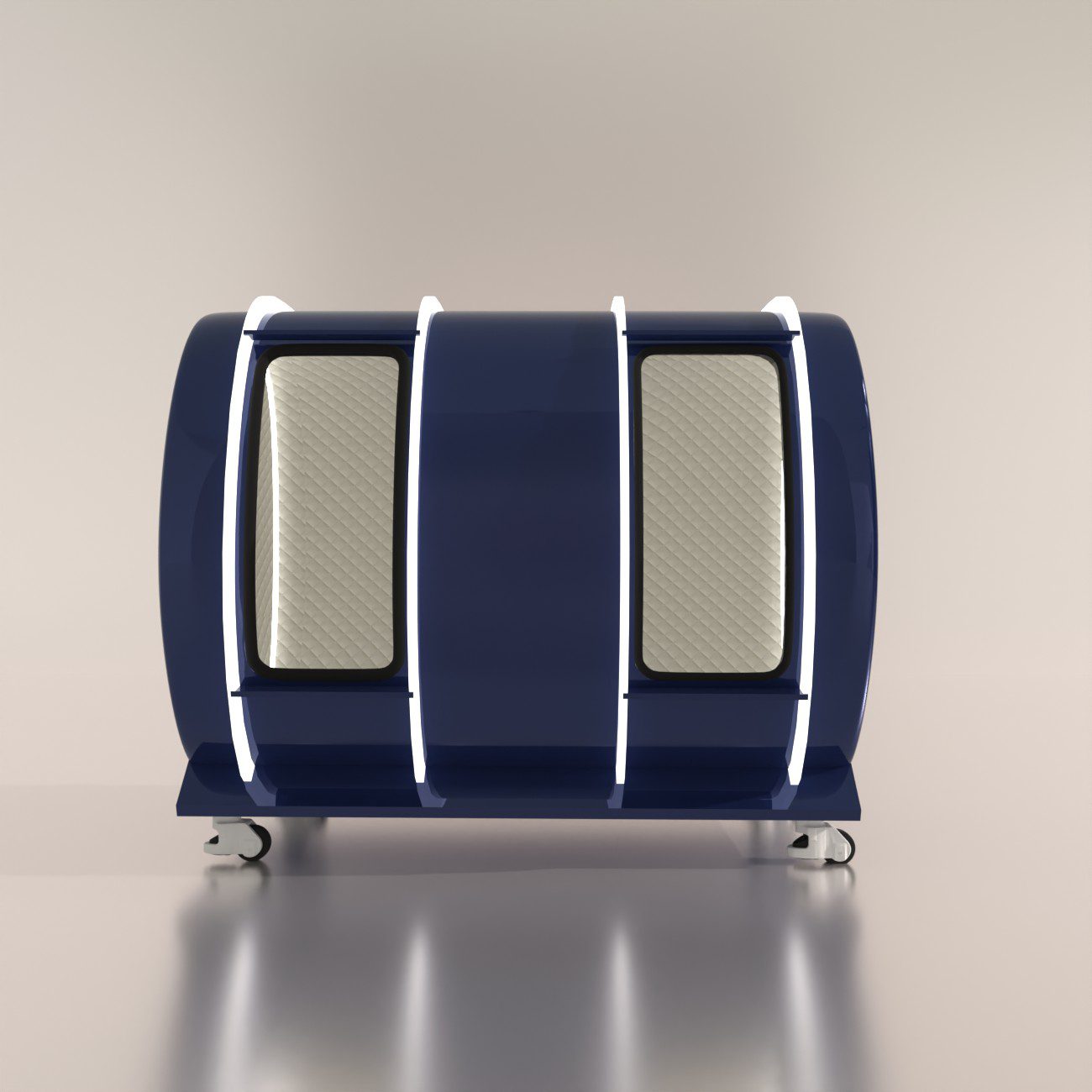
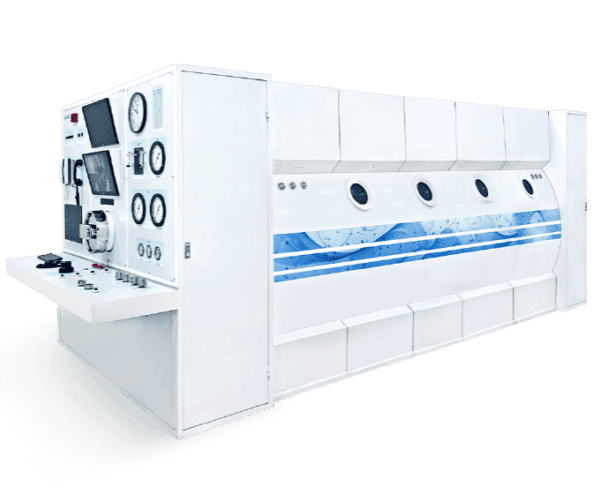
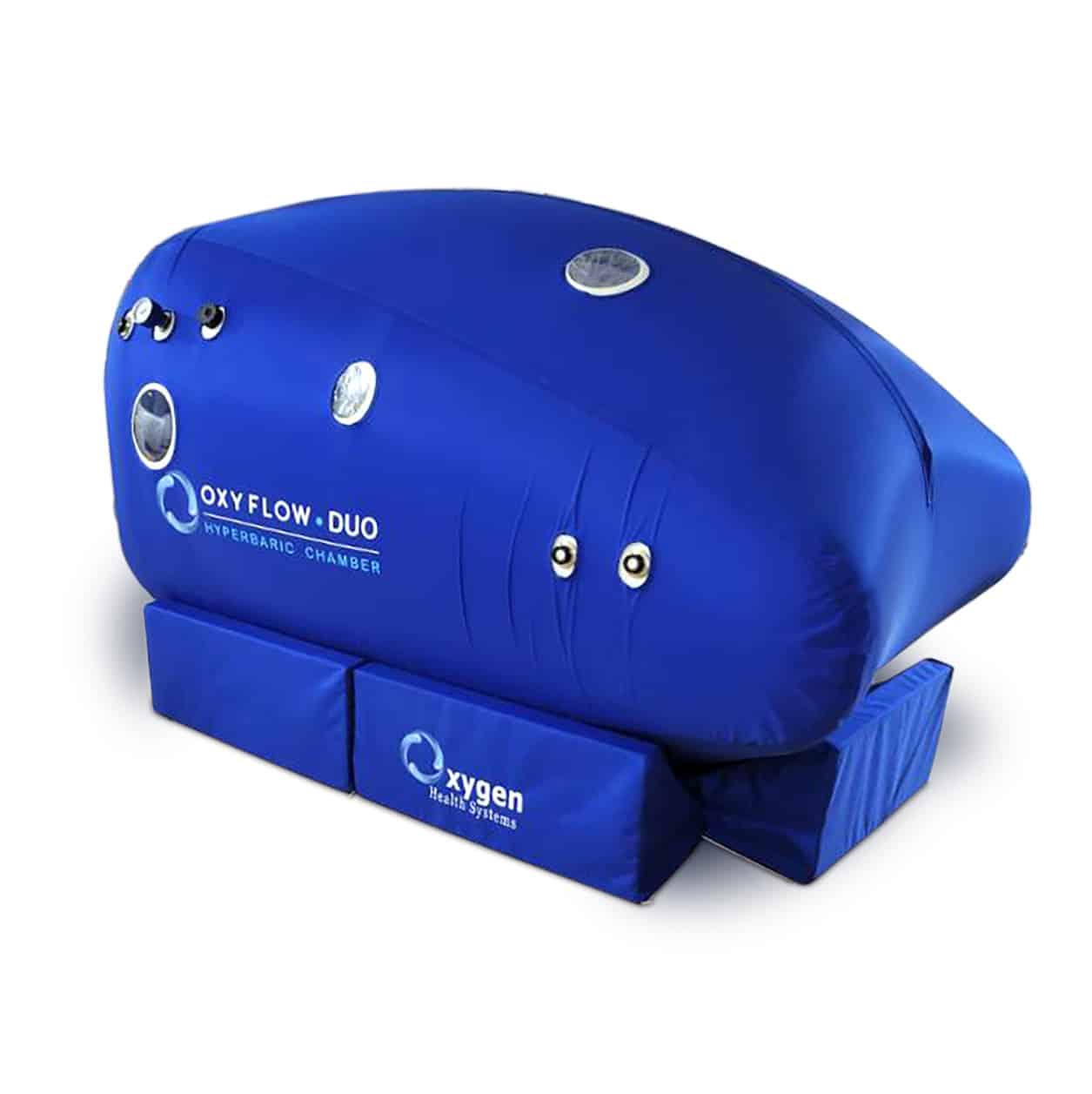
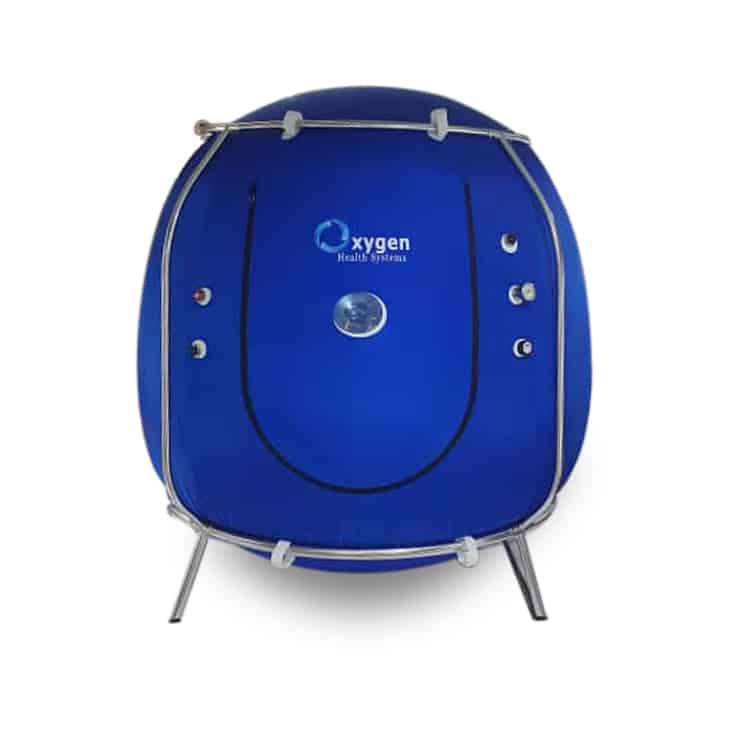

Athletes are always looking for practical ways to recover between demanding workouts, competitions, and travel. Hyper Oxygen Chamber for Athletes is sometimes promoted as a way to accelerate recovery or reduce lactic acid buildup, but those claims should be approached carefully. Lactate is not simply a waste product that must be “flushed” from the body, and post-exercise soreness is influenced by many factors beyond lactate. Chamber use should therefore be viewed as an optional recovery tool rather than a guaranteed performance solution.
Training recovery depends heavily on sleep, hydration, nutrition, appropriate workload, rest days, and injury management. A chamber cannot replace those foundations. Anyone considering pressure-based oxygen exposure should follow the exact manufacturer protocol, use appropriate professional screening, and avoid changing pressure, duration, oxygen delivery, or session frequency independently.
Hyper Oxygen Chamber for Athletes Should Be Understood as One Part of a Larger Recovery Plan.
Recovery is a process, not a single session. Muscles, connective tissues, the nervous system, and energy stores all respond differently after exercise. A useful recovery plan should account for the type of training performed, the athlete’s experience level, sleep quality, nutrition, hydration, and the timing of the next session.
This type of chamber may fit into that plan for some people, but it should not become a reason to ignore fatigue, persistent pain, or a poorly designed training schedule. More recovery technology does not automatically compensate for excessive training load.
Hyper Oxygen Chamber for Athletes Should Not Be Marketed as a Guaranteed Lactic Acid Removal Method.
Lactate rises during demanding exercise and is normally processed by the body as activity slows. It can be reused as an energy source rather than functioning only as harmful waste. The familiar soreness that appears a day or two after hard exercise is also not explained simply by leftover lactic acid.
This distinction matters because recovery marketing often uses outdated language. Athletes should judge a chamber by realistic goals and evidence rather than claims that it instantly removes exercise byproducts.
Hyper Oxygen Chamber for Athletes Should Begin With Appropriate Screening Before Use.
Pressure changes affect the ears, sinuses, lungs, and other body systems, so screening matters. Athletes should disclose recent illness, congestion, ear problems, respiratory concerns, medications, injuries, and any previous difficulty with pressure changes.
A qualified professional can help determine whether chamber use is appropriate and whether additional precautions are needed. Do not rely only on gym advice, social media posts, or another athlete’s experience.
Hyper Oxygen Chamber for Athletes Should Use Only the Pressure Approved for the Specific Chamber.
Higher pressure is not automatically better. Different chamber models have different operating limits, construction standards, and approved procedures. The correct pressure should come from the manufacturer’s documentation and the supervising professional’s protocol.
Never bypass controls, modify valves, adjust regulators beyond approved settings, or attempt to make a chamber operate at a pressure for which it was not designed.
Hyper Oxygen Chamber for Athletes Should Follow Model-Specific Session Duration and Frequency.
Session length and frequency should not be copied from another athlete or another chamber model. A routine that is appropriate in one setting may not be suitable in another.
Hyper Oxygen Chamber for Athletes should always follow the planned protocol rather than adding extra time because a competition is approaching. Longer sessions are not automatically more useful and may simply increase discomfort or inconvenience.
Hyper Oxygen Chamber for Athletes Should Treat Ear and Sinus Comfort as a Priority.
Pressure changes can create fullness or discomfort in the ears and sinuses. Compression should occur gradually according to the chamber protocol, and athletes should report pain early rather than trying to tolerate it.
Do not force equalization. If congestion, ear pain, or unusual pressure sensation makes equalization difficult, pause the process and follow the operator’s instructions.
Hyper Oxygen Chamber for Athletes Should Include Reliable Communication During Every Session.
The person inside the chamber should be able to communicate with the operator or supervising staff according to the equipment design. Clear communication is especially important if pressure discomfort, anxiety, dizziness, equipment concerns, or another unexpected issue occurs.
Before beginning, review how communication works and what to do if assistance is needed. Do not assume an athlete will know the controls simply because the equipment looks straightforward.
Hyper Oxygen Chamber for Athletes Should Keep Fire Safety and Approved Materials at the Center of Operation.
Chamber environments require strict attention to ignition sources and approved materials. Follow the manufacturer’s rules regarding clothing, linens, electronics, personal care products, accessories, and other items brought near or into the chamber.
Never introduce flames, smoking materials, unapproved electrical equipment, or products that are prohibited by the operating instructions. Fire safety is part of routine chamber use, not an optional extra.
Hyper Oxygen Chamber for Athletes Should Support Recovery Nutrition Instead of Replacing It.
After demanding exercise, athletes still need enough energy, carbohydrate, protein, fluids, and micronutrients. Carbohydrate helps restore energy stores, while protein supplies amino acids used in normal tissue repair and adaptation.
Chamber sessions cannot compensate for chronic under-eating, skipped meals, or inadequate protein intake. A simple post-training meal with protein, carbohydrate, produce, and fluids may have a more direct role in everyday recovery planning.
Hyper Oxygen Chamber for Athletes Should Be Paired With Sensible Hydration Strategies.
Fluid needs vary with exercise duration, sweat rate, temperature, clothing, and individual physiology. Athletes training in hot conditions may lose considerably more fluid than those performing short indoor sessions.
There is no need to force excessive water solely because a chamber session is planned. Hydration should match the athlete’s overall activity and recovery needs.
Hyper Oxygen Chamber for Athletes Should Not Replace Adequate Sleep.
Sleep remains one of the most important parts of recovery. It affects attention, reaction time, mood, training quality, and how physically prepared someone feels for the next session.
An athlete who repeatedly sleeps too little should address that foundation rather than expecting a chamber to compensate. Consistent bed and wake times, reduced late-night stimulation, and enough time in bed can be more important than adding another recovery modality.
Hyper Oxygen Chamber for Athletes Should Be Considered Alongside Training Load and Rest Days.
Recovery problems often begin with workload. Sudden increases in mileage, volume, intensity, or competition frequency can create fatigue even when nutrition and sleep are reasonable.
Track training volume and how the athlete feels from day to day. Persistent declines in performance, unusual fatigue, or recurring pain deserve attention rather than simply adding more recovery sessions.
Hyper Oxygen Chamber for Athletes Should Use Realistic Expectations for Muscle Soreness.
Delayed muscle soreness can occur after unfamiliar or demanding exercise, especially eccentric work. It generally reflects a complex response to training rather than a simple buildup of one chemical that needs to be removed.
Gentle movement, appropriate rest, adequate food, hydration, and gradual training progression can all be part of a practical approach. Chamber use should not be presented as a guaranteed way to eliminate soreness overnight.
Hyper Oxygen Chamber for Athletes Should Not Be Used to Push Through Unexplained Pain.
Pain that is sharp, worsening, associated with swelling, or repeatedly returns during the same movement deserves evaluation. Masking discomfort with recovery strategies can delay recognition of an injury.
Chamber use should never become a reason to continue training through symptoms that need assessment. Recovery technology works best when it supports good decision-making rather than encouraging athletes to ignore warning signs.
Hyper Oxygen Chamber for Athletes Should Be Integrated Carefully Into Competition Schedules.
A new recovery method should not be introduced for the first time immediately before an important race or event. Athletes respond differently to unfamiliar routines, and even a comfortable session can disrupt timing, meals, travel, or sleep if it is poorly scheduled.
Test any recovery routine during ordinary training weeks first. If the athlete chooses to use chamber sessions during competition periods, keep the protocol consistent and avoid last-minute experimentation.
Hyper Oxygen Chamber for Athletes Should Include Maintenance and Equipment Checks.
Athletes depend on the equipment functioning as designed. The operator should follow the manufacturer’s maintenance schedule for seals, zippers or doors, hoses, pressure controls, filters, compressors, communication equipment, and other components.
Stop use if pressure readings are unstable, closures are damaged, hoses show deterioration, controls behave unexpectedly, or the compressor develops unusual sounds. Equipment faults should be handled through approved service procedures.
Hyper Oxygen Chamber for Athletes Should Avoid Unapproved DIY Modifications.
Never drill, patch, alter, reinforce, or reroute pressure-related components in an attempt to improve performance or convenience. Do not substitute unapproved hoses, connectors, filters, valves, or electrical accessories.
Only approved replacement parts and servicing procedures should be used. A modification that appears minor can change how a pressurized system behaves.
Hyper Oxygen Chamber for Athletes Should Be Documented With a Simple Recovery Log.
A log can record training type, session date, chamber protocol, sleep, soreness, perceived recovery, and any discomfort. This creates a more useful record than relying on memory or one especially good or bad day.
Keep the log simple enough to maintain. The purpose is to identify patterns, not to turn recovery into a complicated scoring system.
Hyper Oxygen Chamber for Athletes Should Avoid Common Recovery and Safety Mistakes.
- Do not assume higher pressure automatically means better recovery.
- Do not extend session duration beyond the approved protocol.
- Do not force ear equalization when pain develops.
- Do not use the chamber when equipment shows obvious faults.
- Do not bring prohibited electronics, personal products, or ignition sources into the chamber environment.
- Do not use recovery sessions to compensate for chronic sleep loss.
- Do not neglect protein, carbohydrate, fluids, or total energy intake.
- Do not treat every episode of soreness as a lactic acid problem.
- Do not continue training through unexplained or worsening pain simply because recovery technology is available.
- Do not copy another athlete’s chamber settings without model-specific and professional guidance.
Another common mistake is judging success by how intense or technical a recovery method feels. A complicated routine is not automatically better than consistent sleep, food, hydration, and intelligent training progression.
Hyper Oxygen Chamber for Athletes Works Best When Safety, Recovery Basics, and Realistic Expectations Come First.
Hyper Oxygen Chamber for Athletes can be considered as one optional part of a structured recovery routine, but it should not be described as a guaranteed way to remove lactic acid, prevent soreness, heal injuries, or improve performance. Athlete response can vary, and the basics still matter.
Use only the manufacturer-approved pressure and operating procedure, follow appropriate professional screening, communicate during sessions, and stop when ear pain, equipment problems, or other concerning issues appear. Never modify the chamber or increase pressure independently.
Build recovery around enough sleep, adequate energy intake, protein, carbohydrate, hydration, appropriate training load, and rest days. Those habits create the foundation that any additional recovery modality has to work within.
Hyper Oxygen Chamber for Athletes makes the most sense when it supports disciplined recovery rather than replacing it. A safe, consistent, well-documented approach allows athletes to evaluate the experience without relying on exaggerated claims or using the chamber as permission to train beyond reasonable limits.



0 Comments