
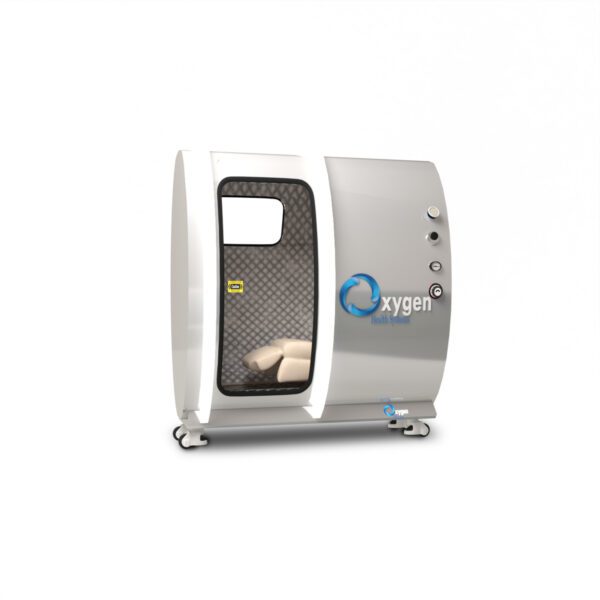
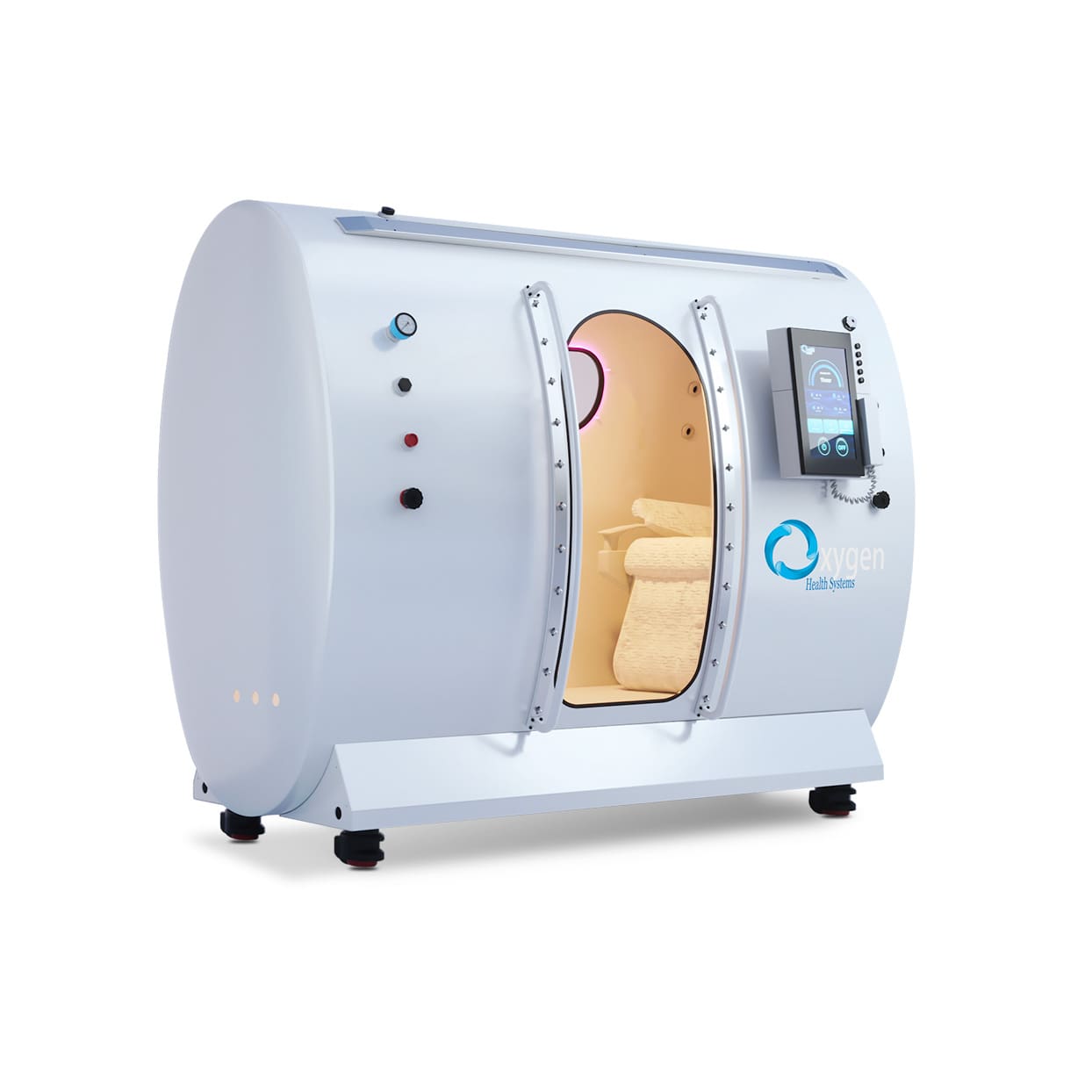

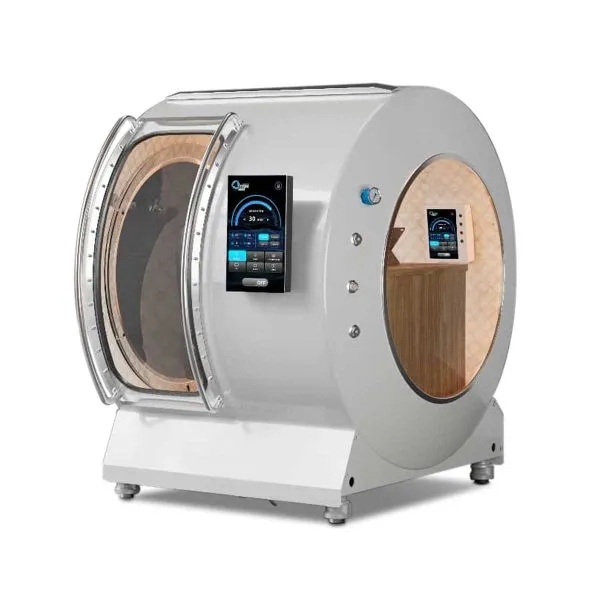
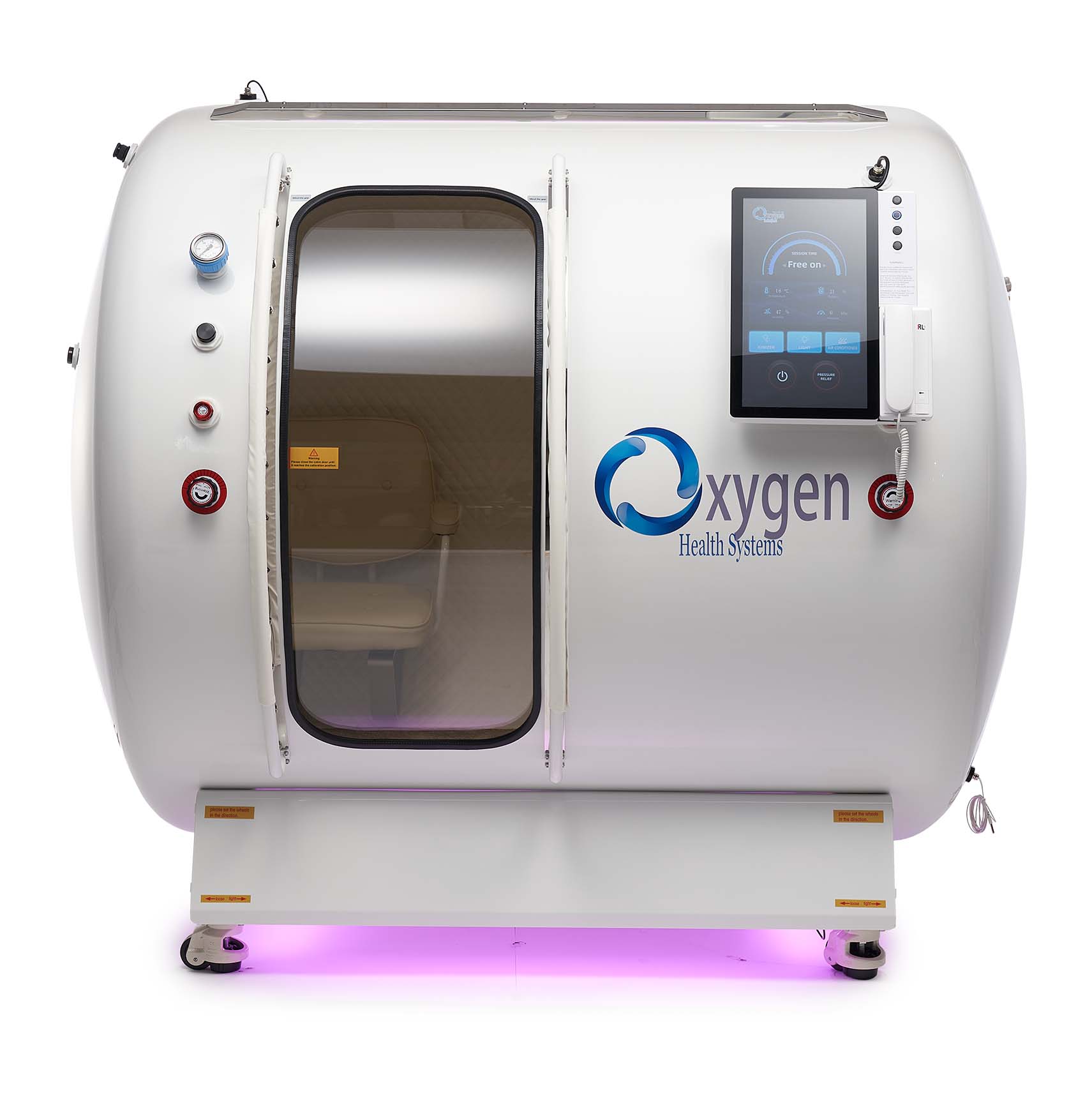


Healthy aging is influenced by many factors, including sleep, movement, nutrition, stress management, social connection, and appropriate medical care. Anti-Aging and Oxygen Chambers are sometimes promoted as part of a broader wellness strategy, but they should not be described as a guaranteed way to reverse aging, restore sleep, or renew cells. A more realistic approach is to understand what pressurized oxygen environments are designed to do, how they may fit into supervised wellness plans, and why everyday habits still matter.
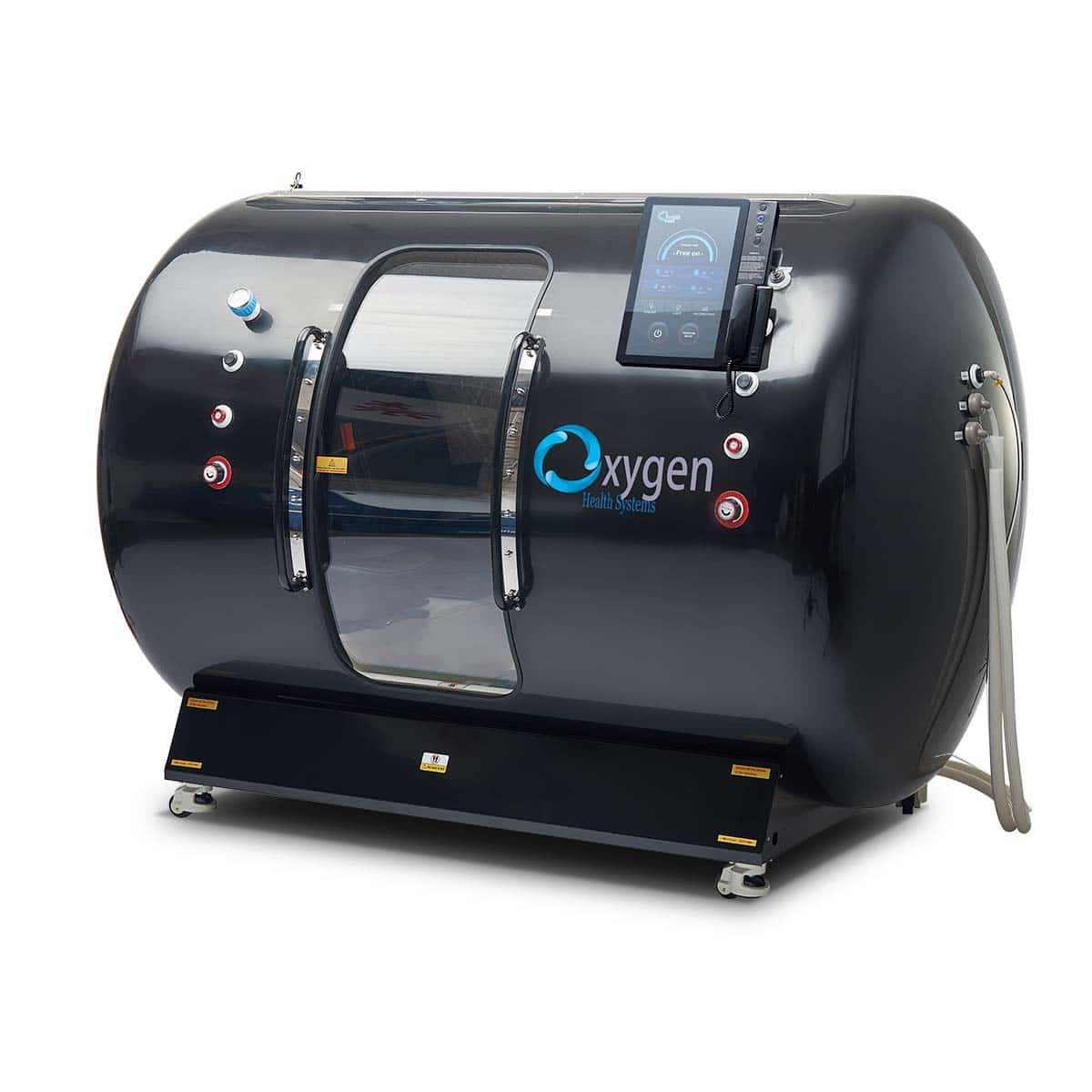
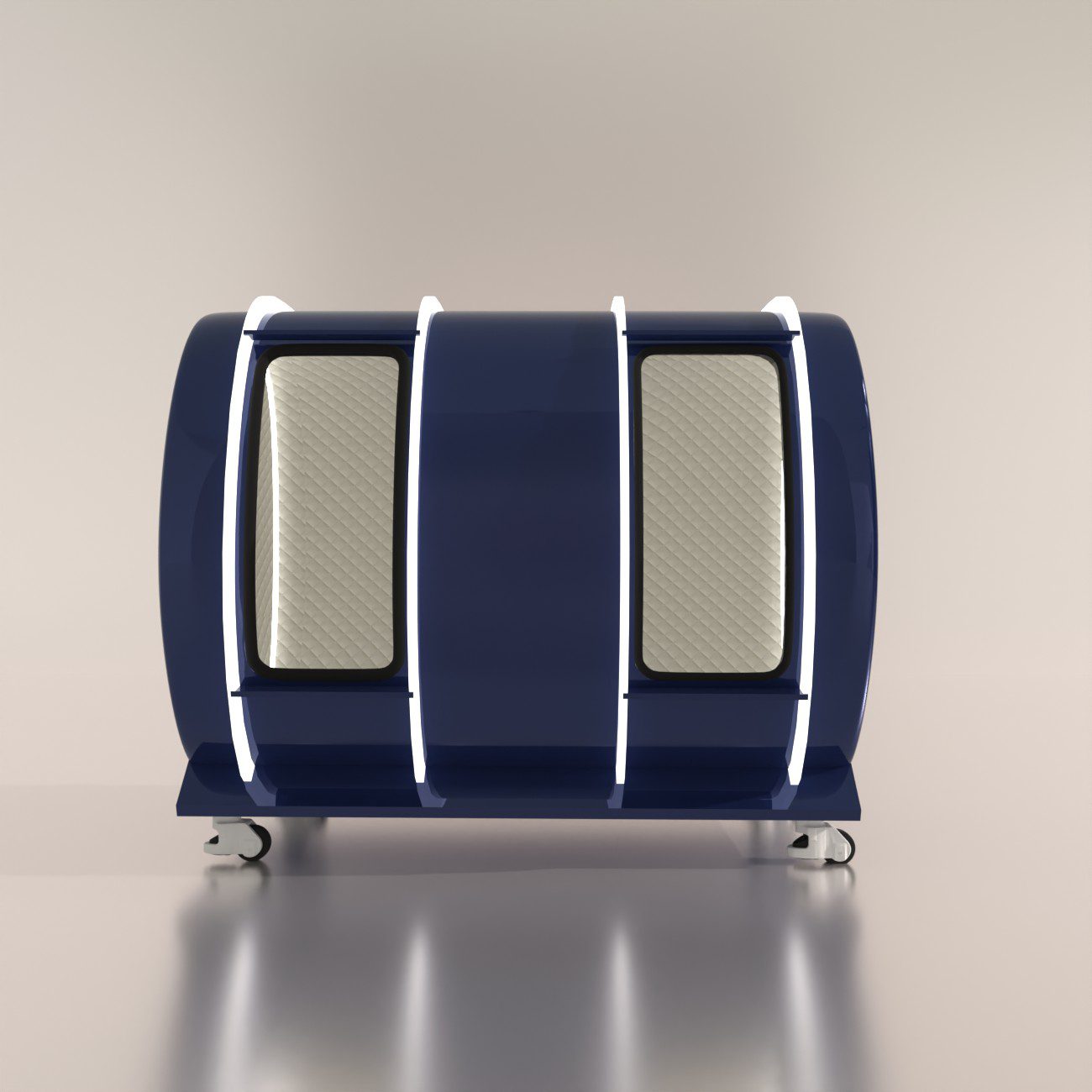
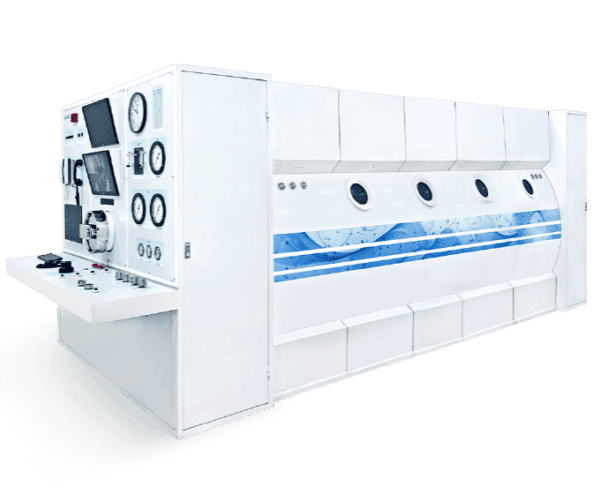
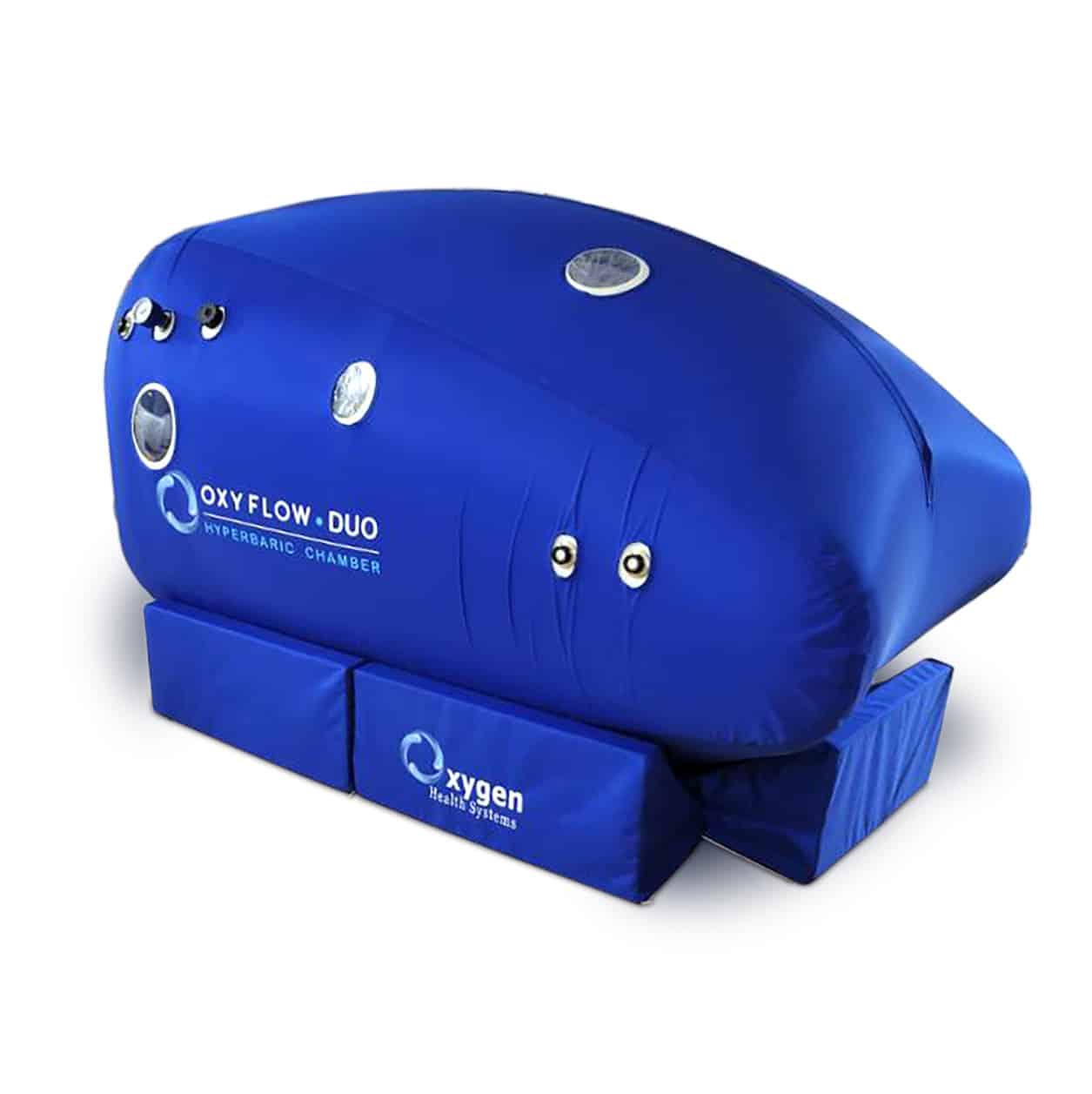
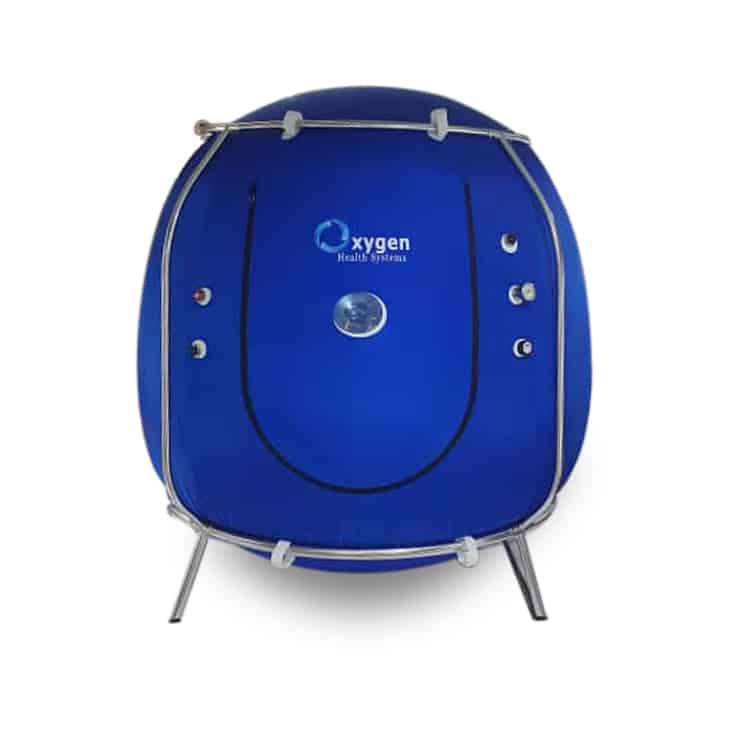
Hyperbaric-style chambers create a controlled environment in which pressure is increased and oxygen is delivered according to the equipment design and operating protocol. Different systems vary in pressure range, oxygen delivery, construction, and intended use. Because of those differences, individual experiences cannot be generalized from one chamber or one person to another.
Anti-Aging and Oxygen Chambers Should Be Understood Through Basic Pressure and Oxygen Principles.
In a pressurized environment, gases behave differently than they do at normal atmospheric pressure. Depending on the system and oxygen source, this can change how oxygen is transported within the body during a session. That physiological principle is one reason hyperbaric technology has been studied in selected clinical and wellness settings.
However, a measurable change in oxygen delivery does not automatically prove a broad anti-aging effect. Research questions about aging, recovery, circulation, and cellular processes are complex, and results depend on the population, protocol, duration, and outcome being measured.
Anti-Aging and Oxygen Chambers Should Not Be Treated as a Shortcut to Younger Biology.
Aging involves changes across the cardiovascular system, muscles, bones, skin, metabolism, sleep, cognition, and many other areas. No single device can address every part of that process. Lifestyle, genetics, environment, healthcare access, and long-term habits all influence how people age.
A chamber may be one optional wellness tool for some individuals, but it should not replace exercise, balanced nutrition, preventive care, or realistic sleep routines. The strongest long-term approach remains broad rather than device-centered.
Anti-Aging and Oxygen Chambers Should Be Evaluated With Realistic Expectations About Cellular Renewal.
“Cellular renewal” is a broad phrase that can refer to many normal biological processes. Cells continuously repair, replace, recycle, and adapt through mechanisms that differ by tissue type and individual circumstances.
Claims that a chamber can broadly “renew cells” should therefore be interpreted cautiously. A research finding involving one laboratory marker does not necessarily mean a visible or meaningful whole-body anti-aging effect will occur.
Anti-Aging and Oxygen Chambers Should Be Considered Separately From Healthy Sleep Habits.
Sleep is strongly influenced by circadian timing, light exposure, stress, caffeine, alcohol, medications, pain, breathing problems, bedroom environment, and daily routines. A chamber session cannot correct all of those factors.
If someone is interested in better sleep, basic habits still deserve attention. A regular wake time, morning light exposure, reduced late caffeine, a quieter bedroom, and a predictable wind-down routine can create a more stable foundation.
Anti-Aging and Oxygen Chambers Should Not Replace Evaluation of Persistent Sleep Problems.
Repeated difficulty falling asleep, frequent waking, loud snoring, gasping, extreme daytime sleepiness, or other persistent problems deserve individualized evaluation. These issues may have causes that are unrelated to wellness equipment.
Using a chamber without understanding the sleep problem can lead to misplaced expectations. Better sleep planning begins with identifying what is actually disrupting rest.
Anti-Aging and Oxygen Chambers Should Fit Into a Consistent Daily Sleep Schedule.
If chamber sessions are included in a wellness routine, scheduling should support rather than disrupt sleep. Late appointments, long travel times, or intense stimulation near bedtime may make some people feel less settled in the evening.
A practical schedule leaves enough time for meals, hydration, activity, relaxation, and a regular bedtime. The wellness routine should make life easier to organize, not harder.
Anti-Aging and Oxygen Chambers Can Be Paired With Simple Evening Wind-Down Habits.
Gentle stretching, reading, dimmer lighting, quiet music, breathing exercises, or a brief mindfulness practice can help create a transition between daytime activity and bedtime. These habits do not need to be elaborate.
The most useful routine is usually the one that can be repeated consistently. A short, calm evening pattern often makes more sense than adding multiple devices, supplements, and complicated rituals at once.
Anti-Aging and Oxygen Chambers Should Be Used Only With Appropriate Screening and Supervision.
Pressurized environments are not suitable for every person in every situation. Ear or sinus problems, certain respiratory conditions, recent procedures, implanted devices, medications, or other health factors may affect whether a session is appropriate.
Before using a chamber, discuss relevant health information with appropriately qualified professionals. People should also report new symptoms or changes rather than assuming that previous clearance always applies.
Anti-Aging and Oxygen Chambers Require Attention to Ear and Sinus Comfort.
Pressure changes can create fullness or discomfort in the ears and sinuses. Users are commonly instructed on safe equalization methods and should communicate early if discomfort develops.
Severe pain should never be treated as something to push through. If equalization becomes difficult, the session should follow the approved procedure for slowing, pausing, or stopping rather than forcing continued pressurization.
Anti-Aging and Oxygen Chambers Require Strict Fire-Safety and Equipment Rules.
Oxygen-related environments require careful control of ignition sources. Smoking materials, flames, lighters, candles, and unapproved electronics should remain outside the chamber area according to the system’s rules.
Approved clothing, linens, cleaning products, and accessories should be used. Fire safety is a fundamental operating requirement and should never be relaxed simply because the chamber is being used for wellness rather than for a clinical purpose.
Anti-Aging and Oxygen Chambers Should Include a Simple Pre-Session Checklist.
- Confirm that the chamber and visible equipment appear undamaged.
- Remove prohibited personal items and ignition sources.
- Use only approved clothing, linens, masks, and accessories.
- Confirm communication with the supervising person.
- Review any new medications, procedures, or symptoms when relevant.
- Follow the model-specific pressure, duration, and operating instructions.
A checklist reduces the chance that routine familiarity turns into carelessness. Even experienced users can miss steps when they are distracted or rushing.
Anti-Aging and Oxygen Chambers Should Not Encourage Longer or Stronger Sessions Without Guidance.
More pressure, longer duration, or more frequent use does not automatically create better results. Chamber limits and session parameters exist for specific reasons and should not be changed casually.
Users should not increase settings to chase a stronger sensation or more dramatic wellness effect. The approved protocol and professional guidance should remain the controlling factors.
Anti-Aging and Oxygen Chambers Should Be Combined With Balanced Nutrition Rather Than Supplement Megadoses.
Healthy aging depends on adequate protein, fruits, vegetables, whole grains, healthy fats, vitamins, minerals, and enough total energy. These nutrients are best considered as part of a balanced eating pattern rather than as a collection of high-dose “anti-aging” products.
Supplements may be appropriate for specific needs, but combining several antioxidant, vitamin, mineral, or herbal products can create unnecessary overlap. Food quality and overall intake remain more important than marketing language.
Anti-Aging and Oxygen Chambers Should Be Supported by Regular Physical Activity.
Movement supports strength, balance, mobility, cardiovascular fitness, and independence as people age. Walking, resistance training, flexibility work, and other appropriate activity can all contribute to long-term function.
A chamber session cannot replace the physical adaptations created by regular exercise. If both are part of a wellness routine, scheduling should allow enough time for recovery, hydration, and normal daily activity.
Anti-Aging and Oxygen Chambers Should Leave Enough Time for Rest and Recovery.
A wellness schedule can become counterproductive when it is packed with appointments, workouts, supplements, and devices. Recovery also requires unstructured time, sleep, and a manageable pace.
People should consider whether a new routine improves quality of life or simply adds another obligation. Healthy aging should not become a full-time project.
Anti-Aging and Oxygen Chambers Should Be Evaluated by Practical Everyday Outcomes.
Instead of expecting dramatic biological rejuvenation, people can focus on practical outcomes such as how well they sleep, whether energy remains steady, whether the routine fits comfortably into daily life, and whether sessions are tolerated without unnecessary discomfort.
Keeping expectations concrete makes it easier to decide whether the time, cost, travel, and effort involved are worthwhile.
Anti-Aging and Oxygen Chambers Should Avoid Common Wellness Marketing Mistakes.
- Do not assume pressurized oxygen can reverse normal aging.
- Do not treat a chamber as a substitute for healthy sleep habits.
- Do not increase pressure or session time independently.
- Do not ignore persistent ear, sinus, or breathing discomfort.
- Do not bring unapproved electronics or ignition sources into the chamber.
- Do not rely on expensive supplements to create “cellular renewal.”
- Do not replace exercise, balanced meals, or routine healthcare with device-based wellness.
Another common mistake is starting several new wellness strategies at once. If sleep changes, energy drops, or discomfort develops, it becomes difficult to identify which new habit is responsible. Introduce changes gradually when possible.
Anti-Aging and Oxygen Chambers Should Fit a Broader Healthy-Aging Plan.
Healthy aging is usually supported by ordinary habits repeated over years: adequate sleep, balanced nutrition, regular physical activity, social connection, preventive care, stress management, and avoiding tobacco exposure.
Anti-Aging and Oxygen Chambers should never make these ordinary foundations seem optional. Technology can be added around them, but it should not replace them. A device-centered routine is less useful if it causes someone to neglect movement, relationships, meals, or sleep.
Anti-Aging and Oxygen Chambers Should Be Reviewed Periodically Instead of Used Automatically Forever.
Wellness routines should be reassessed. Ask whether the chamber is still serving a clear purpose, whether the schedule remains practical, and whether the cost and time continue to feel worthwhile.
Changes in medications, health status, procedures, or equipment should also prompt review. What was appropriate at one stage of life may not remain appropriate indefinitely.
Anti-Aging and Oxygen Chambers Work Best When Safety and Realistic Expectations Come First.
Anti-Aging and Oxygen Chambers can be discussed as one optional part of a broader wellness routine, but they should not be framed as a guaranteed method for restoring sleep, reversing aging, or renewing cells throughout the body. Pressurized oxygen technology is more appropriately understood through controlled pressure, oxygen delivery, supervised use, and model-specific operating procedures.
Healthy sleep still depends on consistent timing, light exposure, stress management, comfortable surroundings, and appropriate evaluation of persistent problems. Healthy aging still depends heavily on movement, nutrition, relationships, preventive care, and everyday habits.
If chamber use is included, follow the equipment instructions, respect fire-safety rules, use appropriate supervision, and avoid changing pressure or duration independently. The strongest plan is one that protects safety while keeping the rest of life balanced.
In the long term, Anti-Aging and Oxygen Chambers make the most sense when the chamber remains one optional tool rather than the center of the entire wellness strategy. Realistic expectations, consistent sleep habits, regular activity, balanced nutrition, and appropriate professional guidance provide a more sustainable foundation for healthy aging.



0 Comments