
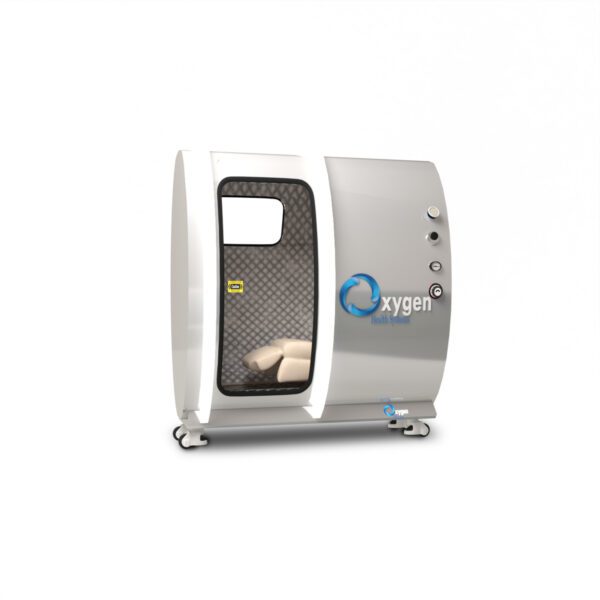
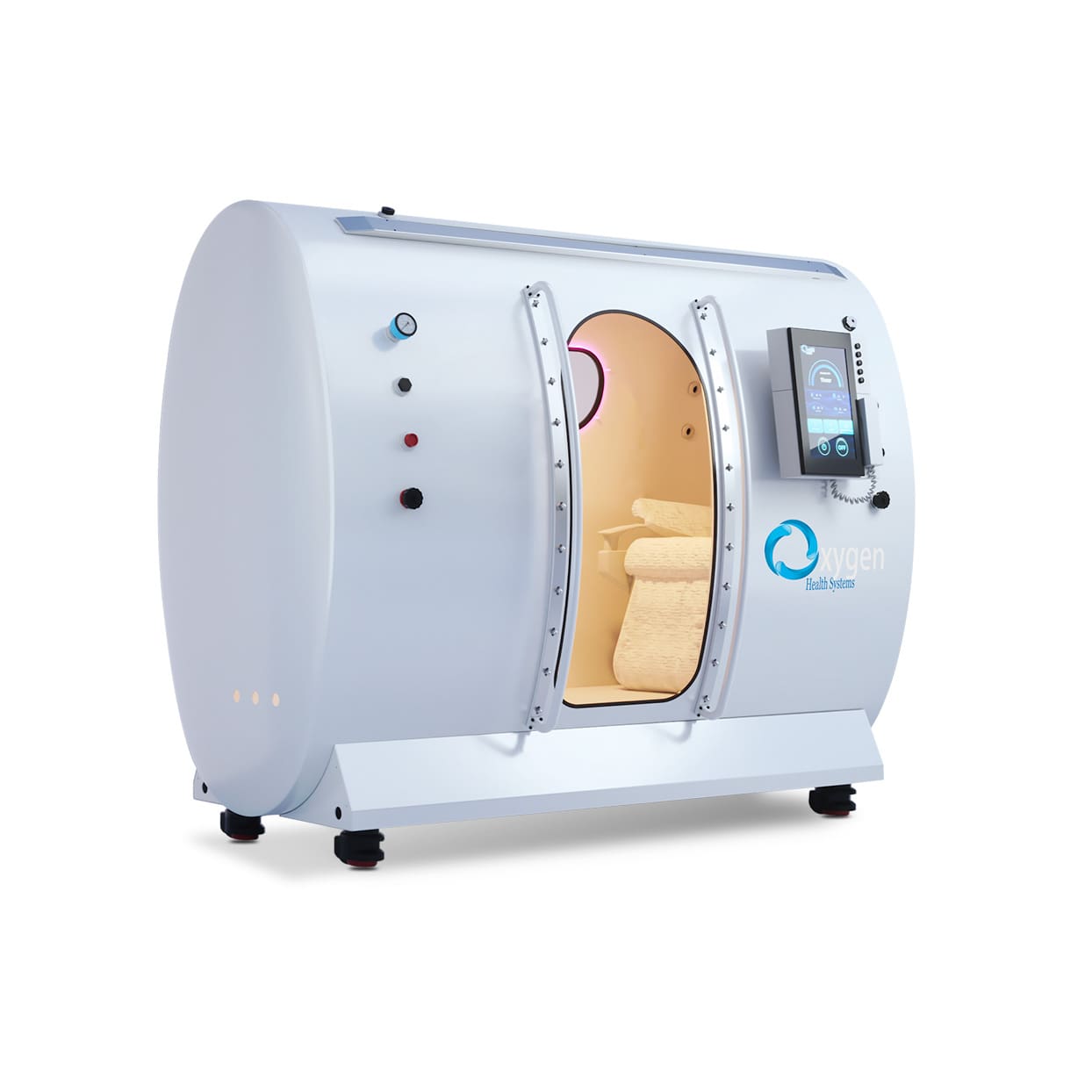

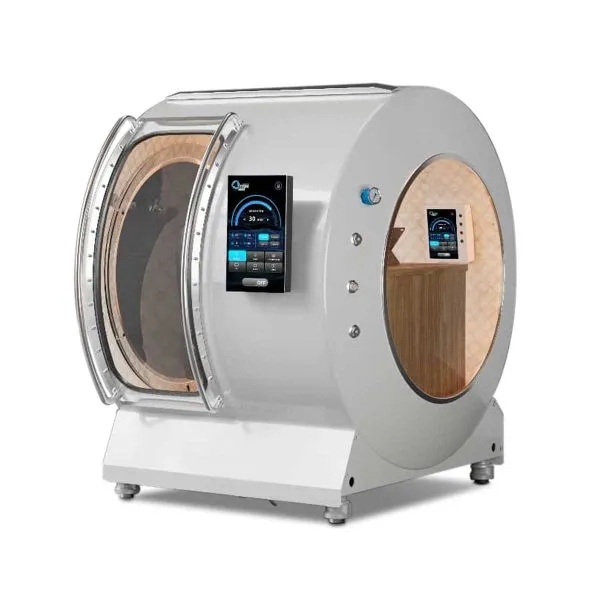
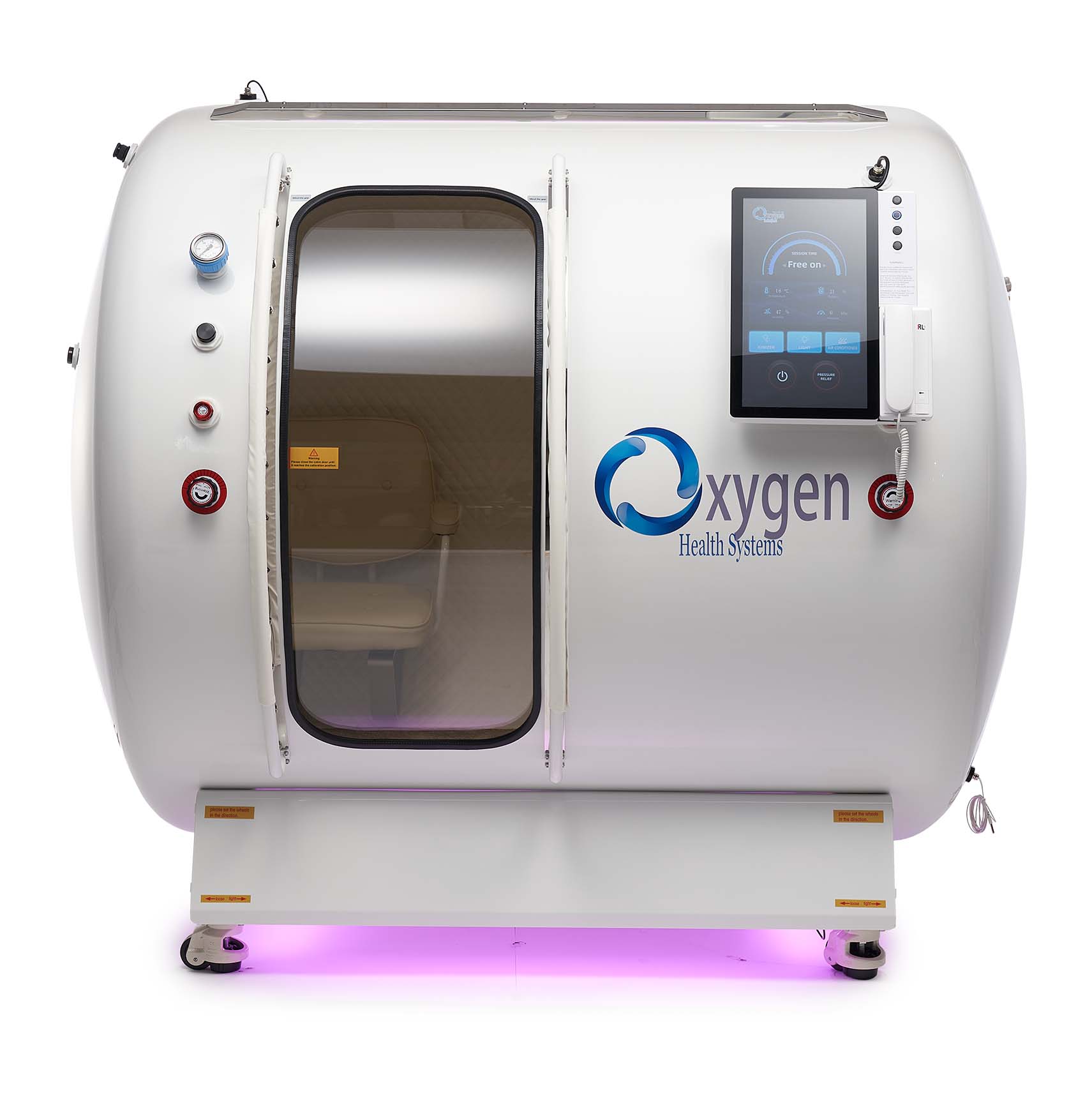
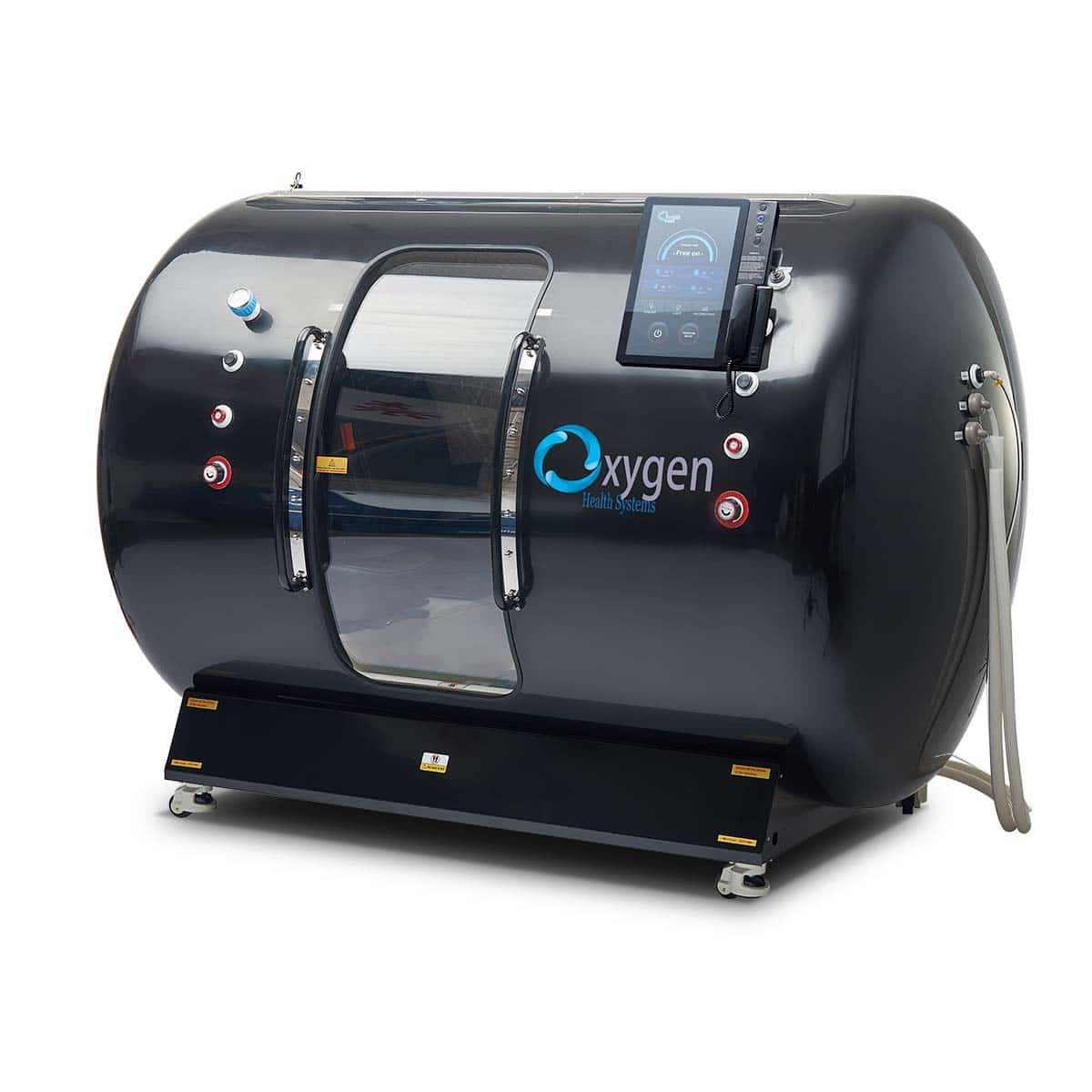

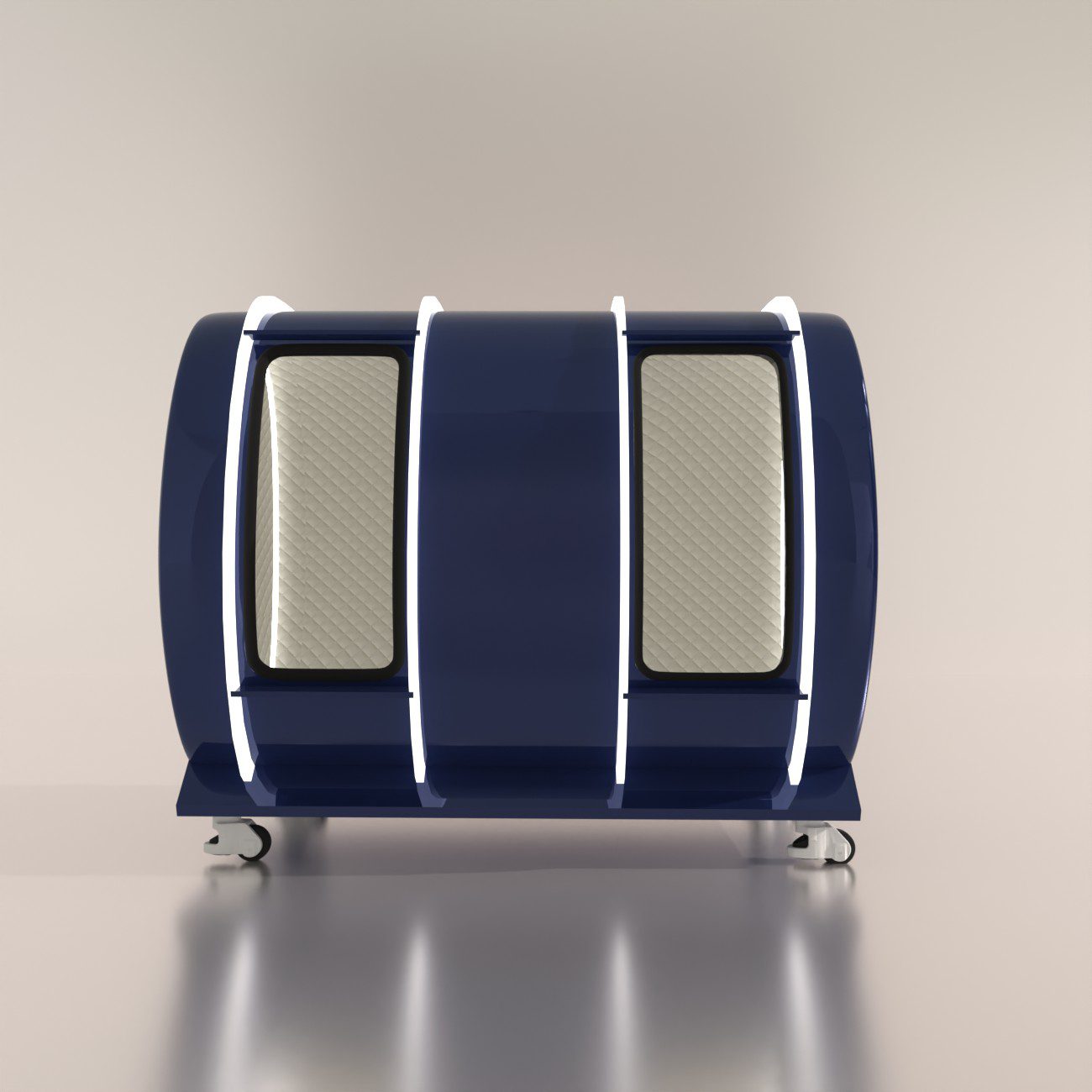
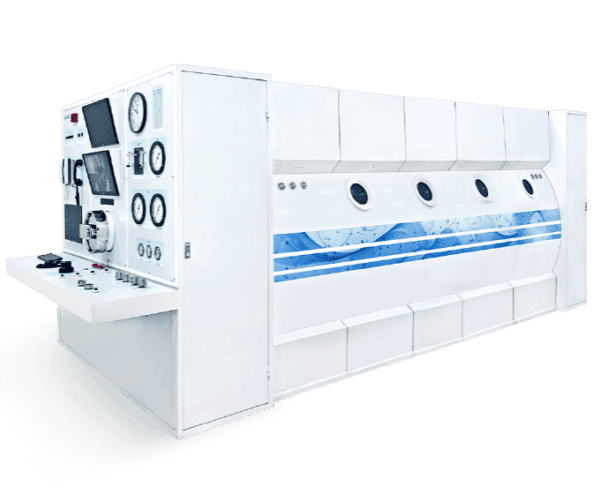
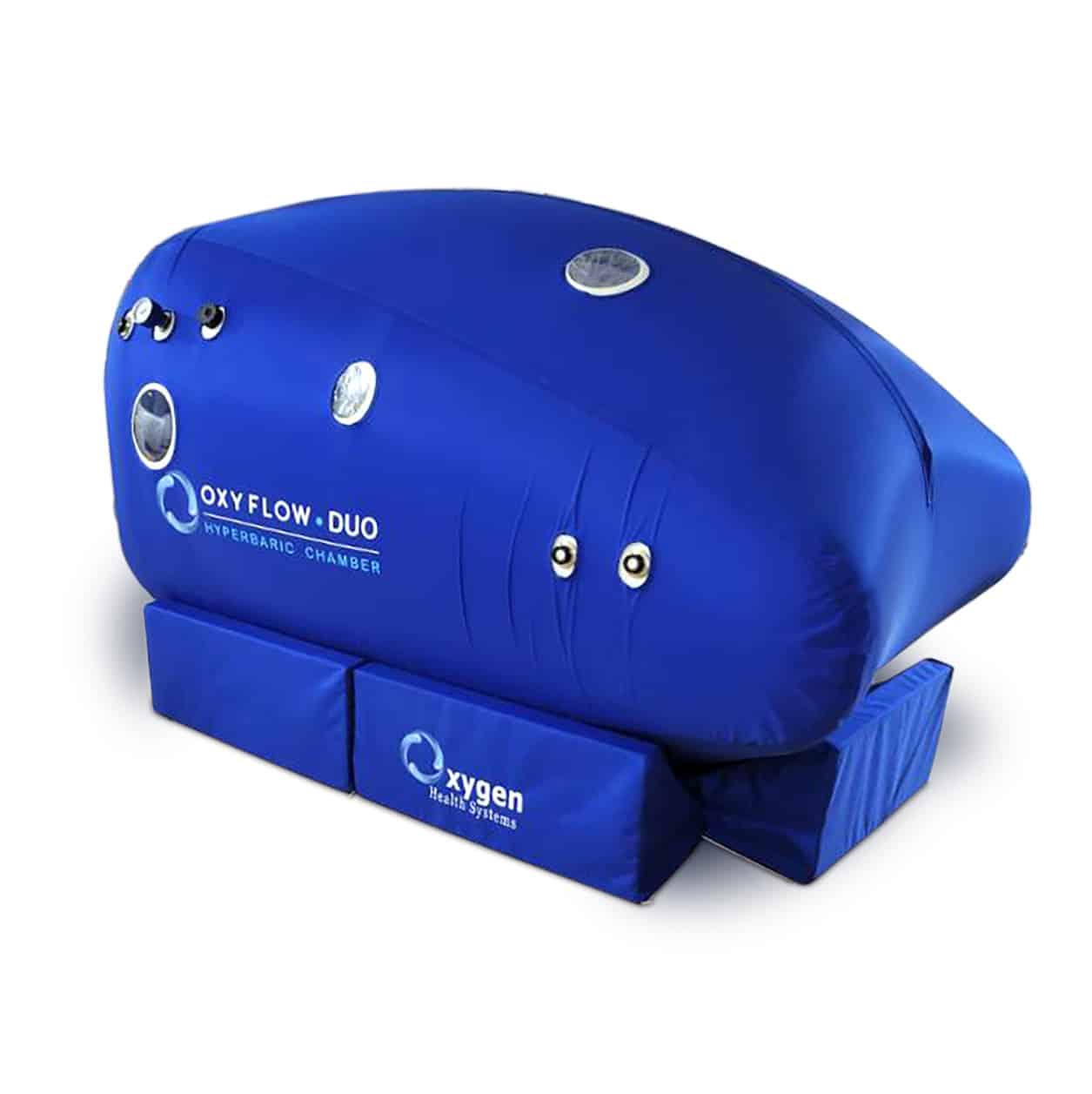
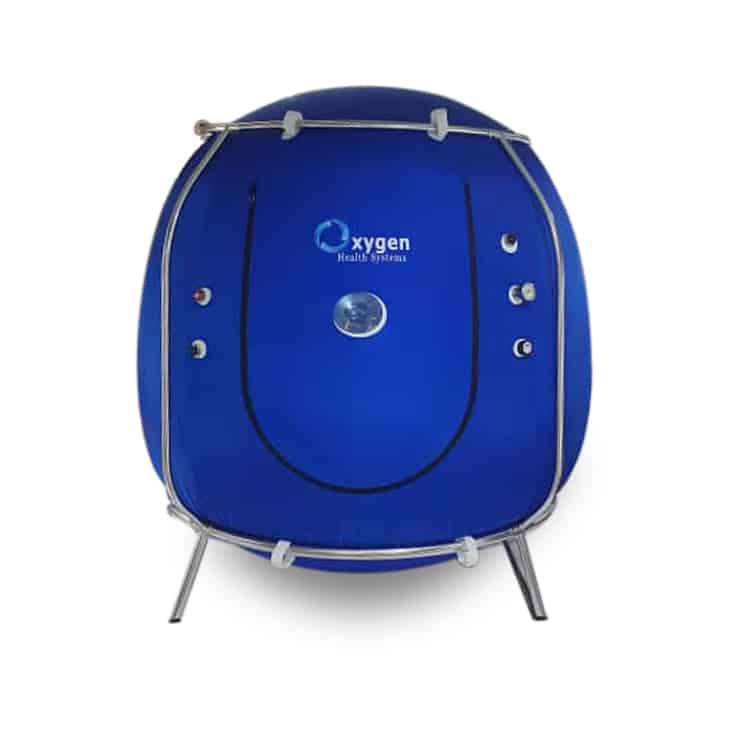

Hyperbaric-style chambers are designed to create a pressurized environment in which a person breathes oxygen according to the equipment setup and professional plan. How Hyper Oxygen Chambers Work is best understood through basic pressure and oxygen-delivery principles rather than through claims that a chamber can guarantee faster healing after surgery or injury. In recovery settings, chamber use should be considered an adjunct that may be discussed alongside wound care, rehabilitation, nutrition, rest, medication management, and follow-up with the surgical or medical team.
<< See Latest Deals >>
Different chambers operate at different pressure ranges and may use different oxygen-delivery systems. That means a general explanation cannot replace the instructions for a specific model or an individualized care plan. People recovering from surgery or injury should receive professional clearance before using pressurized equipment, especially when there are concerns involving the lungs, ears, sinuses, implanted devices, medications, or recent procedures.
How Hyper Oxygen Chambers Work Begins With Increased Pressure Around the Body.
A chamber gradually increases the pressure of the surrounding environment. This pressure change is one of the main features that distinguishes hyperbaric-style equipment from ordinary oxygen use at normal room pressure.
Pressure changes can affect air-filled spaces such as the ears and sinuses, which is why users are typically taught how to equalize comfortably. Compression should be gradual and supervised according to the chamber design and the individual plan.
How Hyper Oxygen Chambers Work Also Depends on the Oxygen Delivery Method.
Some systems deliver oxygen through a mask or another approved interface while the chamber itself may be pressurized with air. Other systems can differ in design. The exact arrangement matters because pressure level, oxygen concentration, equipment configuration, and session protocol are not interchangeable.
Users should never modify oxygen equipment, tubing, flow settings, or chamber components on their own. Any change should follow the manufacturer’s instructions and the guidance of appropriately trained professionals.
How Hyper Oxygen Chambers Work Can Be Explained Through Gas Behavior Under Pressure.
When environmental pressure increases, gases behave differently than they do at ordinary atmospheric pressure. In hyperbaric settings, the combination of pressure and oxygen exposure can increase the amount of oxygen carried in plasma compared with normal conditions.
This principle is one reason hyperbaric oxygen has been studied and used in selected clinical contexts. However, the existence of a physiological effect does not mean every injury or post-surgical situation will benefit in the same way.
How Hyper Oxygen Chambers Work Should Be Considered in the Context of Post-Surgical Care.
Recovery after surgery depends on many factors: the type of procedure, wound condition, circulation, infection risk, nutrition, sleep, activity restrictions, medications, and follow-up care. A chamber should never become a substitute for the instructions given by the surgical team.
If hyperbaric use is being considered after a procedure, the surgeon or another appropriate clinician should know about it. Timing may matter, especially when there are fresh incisions, drains, dressings, implants, or other post-operative considerations.
How Hyper Oxygen Chambers Work Does Not Mean Every Surgical Wound Needs Chamber Sessions.
Most routine healing involves the body’s own repair processes supported by proper wound care and medical follow-up. A chamber is specialized equipment, not a universal step after surgery.
People should be cautious with marketing that describes pressurized oxygen as a guaranteed way to speed recovery, eliminate swelling, or prevent complications. The usefulness of any adjunct depends on the individual clinical situation.
How Hyper Oxygen Chambers Work May Be Discussed Alongside Injury Recovery Planning.
Sports injuries, fractures, soft-tissue injuries, and rehabilitation needs vary widely. Rest, graded movement, physical therapy, protection of injured tissue, sleep, and appropriate nutrition may all be part of the recovery plan.
How Hyper Oxygen Chambers Work should therefore be considered in relation to the specific injury rather than as a stand-alone recovery method. A clinician familiar with the injury can help determine whether chamber use has any appropriate role.
How Hyper Oxygen Chambers Work Should Not Replace Rehabilitation or Progressive Movement.
Many injuries require carefully planned rehabilitation to restore mobility, strength, coordination, or confidence. A chamber session cannot substitute for exercises, mobility work, or activity progression that has been selected for the individual.
When chamber use and rehabilitation are both part of a plan, scheduling should allow enough time for rest, hydration, transportation, and the person’s overall energy level.
How Hyper Oxygen Chambers Work Requires Screening Before a Session Begins.
Screening is important because pressurized environments are not appropriate for everyone in every circumstance. Ear or sinus problems, respiratory conditions, fever, certain medications, implanted devices, pregnancy, and recent procedures may affect suitability.
A complete medication and device list can help the care team identify questions before the first session. People should also report new symptoms or changes in health rather than assuming that previous clearance always applies.
How Hyper Oxygen Chambers Work Includes Careful Attention to Ear and Sinus Comfort.
Pressure changes can create fullness or discomfort in the ears. Users are commonly instructed on methods for equalization and should communicate early if discomfort develops.
Severe ear pain should not be treated as something that must be endured. If equalization is difficult, the approved procedure is to pause, adjust appropriately, or stop the session rather than forcing continued pressurization.
How Hyper Oxygen Chambers Work Depends on Controlled Compression and Decompression.
A session generally includes a gradual increase in pressure, a period at the prescribed operating level, and a gradual return toward normal pressure. These stages should follow the chamber’s approved operating procedures.
Users should not attempt to shorten decompression or change controls because they are in a hurry. The full session includes the transition periods, not only the time spent at the target pressure.
How Hyper Oxygen Chambers Work Requires Continuous Communication and Supervision.
The user should have a reliable way to communicate with trained staff or the responsible supervisor throughout the session. The supervising person should understand the system, remain attentive, and know the approved response to discomfort or equipment concerns.
Unsupervised operation is particularly inappropriate when the user has limited mobility, communication difficulties, anxiety in enclosed spaces, or recent surgical restrictions.
How Hyper Oxygen Chambers Work Must Be Paired With Strict Fire-Safety Practices.
Oxygen-related environments require careful control of ignition sources. Smoking materials, flames, lighters, candles, and unapproved electronic or battery-powered items should remain outside the chamber area according to the system rules.
Approved clothing, linens, cleaning products, and accessories should be used. Fire safety is not a minor operational detail; it is a central part of responsible chamber use.
How Hyper Oxygen Chambers Work Should Include a Simple Pre-Session Checklist.
- Confirm that the user has current professional clearance when required.
- Review any new medications, symptoms, procedures, or implanted devices.
- Remove prohibited personal items and ignition sources.
- Use only approved clothing, linens, masks, and accessories.
- Confirm that communication with the supervisor is working.
- Check the chamber and visible equipment according to the model-specific instructions.
A checklist helps keep routine use from becoming casual. Even experienced users can miss a step when they are tired, distracted, or rushing to fit a session into a busy day.
How Hyper Oxygen Chambers Work Should Be Integrated With Nutrition and Hydration.
Recovery also depends on adequate energy, protein, vitamins, minerals, and fluids. Protein-rich foods, vegetables, fruit, whole grains, and other balanced choices can support normal nutritional needs during recovery.
Hydration should remain sensible and individualized. A chamber session does not create a need for extreme fluid intake, and some people may have medical reasons for specific fluid guidance.
How Hyper Oxygen Chambers Work Should Fit Around Sleep and Recovery Time.
Sleep is a major part of post-surgical and injury recovery because it affects energy, mood, appetite, and the ability to participate in rehabilitation. A packed schedule of appointments and wellness sessions can become counterproductive if it reduces rest.
Chamber use, when included, should fit into the larger recovery schedule rather than competing with sleep, wound care, rehabilitation, or necessary follow-up visits.
How Hyper Oxygen Chambers Work Should Be Evaluated Through Realistic Recovery Goals.
Instead of expecting a dramatic change after one session, people can focus on meaningful outcomes such as completing the planned rehabilitation schedule, tolerating normal daily activities, following wound-care instructions, and gradually returning to approved movement.
Recovery timelines vary. Comparing one person’s progress with another person’s experience can create unrealistic expectations, particularly when the procedures or injuries are different.
How Hyper Oxygen Chambers Work Should Avoid Common Post-Recovery Mistakes.
- Do not use a chamber as a substitute for surgical follow-up.
- Do not change prescribed pressure or session duration independently.
- Do not ignore significant ear or sinus discomfort.
- Do not bring unapproved electronics or ignition sources into the chamber.
- Do not stop rehabilitation because chamber sessions feel easier.
- Do not assume one person’s post-surgical protocol applies to another.
Another mistake is adding too many recovery therapies at once. When several interventions are started together, it becomes difficult to know what is useful, what causes discomfort, and what is simply adding cost or fatigue.
How Hyper Oxygen Chambers Work Should Include Maintenance and Equipment Inspection.
Chambers, masks, hoses, seals, windows, zippers, filters, and external equipment should be maintained according to the manufacturer’s schedule. Visible damage, unusual noises, or performance changes should be evaluated before continued use.
Cleaning products and replacement parts should also be compatible with the system. Improvised repairs to pressure-containing components or oxygen equipment should be avoided.
How Hyper Oxygen Chambers Work Is Easier to Understand When the Entire Recovery Plan Is Coordinated.
A coordinated plan may involve surgeons, primary care clinicians, physical therapists, wound-care professionals, rehabilitation specialists, and trained chamber personnel. Sharing relevant information helps prevent contradictory instructions.
How Hyper Oxygen Chambers Work becomes most practical when the chamber is treated as one optional component of recovery rather than the centerpiece of care.
How Hyper Oxygen Chambers Work Makes the Most Sense When Safety and Professional Guidance Come First.
How Hyper Oxygen Chambers Work can be explained through controlled pressure, oxygen delivery, careful compression and decompression, and supervised operation. These principles help explain why hyperbaric technology is different from ordinary oxygen use, but they do not guarantee faster recovery from surgery or injury.
For post-surgical or injury-related use, the safest approach starts with professional screening, clear communication with the treating team, model-specific operating procedures, and strict fire and equipment precautions.
Recovery remains broader than any single device. Wound care, rehabilitation, movement restrictions, sleep, nutrition, hydration, medications, and scheduled follow-up all deserve attention.
When chamber use is carefully coordinated with those foundations, people can evaluate it more realistically. The goal should be a safe, organized recovery plan that respects individual needs, equipment limits, and the guidance of professionals familiar with the specific surgery or injury.



0 Comments