
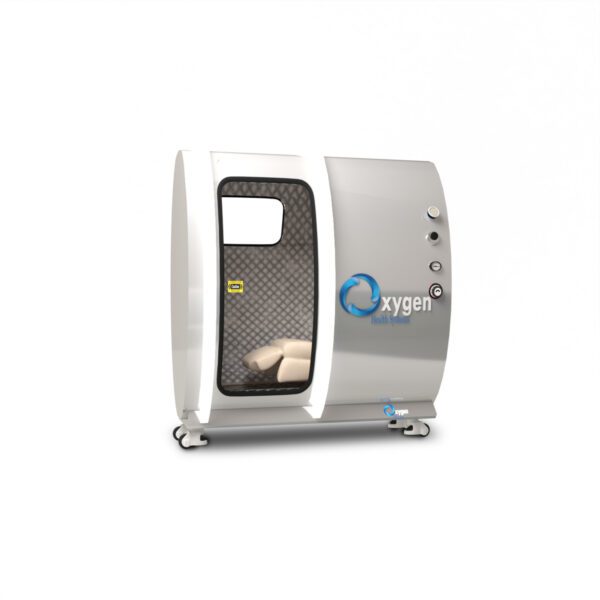
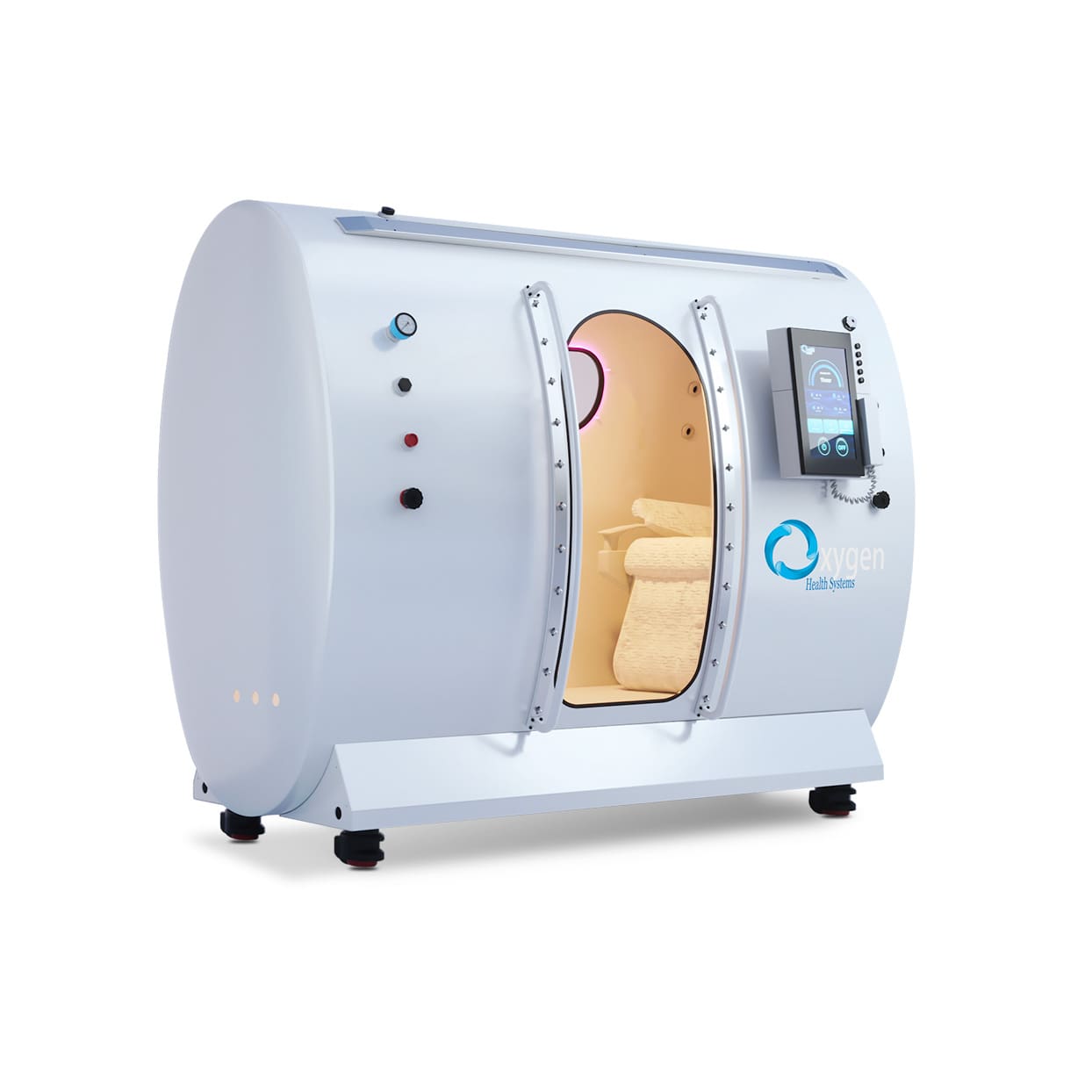

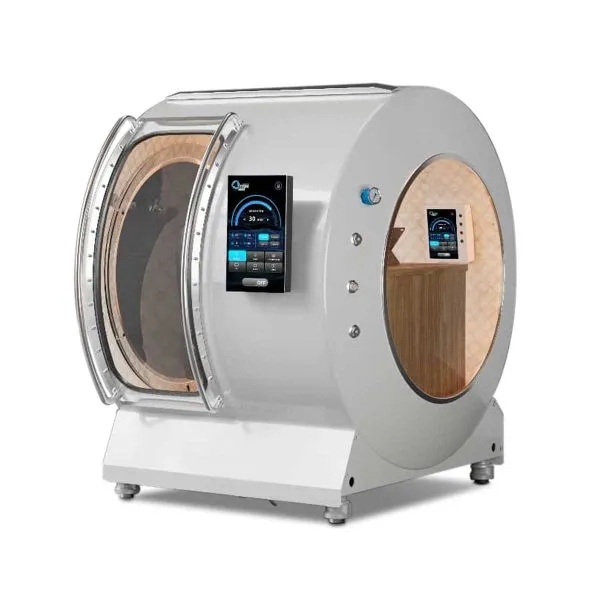
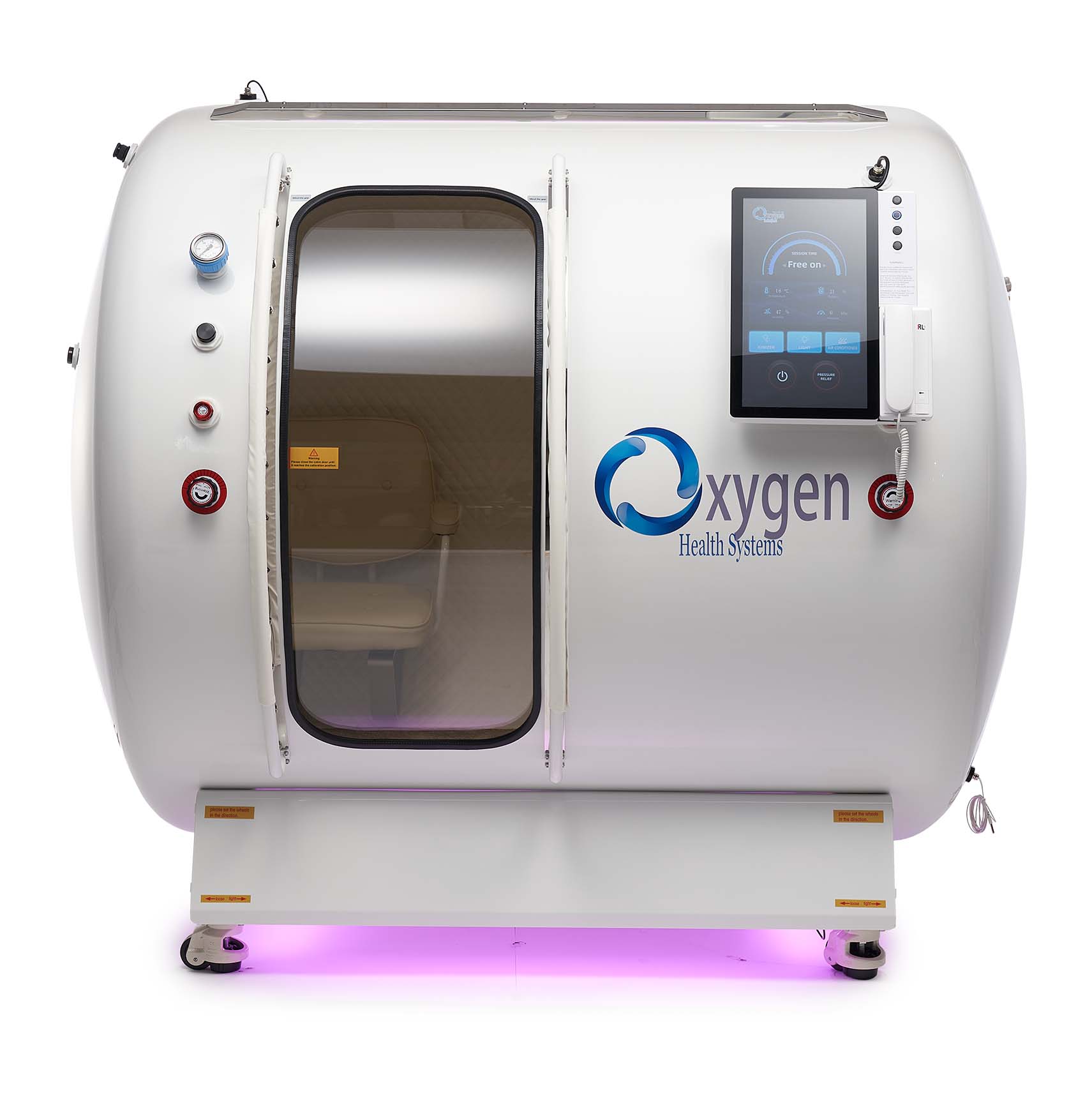
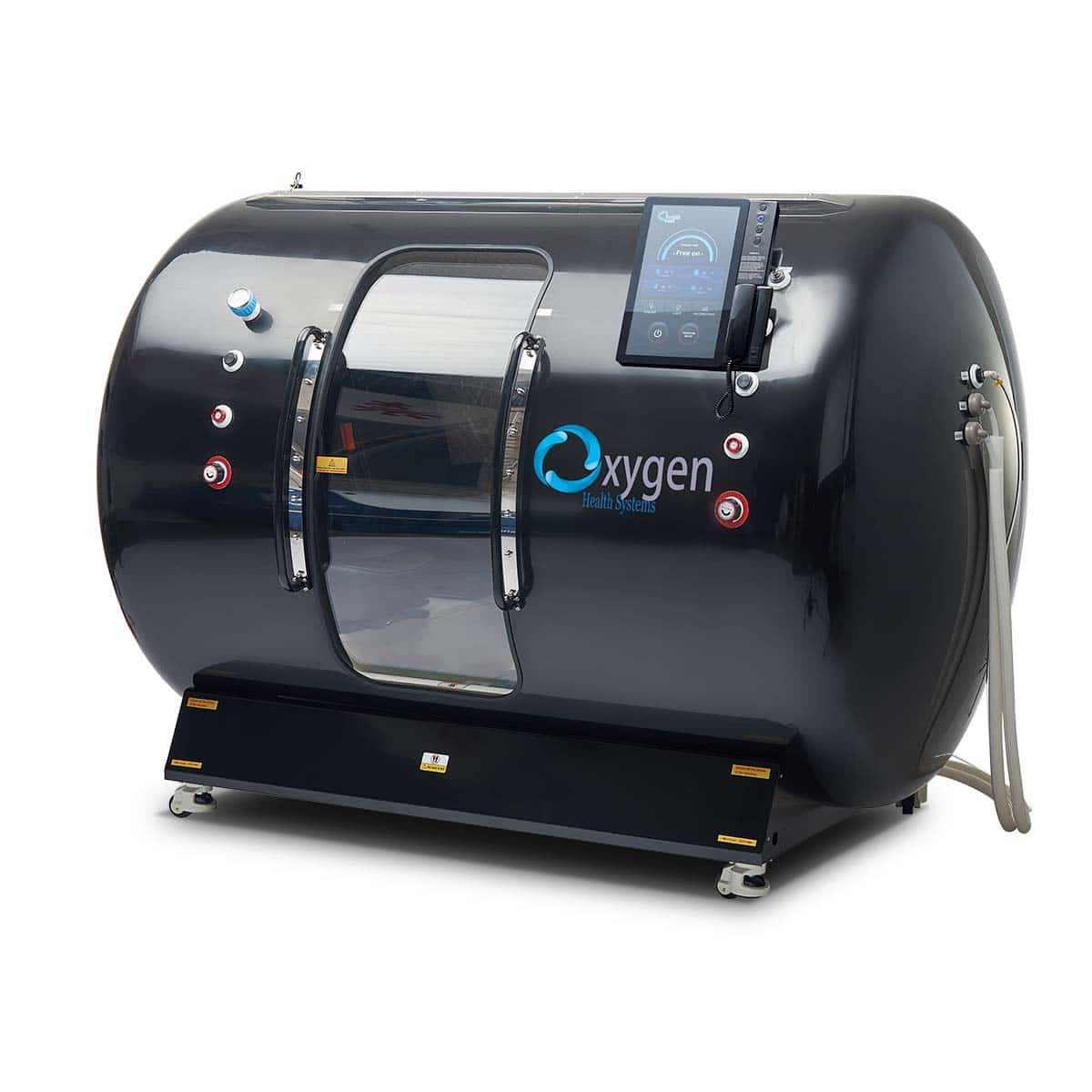

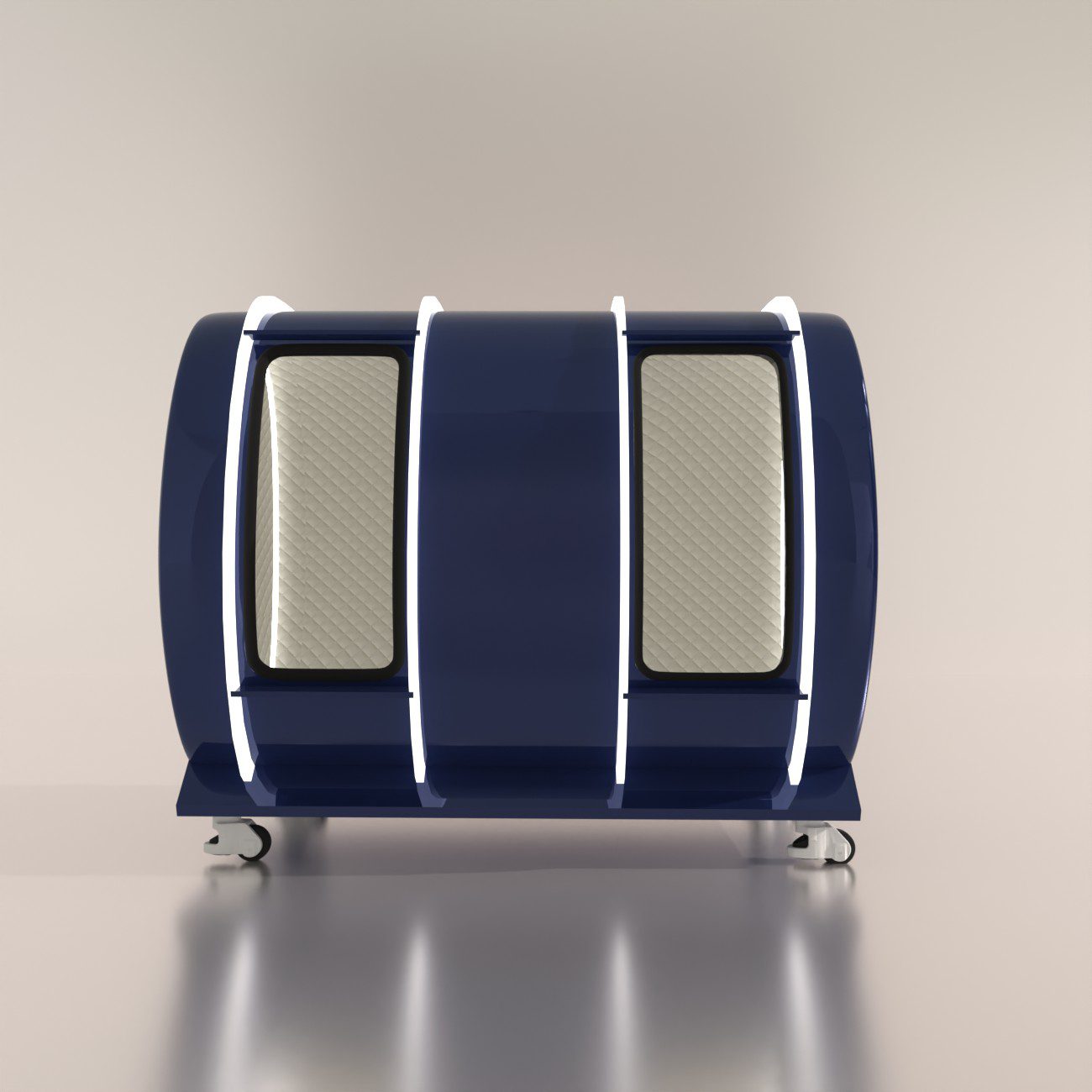
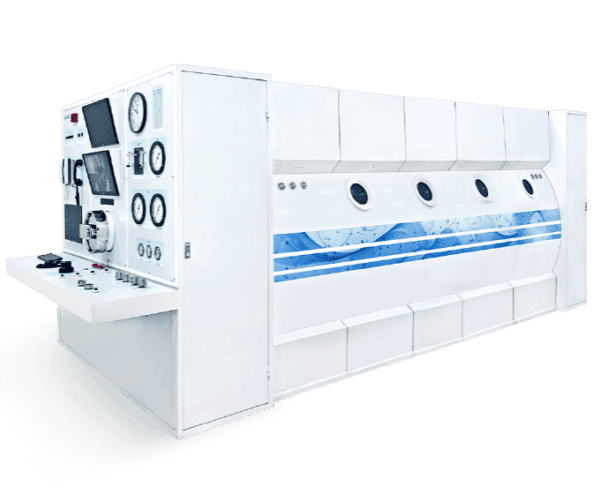
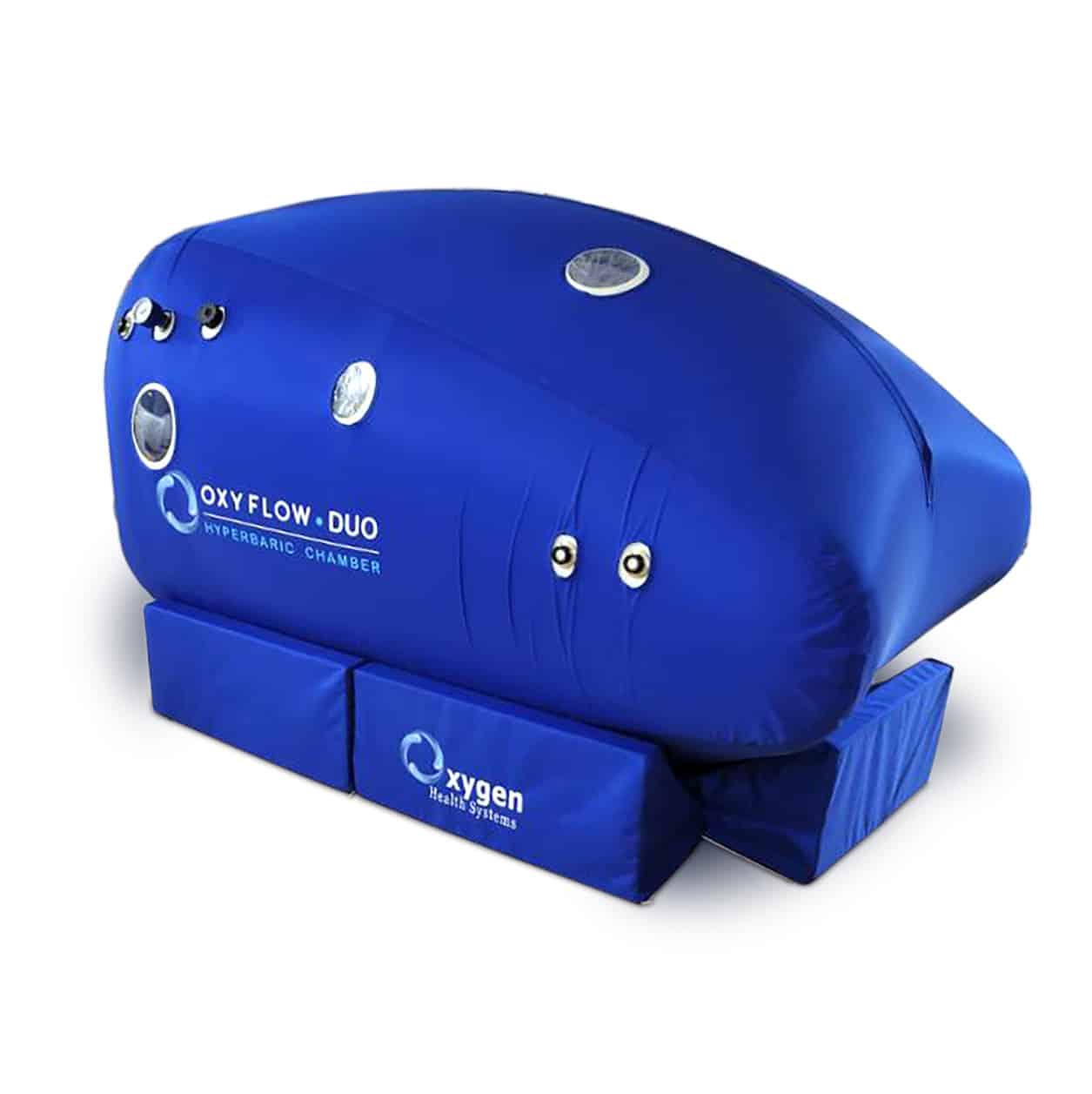
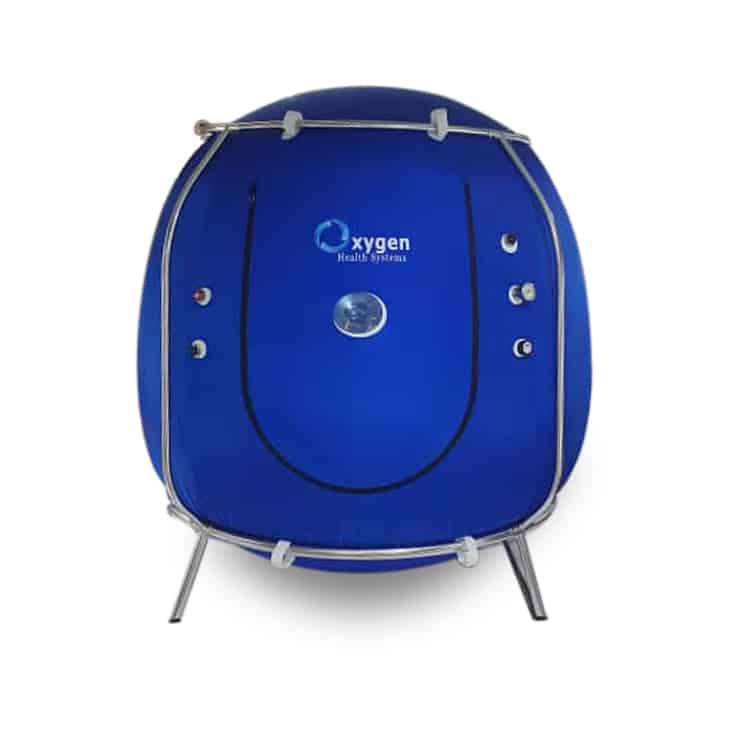

Bringing a hyperbaric-style chamber into a private residence requires more planning than choosing a convenient room. At-Home Hyper Oxygen Chambers should be approached as specialized equipment that requires model-specific instructions, appropriate screening, responsible supervision, and a clear household safety routine. They should not be described as guaranteed ways to improve long-term health or replace professional medical care.
<< See Latest Deals >>
Home systems can differ in pressure capability, chamber construction, entry design, electrical needs, ventilation, oxygen delivery, and maintenance requirements. Because of those differences, the manual for the exact chamber model should always be the main reference for installation and use.
At-Home Hyper Oxygen Chambers Should Begin With Professional Screening and Clear Goals.
Before starting a home routine, each intended user should have appropriate guidance regarding whether chamber use is suitable for them. Ear or sinus problems, respiratory conditions, implanted devices, recent procedures, pregnancy, medications, and other individual factors can affect whether pressurized use is appropriate.
It is also helpful to define realistic goals. A home chamber may be incorporated into a wellness routine, but it should not be treated as a cure-all or as a substitute for sleep, nutrition, exercise, rehabilitation, or prescribed treatment.
At-Home Hyper Oxygen Chambers Should Be Installed According to the Exact Manufacturer Instructions.
Installation requirements can vary significantly between brands and models. Confirm the required floor space, ceiling height, electrical supply, ventilation range, access clearance, and external equipment placement before delivery.
If professional installation or commissioning is available, use it. A trained installer can confirm that the chamber is positioned correctly and can explain the approved start-up, monitoring, and shutdown procedures.
At-Home Hyper Oxygen Chambers Should Have Enough Clearance for Safe Entry and Service.
A chamber should not be squeezed between heavy furniture or pushed against a wall if the manufacturer requires service access. Leave enough room for a supervising person to reach the entry, controls, tubing, and external components without moving objects first.
Clearance also makes cleaning and visual inspection easier. A tidy area helps family members notice worn cables, blocked vents, misplaced accessories, or other issues before use.
At-Home Hyper Oxygen Chambers Should Be Placed on a Stable and Appropriate Surface.
The floor should support the equipment and remain level and stable. Avoid improvised platforms, thick unstable rugs, or raised surfaces unless the manufacturer specifically permits them.
Keep the walking path around the chamber free from cords, boxes, toys, stools, and loose rugs. This is especially important for older adults or anyone who needs assistance entering and exiting.
At-Home Hyper Oxygen Chambers Should Include Accessibility in the Room Plan.
Think about how each person will enter, position themselves, communicate, and exit. Mobility, balance, hearing, vision, and the need for transfer assistance may change what room and chamber configuration works best.
Do not add homemade rails, ramps, transfer devices, or seating without confirming that they are compatible with the chamber and do not interfere with doors, seals, or pressure components.
At-Home Hyper Oxygen Chambers Should Keep Fire Prevention at the Center of Household Rules.
Oxygen-related environments require careful fire precautions. Keep smoking materials, candles, matches, lighters, open flames, hot appliances, and other ignition sources away from the chamber area.
Only approved clothing, bedding, electronics, and accessories should be used in or around the chamber. An item that is safe in an ordinary room may not be appropriate inside a pressurized or oxygen-enriched environment.
At-Home Hyper Oxygen Chambers Should Have a Clear No-Flame and No-Smoking Policy.
Every family member should understand the house rules for the chamber room. A short posted checklist can help reinforce restrictions for guests, teenagers, caregivers, or anyone who does not use the chamber regularly.
Keeping the space controlled is safer than relying on memory. Children should not be allowed to play with valves, zippers, controls, tubing, or external equipment.
At-Home Hyper Oxygen Chambers Should Use the Electrical Supply Specified for the System.
Compressors, concentrators, cooling units, or other approved components may require particular outlets or circuit capacity. Avoid unapproved extension cords, overloaded power strips, or adapters used simply to make the equipment reach a distant outlet.
If there is any doubt about the room's electrical capacity, have it assessed by a qualified electrician before installation. Do not alter plugs, grounding, or wiring on the equipment.
At-Home Hyper Oxygen Chambers Should Keep Tubing and Cables Organized and Visible.
Route hoses and power cords where they will not be stepped on, crushed, sharply bent, or trapped under furniture. Good organization lowers trip risk and makes pre-session inspection faster.
Do not tape over connections or modify tubing in a way the manufacturer has not approved. External components should remain arranged according to the system instructions.
At-Home Hyper Oxygen Chambers Should Consider Room Temperature and Ventilation.
External equipment can create heat, and long sessions in a small enclosed room may become uncomfortable. Follow the manufacturer's environmental limits and provide normal room ventilation without directing unapproved heaters or fans at the chamber.
A comfortable room can make supervised sessions easier to tolerate. Comfort should come from proper room planning and approved accessories rather than from adding unauthorized devices.
At-Home Hyper Oxygen Chambers Should Keep the Interior Simple and Easy to Inspect.
Use only approved cushions, linens, clothing, and personal items. Avoid bringing in unnecessary electronics, charging cables, oils, sprays, or decorative objects unless the manufacturer explicitly permits them.
A simple interior reduces clutter and makes it easier to notice anything unusual. It also gives the supervising person a clearer view of the user and the chamber environment.
At-Home Hyper Oxygen Chambers Should Always Include Responsible Supervision.
A home chamber should not be treated like an ordinary recliner or wellness appliance that can be used casually without oversight. The supervising person should understand the approved operating sequence, communication method, and emergency procedure for the exact system.
Supervision is especially important for children, older adults, people with mobility limitations, or anyone who may have difficulty communicating discomfort or exiting independently.
At-Home Hyper Oxygen Chambers Should Provide a Reliable Communication Method During Use.
The user and supervisor should be able to communicate throughout the session using the method approved by the manufacturer. Do not improvise with unapproved electronic devices inside the chamber.
The supervisor should remain close enough to respond and should not leave the area for errands or unrelated tasks. A session should be treated as monitored equipment use.
At-Home Hyper Oxygen Chambers Should Follow Approved Pressure and Session Parameters.
Pressure and duration are not settings to increase simply because someone wants a stronger effect. Use only the parameters approved for the chamber and for the individual plan.
If ear pain, dizziness, unusual shortness of breath, or another concerning symptom occurs, follow the manufacturer's stop or decompression procedure and seek appropriate assistance rather than adjusting pressure independently.
At-Home Hyper Oxygen Chambers Should Include Ear-Comfort Planning Before Every Session.
Pressure changes can affect the ears and sinuses. Users should understand the approved techniques for equalizing pressure and should not continue when they cannot do so comfortably.
Congestion, recent ear problems, or repeated difficulty with pressure changes are reasons to pause and obtain guidance. Discomfort should not be treated as a normal requirement of the routine.
At-Home Hyper Oxygen Chambers Should Use a Pre-Session Checklist to Reduce Mistakes.
A short checklist helps make safe preparation consistent, especially when several family members share supervision duties.
- Confirm that the chamber area is clear and uncluttered.
- Remove flames, smoking materials, and prohibited devices.
- Check visible cords, hoses, seals, and connections.
- Use only approved clothing, linens, and accessories.
- Confirm that the supervisor is available for the full session.
- Follow the model-specific pre-use inspection in the manual.
At-Home Hyper Oxygen Chambers Should Include Routine Cleaning and Visual Inspection.
Clean the chamber only with products and methods approved by the manufacturer. Certain sprays, oils, solvents, or fabrics may be unsuitable around chamber materials or oxygen-related equipment.
Inspect accessible seals, zippers, windows, tubing, fittings, cords, and external components according to the maintenance schedule. Unauthorized repairs to pressure-containing parts should be avoided.
At-Home Hyper Oxygen Chambers Should Have Maintenance and Service Records.
A simple log can record cleaning, filter changes, inspections, service visits, replacement parts, and any unusual noises or performance changes. This makes it easier to identify what has already been done and what may be due next.
Keep the model number, serial number, manual, supplier contact information, and warranty or service documents together. Organized records are useful when technical support is needed.
At-Home Hyper Oxygen Chambers Should Be Kept Secure From Children and Pets.
Soft-sided chambers in particular may look like places to climb, crawl, or play. Children should not enter the chamber or handle controls without the supervision required for the system.
Pets can also disturb tubing, cords, or equipment. Keeping the room controlled when the chamber is not in use helps protect both the equipment and the household.
At-Home Hyper Oxygen Chambers Should Fit a Sustainable Long-Term Routine.
If the chamber becomes part of an ongoing wellness schedule, the routine should remain manageable. Choose session times when supervision is available, the room is quiet, and the user does not have to rush.
A sustainable plan should not become so rigid that sessions continue despite congestion, discomfort, equipment concerns, or changes in health status. Long-term use works best when safety decisions can override the schedule.
At-Home Hyper Oxygen Chambers Should Not Replace Sleep, Nutrition, Movement, or Medical Care.
Wellness is broader than any single device. Regular sleep, balanced meals, suitable physical activity, stress management, rehabilitation when needed, and appropriate clinical care remain important parts of long-term well-being.
A chamber can be treated as one optional element of a larger routine rather than the center of every health decision.
At-Home Hyper Oxygen Chambers Should Avoid Common Home-Use Mistakes.
Common mistakes include placing the chamber in a room that is too small, blocking service access, using unapproved electrical adapters, bringing prohibited items inside, changing pressure without guidance, and allowing unsupervised use.
- Do not modify hoses, valves, seals, or pressure components.
- Do not use the chamber near open flames or heat sources.
- Do not experiment with pressure or session length.
- Do not assume one family member's routine suits everyone.
- Do not ignore unusual noises, damaged components, or persistent discomfort.
- Do not skip maintenance because the chamber appears to be working normally.
At-Home Hyper Oxygen Chambers Work Best When Long-Term Use Is Guided by Safety and Realistic Expectations.
For long-term home use, the strongest approach is consistent and practical: follow the exact manufacturer instructions, keep the room clear, maintain fire and electrical precautions, use responsible supervision, and review user suitability when circumstances change.
Home ownership also means accepting maintenance responsibilities. Cleaning, inspection, service records, approved replacement parts, and prompt attention to equipment changes should be part of the routine from the beginning.
Families should resist the idea that more pressure, longer sessions, or more frequent use automatically provides greater benefit. Specialized equipment should remain within its approved operating limits and individual guidance.
When a chamber is treated as specialized equipment rather than a casual wellness gadget, it becomes easier to organize its role in the household. Long-term planning should prioritize safe operation, comfort, supervision, maintenance, and realistic expectations every time the system is used.



0 Comments