

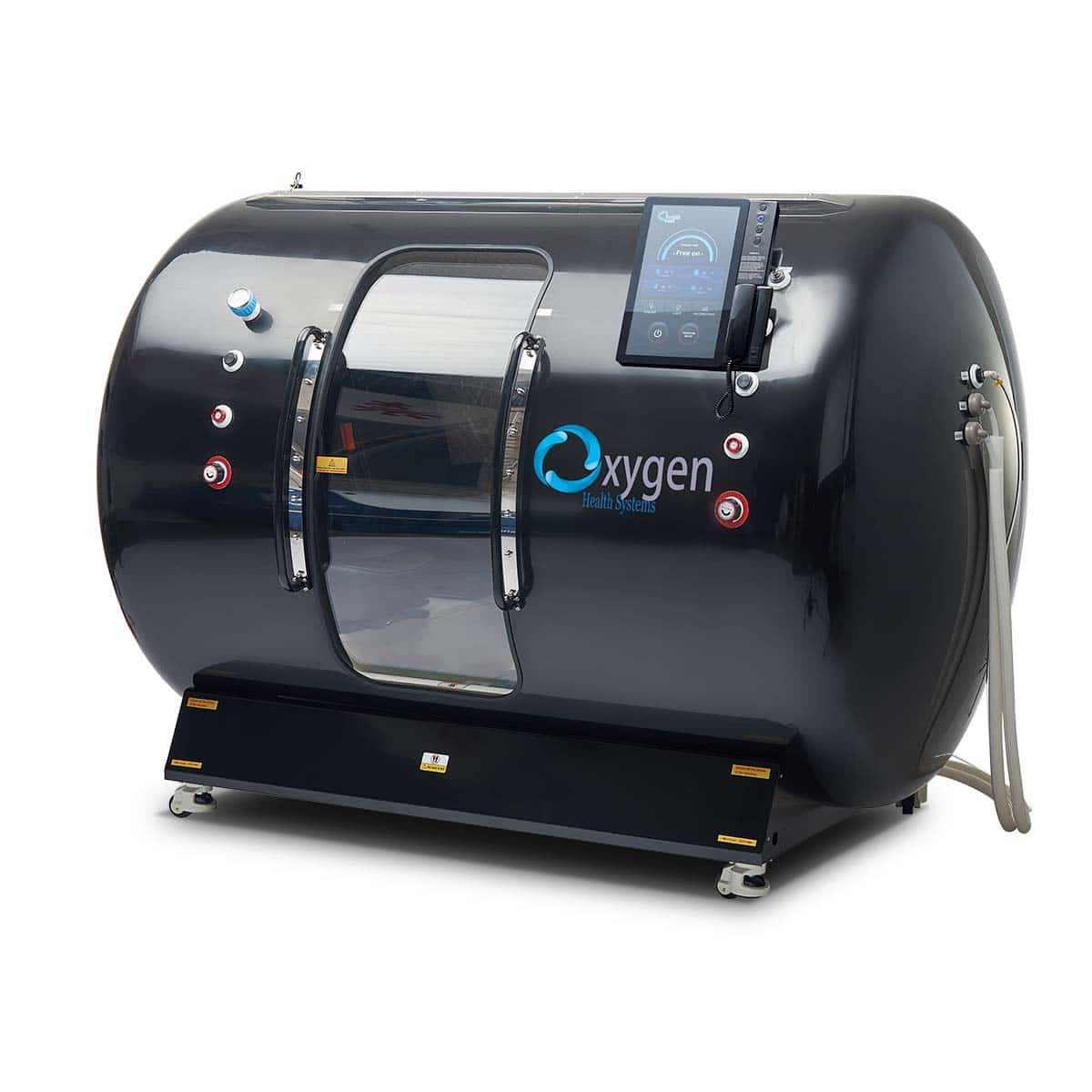

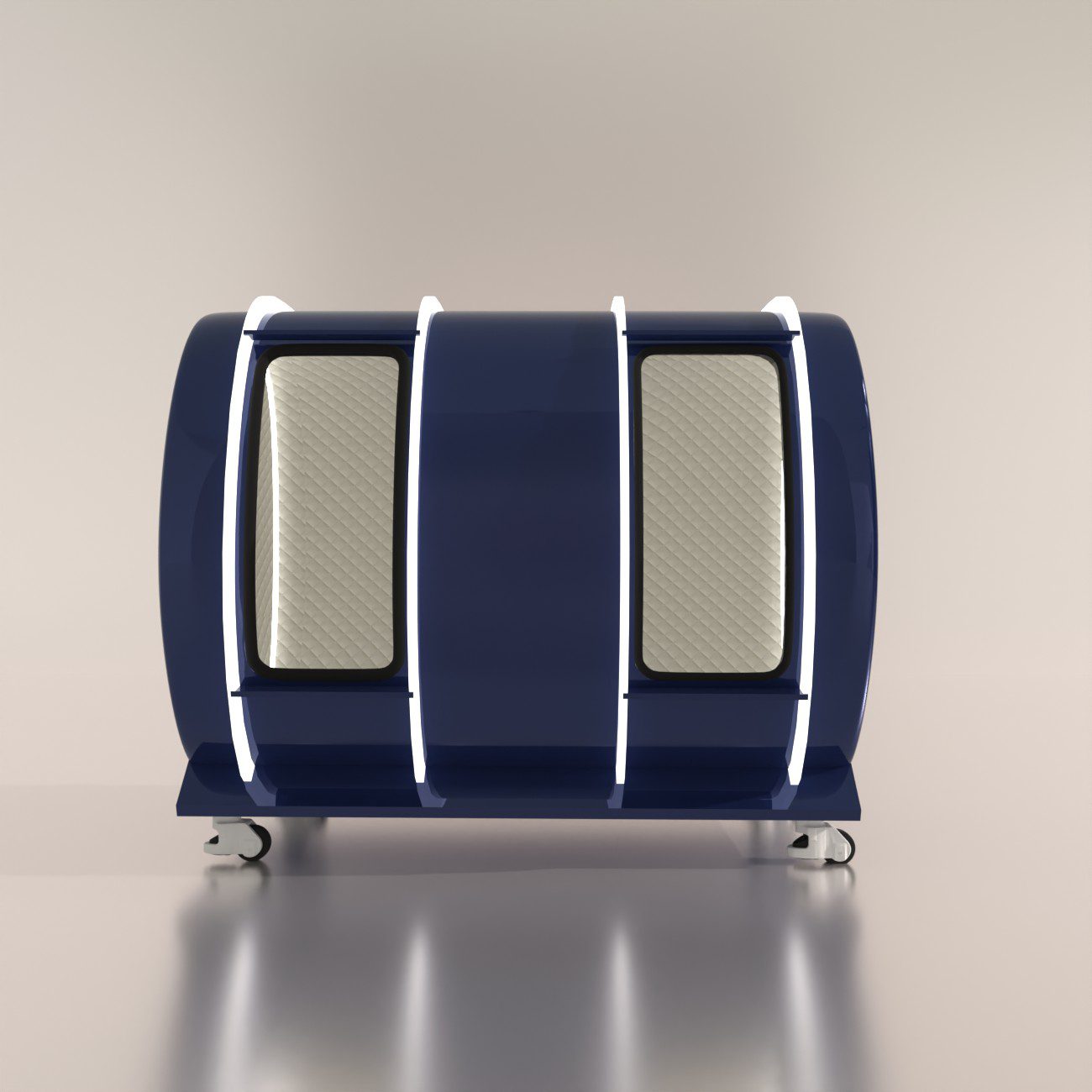
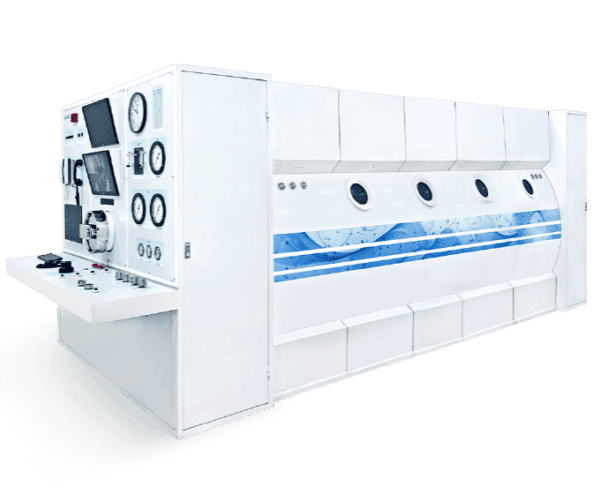
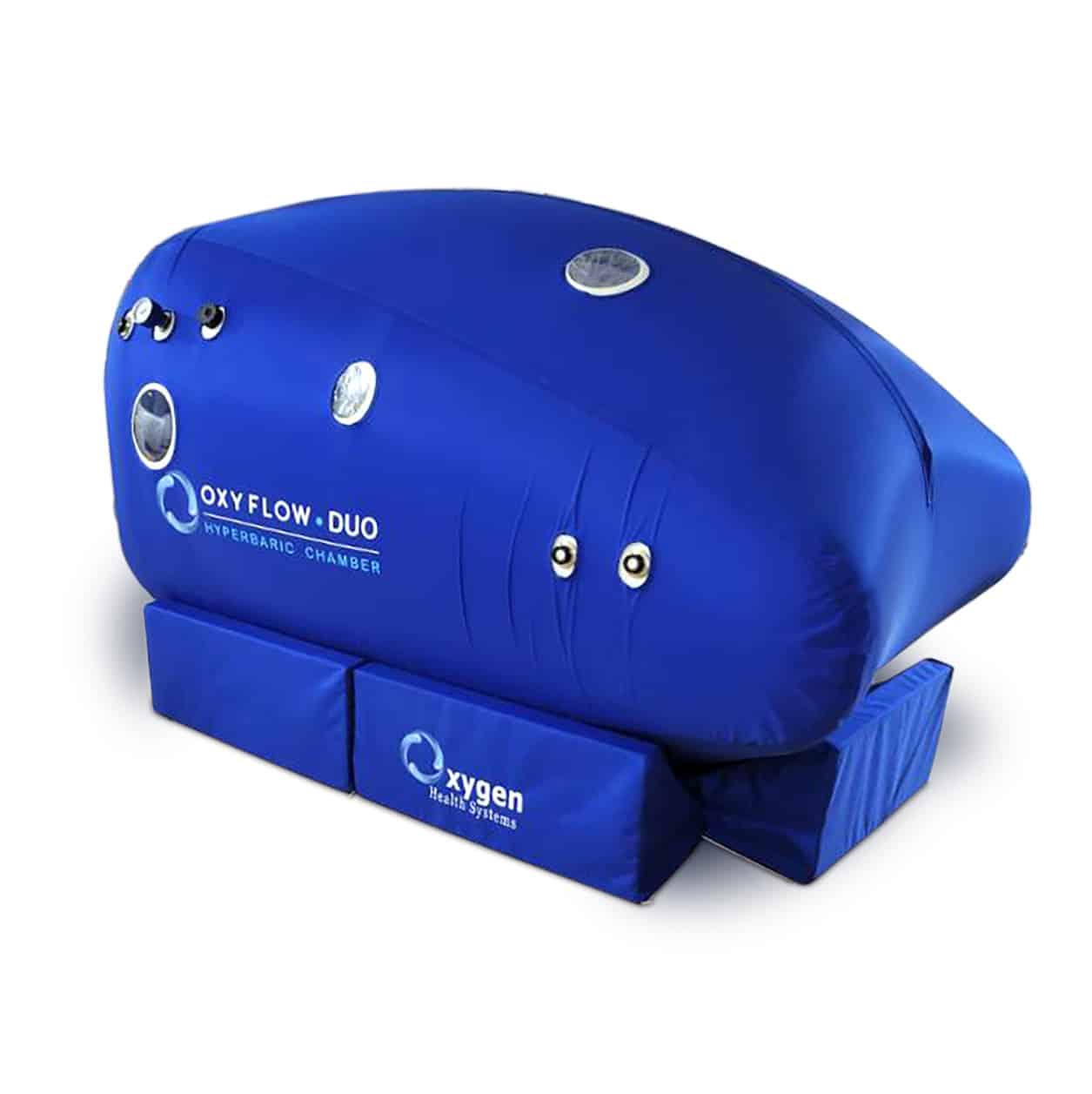
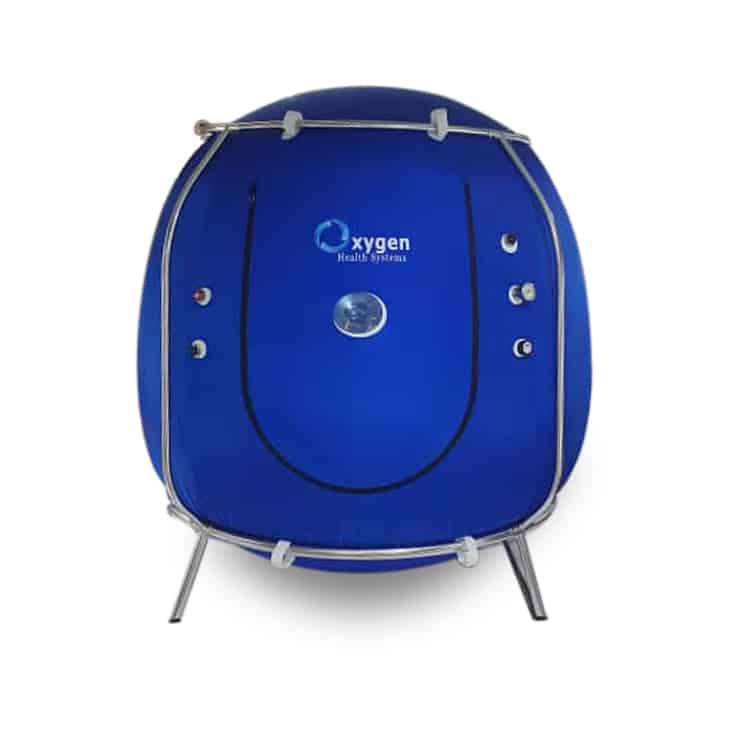

Hyperbaric-style chambers use controlled pressure to create an environment that differs from normal room conditions. Pressure Levels in Hyper Oxygen Chambers matter because pressure influences how a session feels, how equipment must be operated, and which protocols may be appropriate. However, higher pressure should never be assumed to mean better results. The safest approach is to use the chamber only within its approved operating range and according to professionally established instructions.
Different chambers are designed for different purposes, pressure ranges, oxygen-delivery methods, and supervision requirements. A soft-sided wellness chamber is not interchangeable with a clinical hard-sided system, and one person's protocol should not be copied to another. Pressure selection belongs within the specific chamber's instructions and the user's individual care plan.
Pressure Levels in Hyper Oxygen Chambers Should Be Understood Before Any Session Begins.
Pressure in hyperbaric environments is often described using atmospheric pressure terminology. The important point for a user is not memorizing technical numbers, but understanding that the chamber is intentionally creating a controlled change from ordinary ambient pressure.
That change affects the ears, sinuses, gas spaces, oxygen delivery, and the chamber itself. Because of these effects, pressure is a controlled operating parameter rather than a setting to experiment with casually.
Pressure Levels in Hyper Oxygen Chambers Should Match the Chamber's Approved Design.
Every chamber has engineering limits and operating instructions. The manufacturer determines the range for which the system is designed, including seals, valves, windows, pressure controls, and safety features.
Operating beyond those limits can create unnecessary risk and may damage equipment. Users should never modify valves, bypass controls, or attempt to increase pressure beyond the approved specification.
Pressure Levels in Hyper Oxygen Chambers Should Never Be Increased Simply to Chase Stronger Effects.
It is easy to assume that more pressure must produce a more powerful session. Hyperbaric exposure does not work like a volume knob where turning the setting higher automatically creates a better outcome.
Pressure, oxygen concentration, session length, frequency, and individual tolerance all interact. Changing one factor without understanding the rest can make the session less appropriate rather than more useful.
Pressure Levels in Hyper Oxygen Chambers Require Professional Screening When Health Factors Are Involved.
Ear or sinus problems, recent procedures, certain lung conditions, implanted devices, medication changes, or other health factors may influence whether a pressurized session is appropriate. Screening helps identify issues before a person enters the chamber.
Relevant changes should be reported before treatment rather than waiting for discomfort to appear during compression. Previous tolerance does not guarantee that every later session will feel the same.
Pressure Levels in Hyper Oxygen Chambers Can Affect Ear and Sinus Comfort During Compression.
As chamber pressure changes, the ears and sinuses must adjust. Some people notice fullness or mild pressure, particularly during compression and decompression.
Approved equalization techniques may help, but significant pain should be reported immediately. A session should not continue simply because someone feels obligated to reach a particular pressure.
Pressure Levels in Hyper Oxygen Chambers Should Be Reached Gradually According to the Approved Protocol.
Controlled compression gives the user time to adapt to pressure changes and communicate any discomfort. The rate is part of the session protocol and should be managed by the supervising person or system instructions.
Rushing compression to shorten the session can make ear and sinus adjustment more difficult. Comfort and communication are more important than reaching the target quickly.
Pressure Levels in Hyper Oxygen Chambers Should Be Reduced or Paused When Equalization Becomes Difficult.
If ear pressure cannot be cleared comfortably, the appropriate response is to communicate the problem rather than forcefully continuing. The operator can follow the approved procedure for slowing, pausing, or changing the session.
Forceful equalization is not a substitute for proper pressure management. Pain is useful information and should not be treated as a test of endurance.
Pressure Levels in Hyper Oxygen Chambers Work Together With Session Duration and Frequency.
Pressure is only one part of a hyperbaric protocol. Session length and frequency also matter, which is why two programs cannot be compared by pressure alone.
A shorter session at one setting is not automatically equivalent to a longer session at another. The complete protocol needs to be considered rather than focusing on a single number.
Pressure Levels in Hyper Oxygen Chambers Should Not Be Adjusted to Make Up for Missed Sessions.
Missing a scheduled session does not justify increasing pressure or extending the next session without guidance. Hyperbaric exposure should remain within the planned protocol.
If scheduling changes occur, the appropriate response is to discuss the plan with the supervising provider rather than creating a stronger replacement session independently.
Pressure Levels in Hyper Oxygen Chambers Should Be Considered Alongside Oxygen Delivery.
Different chambers may deliver oxygen in different ways. Some systems use masks or hoods, while others may have different oxygen arrangements depending on their design and intended setting.
Pressure and oxygen concentration are separate variables. A pressure number alone does not explain the total oxygen exposure, which is another reason users should avoid comparing chambers based only on advertised pressure.
Pressure Levels in Hyper Oxygen Chambers Should Be Discussed With Clear, Non-Exaggerated Expectations.
Marketing sometimes presents higher-pressure equipment as automatically superior. That comparison can be misleading because chamber design, protocol, supervision, oxygen delivery, maintenance, and the reason for use all matter.
The best system is not necessarily the one with the largest number on the specification sheet. It is the one that is appropriate for the intended purpose and operated correctly.
Pressure Levels in Hyper Oxygen Chambers Require Consistent Monitoring During Every Session.
Users should have a reliable way to communicate during treatment. Operators should pay attention to comfort, equipment behavior, pressure progression, and any unexpected symptoms.
Monitoring remains important even when a person has completed many previous sessions. Familiarity should improve routine, not reduce attention to safety.
Pressure Levels in Hyper Oxygen Chambers Should Be Recorded When Session Documentation Is Required.
Clinics and organized wellness programs may document session details such as date, duration, pressure protocol, user tolerance, and relevant observations. Consistent records make it easier to review the program over time.
Documentation also helps avoid relying on memory when equipment, schedules, or protocols change.
Pressure Levels in Hyper Oxygen Chambers Depend on Reliable Equipment Maintenance.
A chamber is a pressure system, so seals, valves, gauges, connections, windows, hoses, and other components need appropriate inspection and maintenance. Damage or unusual behavior should not be ignored.
Maintenance should follow the manufacturer's schedule and approved service procedures. Users should not improvise repairs to pressure-control components.
Pressure Levels in Hyper Oxygen Chambers Should Not Be Trusted When Gauges or Controls Appear Faulty.
If a gauge behaves unexpectedly, the chamber does not hold pressure normally, or a control responds differently than usual, stop using the system until it can be evaluated.
A session is not worth completing when the operator cannot confidently verify what the chamber is doing.
Pressure Levels in Hyper Oxygen Chambers Require Strict Fire-Safety Practices.
Pressurized oxygen-related environments demand careful control of ignition sources and materials. Follow the chamber-specific rules for clothing, linens, electronics, personal-care products, batteries, and other items.
Do not bring unapproved devices into the chamber simply because they seem harmless. Fire-safety rules remain important at every pressure setting.
Pressure Levels in Hyper Oxygen Chambers Should Be Part of a Standard Pre-Session Checklist.
- Confirm that the chamber has no visible damage or unusual behavior.
- Verify that pressure controls and communication systems are functioning normally.
- Remove prohibited electronics, ignition sources, and unapproved personal items.
- Use only approved clothing, linens, masks, and accessories.
- Report congestion, ear problems, medication changes, or new symptoms.
- Confirm the planned session protocol before compression begins.
A checklist helps prevent routine familiarity from turning into skipped safety steps. The same basic review should happen even when the user and operator know the equipment well.
Pressure Levels in Hyper Oxygen Chambers Should Be Adjusted Only Through Approved Clinical or Operational Decisions.
Pressure changes should have a clear reason and should remain within the chamber's approved protocol. Users should never alter settings because an online discussion, another chamber owner, or a social media post recommends a stronger session.
Individual protocols can differ because the intended use, equipment, health history, and supervision differ. What is appropriate in one setting may not be appropriate in another.
Pressure Levels in Hyper Oxygen Chambers Should Not Be Compared Without Considering Chamber Type.
Soft chambers, hard chambers, clinical systems, and wellness systems can differ substantially in construction and intended use. Comparing one pressure number across all of them can create a false sense that they are directly interchangeable.
Look at the complete system: chamber type, approved operating range, oxygen method, supervision, service requirements, and intended protocol.
Pressure Levels in Hyper Oxygen Chambers Should Fit a Calm and Predictable Session Routine.
A consistent routine can reduce unnecessary anxiety. Arriving prepared, using the restroom beforehand when appropriate, wearing approved clothing, and reviewing communication signals can make the session smoother.
Users who feel tense may also find it harder to equalize ear pressure. A calm pace and clear communication can make compression more comfortable.
Pressure Levels in Hyper Oxygen Chambers Should Avoid Common Operating Mistakes.
- Do not increase pressure independently to seek faster or stronger results.
- Do not bypass valves, locks, alarms, or pressure-control systems.
- Do not continue compression when significant ear or sinus pain develops.
- Do not copy another person's session protocol without appropriate guidance.
- Do not extend session duration to compensate for a missed appointment.
- Do not use damaged equipment or unreliable gauges.
- Do not bring prohibited electronics or ignition sources into the chamber.
- Do not treat higher pressure as proof that one chamber is automatically better.
Another common mistake is focusing entirely on the target pressure while ignoring how the user feels during compression and decompression. A technically completed session is not a successful session if warning signs or equipment concerns were ignored along the way.
Pressure Levels in Hyper Oxygen Chambers Produce the Best Experience When Safety and Protocol Come First.
These pressure settings are important because they influence chamber operation, user comfort, oxygen exposure, and the overall session protocol. But optimization does not mean selecting the highest setting available. It means using the appropriate pressure for the specific chamber, purpose, and individual under the correct supervision.
The safest routine includes gradual compression, early communication about ear or sinus discomfort, reliable monitoring, strict fire-safety practices, and equipment maintenance. Pressure, oxygen delivery, session duration, and frequency should be considered together rather than as isolated numbers.
Users should never bypass controls, modify valves, or increase settings independently. When a protocol needs to change, that decision should be made within approved operating instructions and appropriate professional guidance.
For long-term use, consistency is more valuable than experimentation. A chamber that is operated correctly, maintained properly, and used within an appropriate protocol provides a more dependable experience than one pushed beyond its intended settings in pursuit of stronger results.



0 Comments