
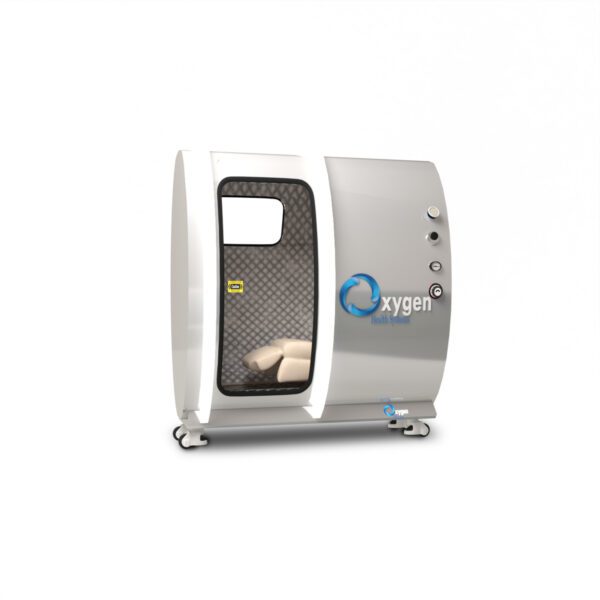
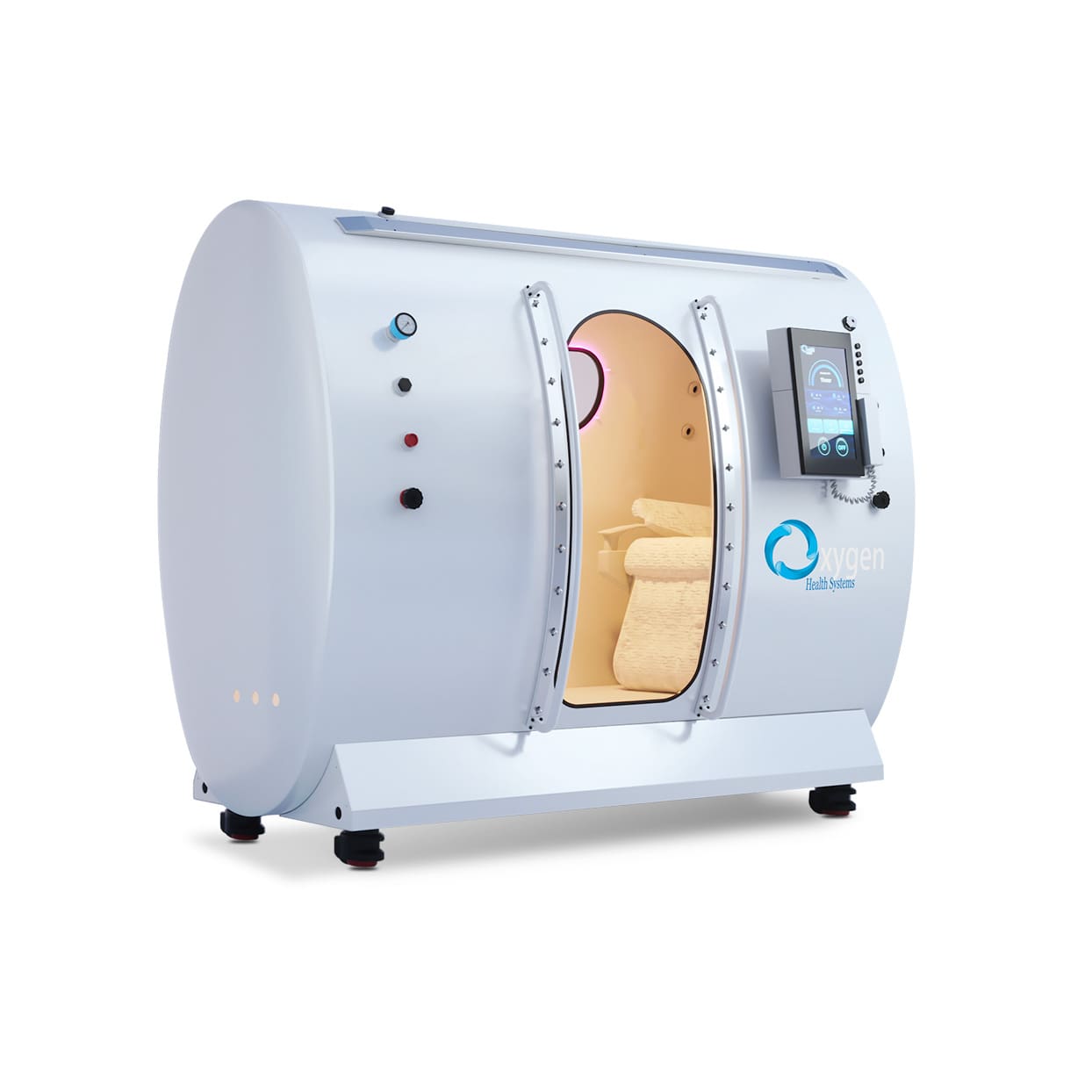

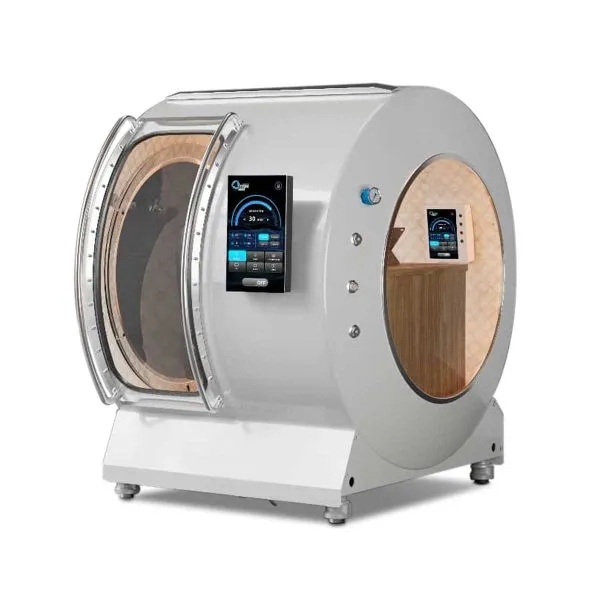
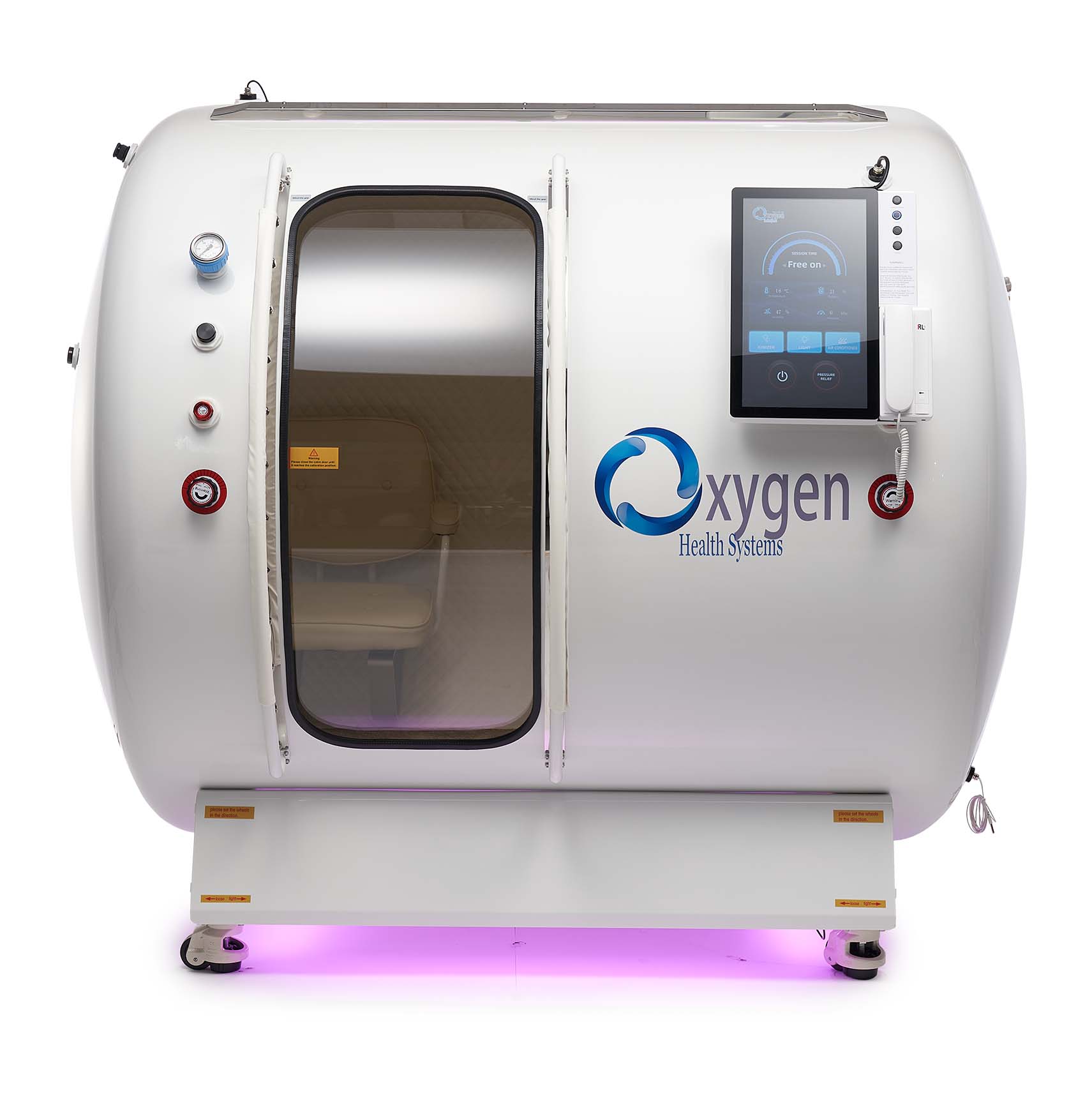
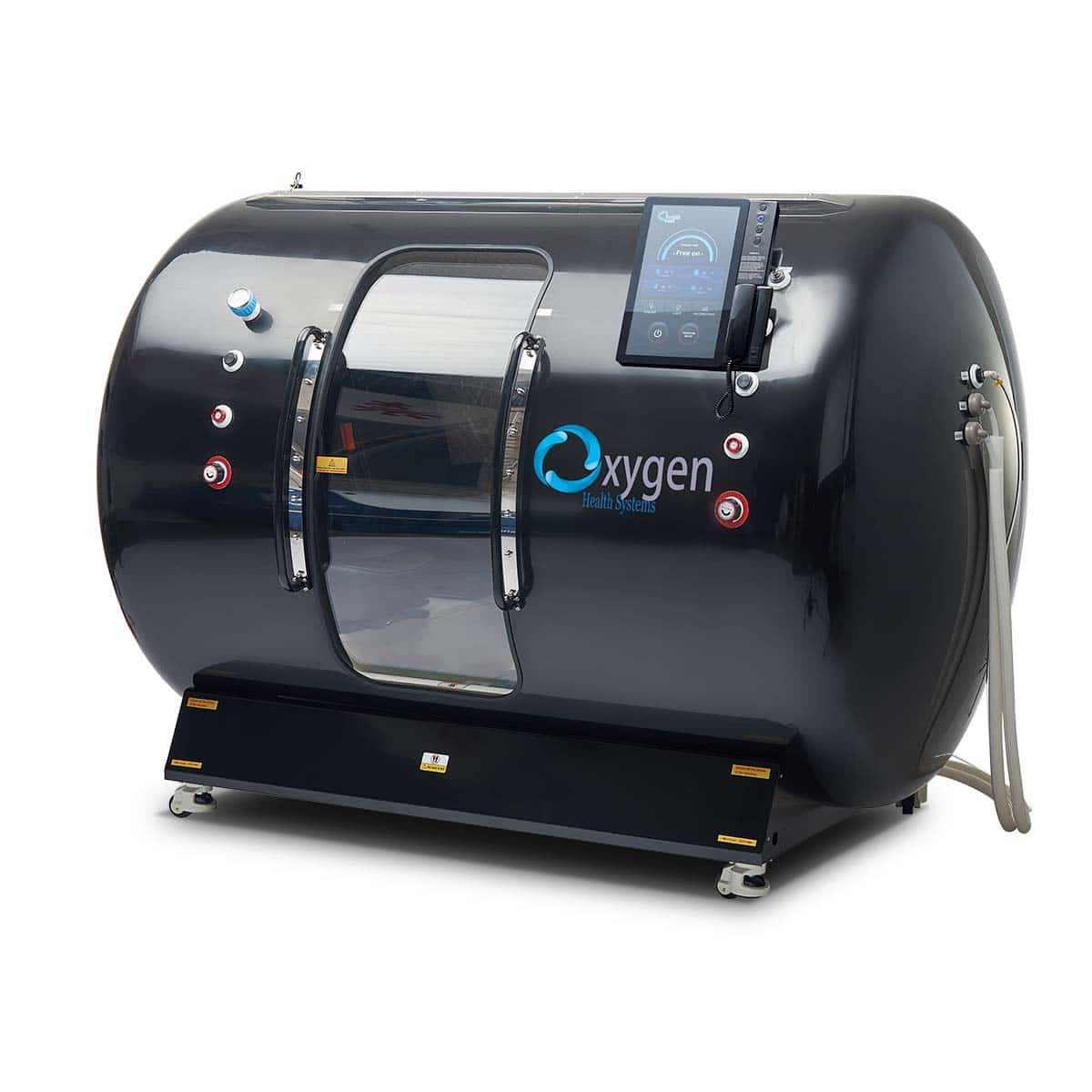

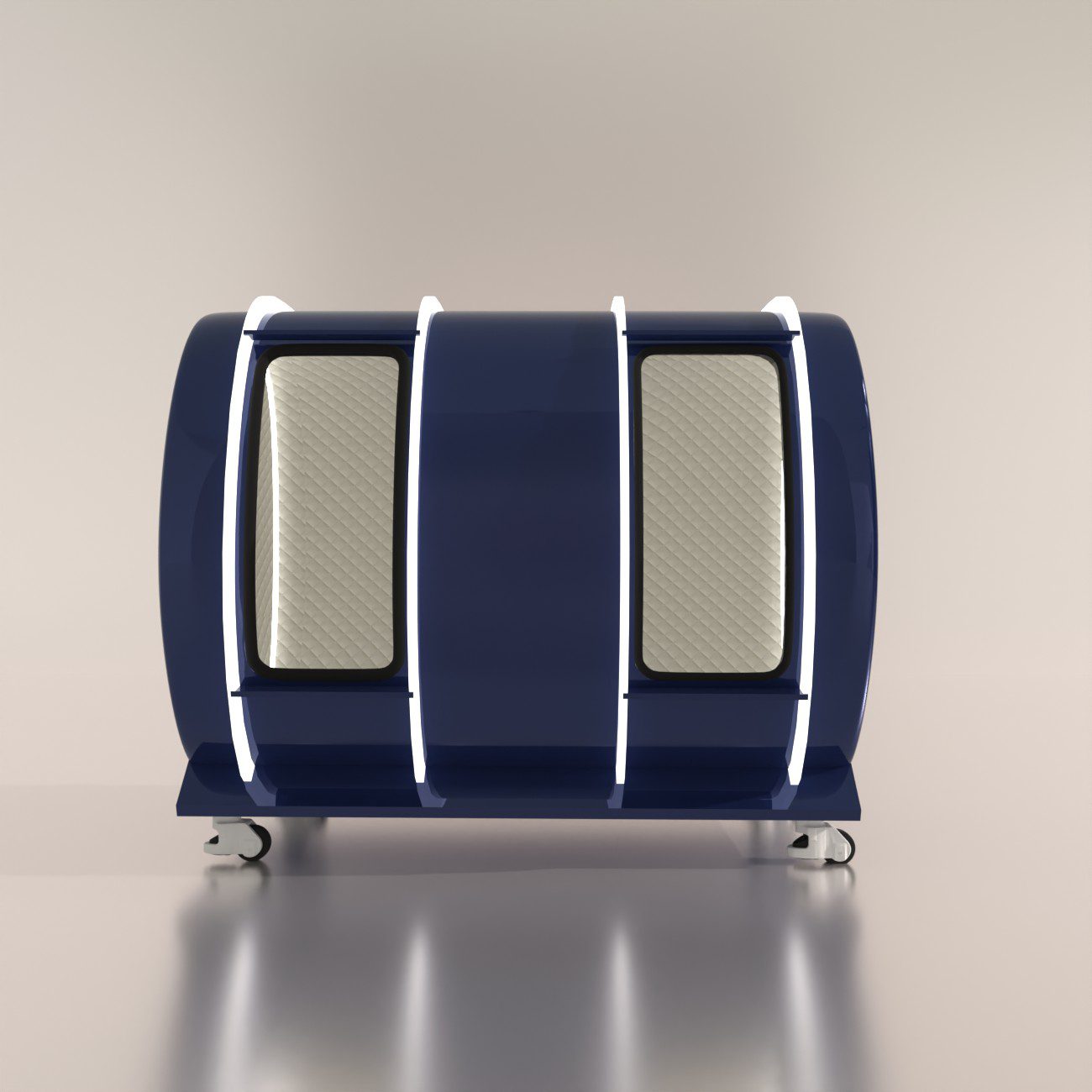
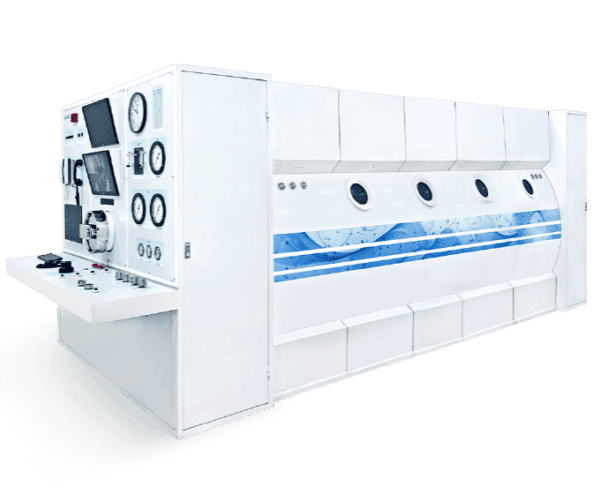
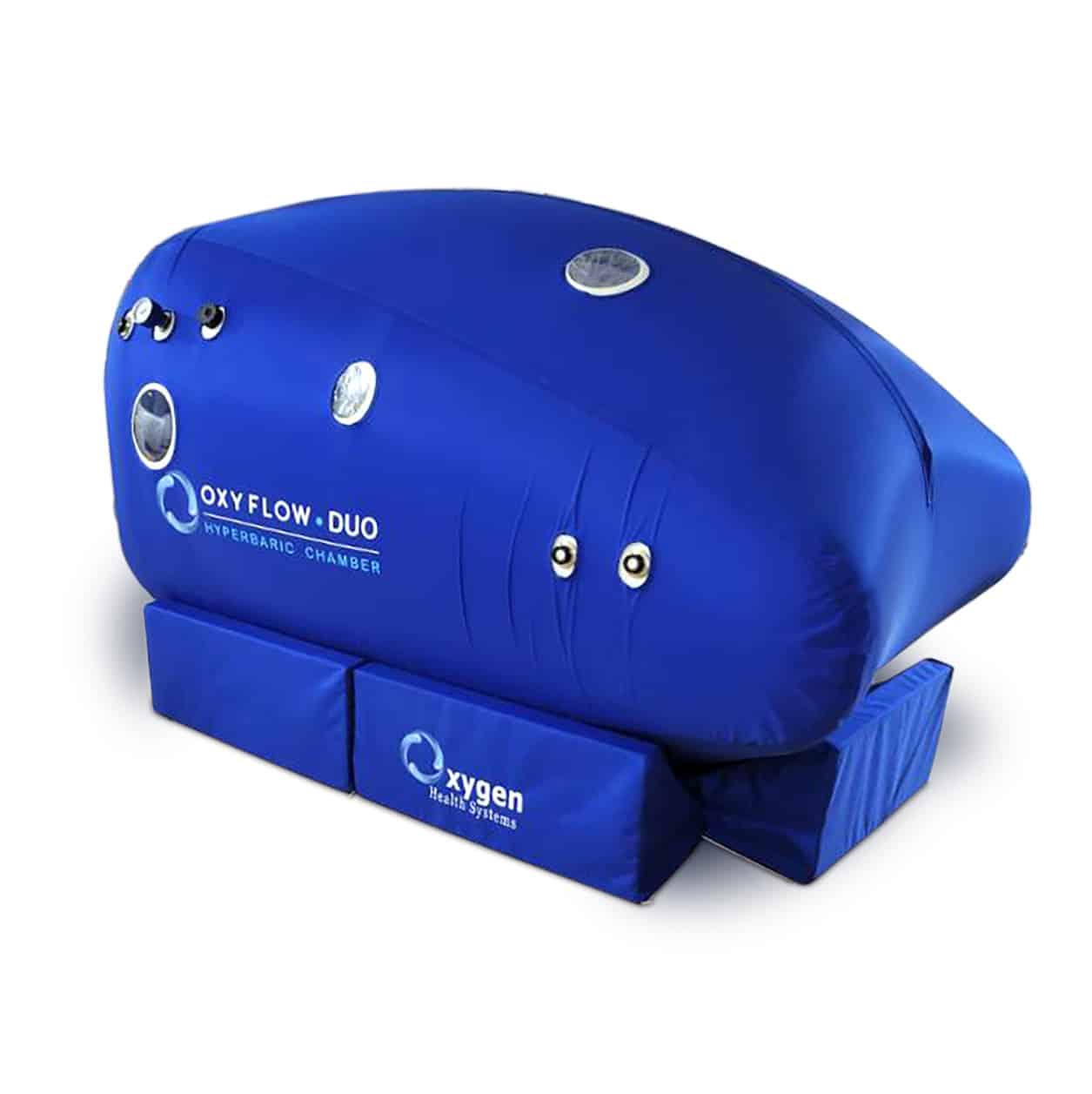
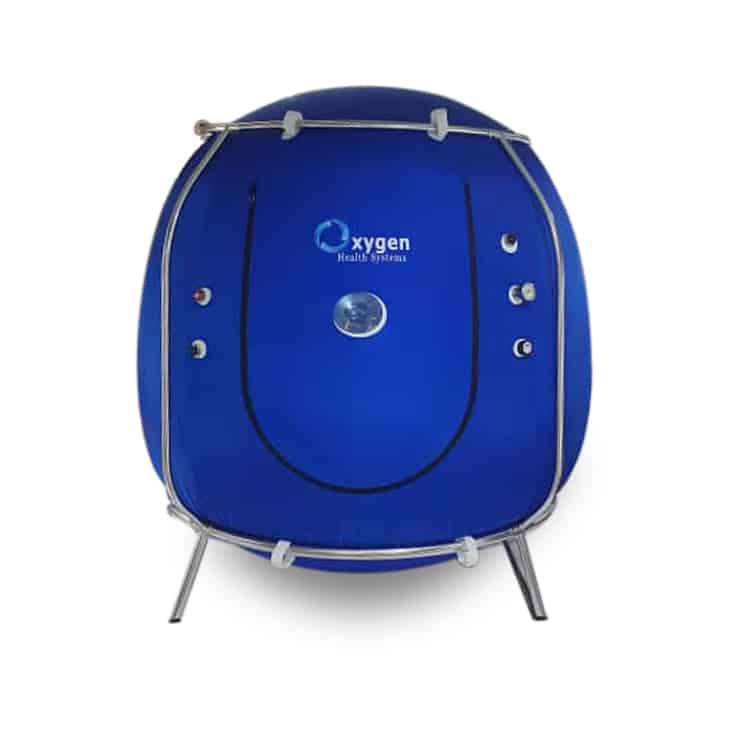

Interest in healthy aging has expanded far beyond skincare and supplements. Many adults now look at sleep, exercise, nutrition, stress management, mobility, and recovery as connected parts of long-term vitality. Anti-Aging and Oxygen Chambers are sometimes discussed within this broader wellness conversation, especially among people interested in energy, exercise recovery, or maintaining an active lifestyle. However, chamber use should not be presented as a guaranteed way to reverse aging, restore youth, or improve physical performance.
<< Check Price & Availability >>
Hyperbaric and pressurized oxygen environments involve specialized equipment, defined pressure ranges, oxygen-delivery systems, and important operating procedures. Anyone considering this type of wellness routine should focus first on appropriate screening, manufacturer-approved settings, trained supervision, and realistic expectations. Healthy aging still depends heavily on everyday habits that support strength, mobility, sleep, nutrition, and social wellbeing.
Anti-Aging and Oxygen Chambers Should Be Viewed as One Part of a Broader Healthy-Aging Routine.
Aging is influenced by genetics, environment, activity, nutrition, sleep, stress, medical history, and many other factors. No single device can control all of these variables. A chamber may fit into a recovery or wellness plan for some people, but it should remain one optional element rather than the center of an anti-aging strategy.
Before adding specialized equipment, review the basics. Regular movement, resistance training, adequate protein, enough sleep, hydration, and meaningful social connection can all contribute to how energetic and capable a person feels over time.
Anti-Aging and Oxygen Chambers Should Not Be Marketed as a Way to Reverse Biological Aging.
Words such as “rejuvenation,” “age reversal,” and “cellular renewal” can sound impressive in advertising, but they can also create unrealistic expectations. Aging is complex, and visible or subjective changes do not prove that biological aging has been reversed.
A more responsible approach is to evaluate whether chamber use fits comfortably into a wellness routine, whether the equipment is operated safely, and whether the person still prioritizes proven daily habits that support function and independence.
Anti-Aging and Oxygen Chambers Should Use Only Manufacturer-Approved Pressure Settings.
Pressure is one of the most important technical features of a chamber, yet higher pressure should never be assumed to mean better results. Different models have different construction, operating limits, control systems, and approved procedures.
Do not alter valves, regulators, seals, software, or pressure controls in an attempt to intensify a session. The correct setting should come from the exact chamber documentation and the supervised protocol being followed.
Anti-Aging and Oxygen Chambers Should Follow Model-Specific Session Duration and Frequency.
Session length and frequency should not be copied from another person, social media post, or unrelated chamber model. Longer sessions are not automatically more useful, and adding extra sessions because someone wants faster results can create unnecessary risk or discomfort.
Consistency within an approved plan is more important than increasing exposure. The equipment should be used as designed, with changes made only through appropriate professional and manufacturer guidance.
Anti-Aging and Oxygen Chambers Should Begin With Appropriate Screening Before Use.
Pressure changes affect the ears, sinuses, lungs, and other body systems. Screening helps identify factors that may affect comfort or suitability, including congestion, recent illness, respiratory concerns, medications, previous pressure-related problems, and other relevant conditions.
People should disclose changes in health before a session instead of assuming that a routine that was comfortable previously will always remain appropriate. Screening is part of responsible use, not an inconvenience to skip.
Anti-Aging and Oxygen Chambers Should Treat Ear and Sinus Comfort as a Priority.
Compression can create fullness or pressure in the ears. The chamber should pressurize gradually according to the approved procedure, and discomfort should be reported early rather than tolerated in silence.
Never force equalization. If ear or sinus pain develops, pause and follow the operator’s instructions. Congestion can make pressure changes harder to tolerate, so timing matters.
Anti-Aging and Oxygen Chambers Should Include Reliable Communication During Every Session.
The person inside the chamber should have a dependable way to communicate with the operator or supervising staff. Before the session starts, both parties should understand how to request assistance and what to do if discomfort, anxiety, or equipment concerns appear.
Clear communication becomes especially important for new users or anyone who feels uncertain in enclosed spaces. A session should never depend on improvised communication methods.
Anti-Aging and Oxygen Chambers Should Keep Fire Safety at the Center of Every Operating Routine.
Pressure and oxygen-related environments require strict attention to ignition sources and approved materials. Follow the manufacturer’s rules for clothing, linens, electronics, personal-care products, accessories, and cleaning materials.
Do not bring flames, smoking materials, prohibited electronics, unapproved oils, or other restricted items into the chamber environment. Safety rules should remain consistent whether the chamber is used in a clinic, wellness center, athletic facility, or private setting.
Anti-Aging and Oxygen Chambers Should Be Paired With Resistance Training for Long-Term Physical Function.
Maintaining strength is an important part of staying active with age. Resistance training can support muscle, balance, mobility, and confidence in everyday tasks. Exercises can be adapted to different fitness levels using body weight, resistance bands, machines, or free weights.
A chamber session cannot replace progressive exercise. People interested in vitality should treat strength work as a central habit and recovery technology as optional support.
Anti-Aging and Oxygen Chambers Should Not Be Used to Push Through Unexplained Pain or Excessive Fatigue.
Recovery tools can create a temptation to keep training when the body is signaling that something needs attention. Sharp pain, worsening discomfort, unusual fatigue, swelling, or a noticeable decline in performance should not simply be covered with more recovery sessions.
Rest, workload adjustment, and appropriate evaluation may be more important than adding another wellness modality.
Anti-Aging and Oxygen Chambers Should Be Supported by Adequate Protein and Balanced Nutrition.
Healthy aging requires enough energy and protein to support normal tissue maintenance and daily activity. Fish, poultry, eggs, dairy foods, beans, lentils, tofu, tempeh, nuts, and seeds can all contribute depending on preference.
Vegetables, fruit, whole grains, and healthy fats add fiber, vitamins, minerals, and variety. A chamber cannot compensate for chronic under-eating or a diet that lacks basic nutritional balance.
Anti-Aging and Oxygen Chambers Should Be Combined With Sensible Hydration Rather Than Extreme Fluid Intake.
Hydration supports normal circulation, temperature regulation, and physical performance, but there is no need to force excessive water before or after a chamber session. Fluid needs vary with activity, climate, diet, medications, and individual circumstances.
Drink regularly throughout the day and consider additional fluids when activity or heat increases losses. Avoid using hydration as another area for extreme wellness rules.
Anti-Aging and Oxygen Chambers Should Not Replace Consistent and Restorative Sleep.
Sleep affects mood, reaction time, appetite, recovery, concentration, and how energetic someone feels the next day. A person who repeatedly sleeps too little should address that problem directly instead of expecting technology to compensate.
A regular sleep schedule, a dark and comfortable bedroom, sensible caffeine timing, and reduced late-night stimulation can support a more stable recovery routine.
Anti-Aging and Oxygen Chambers Can Fit Into a Recovery Schedule When Session Timing Is Practical.
Session timing should not interfere with meals, exercise, work, or bedtime. If a late appointment causes someone to skip dinner or lose sleep, the routine may undermine the broader goal of vitality.
Choose a schedule that fits naturally into the day and is easy to repeat without creating stress or unnecessary travel burden.
Anti-Aging and Oxygen Chambers Should Be Evaluated With Simple and Realistic Wellness Goals.
Instead of expecting dramatic rejuvenation, define a modest goal such as evaluating whether the routine feels comfortable, whether it fits a recovery schedule, or whether it supports a structured period of rest.
Track only a few factors, such as session timing, sleep, exercise load, perceived energy, and any pressure-related discomfort. This creates useful context without turning the routine into a complicated self-experiment.
Anti-Aging and Oxygen Chambers Should Not Be Judged by One Particularly Good or Bad Session.
Energy and performance change from day to day. Sleep, meals, stress, training, travel, and mood can all influence how someone feels after a session.
One experience should not be treated as proof that the chamber either works perfectly or has no value. Look for consistent patterns and keep expectations grounded.
Anti-Aging and Oxygen Chambers Should Include Preventive Maintenance and Routine Equipment Checks.
Reliable operation depends on regular inspection. Seals, doors or zippers, hoses, gauges, pressure controls, compressors, filters, communication systems, and other components should be maintained according to the manufacturer’s schedule.
Keep service records and note repairs, filter changes, replacement parts, and technician visits. Preventive maintenance is easier to manage than waiting for a major equipment problem.
Anti-Aging and Oxygen Chambers Should Never Depend on DIY Repairs or Unapproved Modifications.
Do not substitute hoses, valves, connectors, filters, electrical components, or other pressure-related parts simply because they look similar. Use approved replacements intended for the exact chamber model.
Never drill, patch, reinforce, reroute, or modify the chamber body or control system to increase performance or convenience. Small changes can alter how pressurized equipment behaves.
Anti-Aging and Oxygen Chambers Should Avoid Common Wellness and Safety Mistakes.
- Do not assume higher pressure automatically creates stronger results.
- Do not extend session length beyond the approved protocol.
- Do not force ear equalization when pain develops.
- Do not use chamber sessions to compensate for chronic sleep loss.
- Do not ignore strength training, mobility, or balanced nutrition.
- Do not bring prohibited electronics, ignition sources, or unapproved products into the chamber environment.
- Do not continue using equipment with damaged seals, hoses, controls, or communication systems.
- Do not copy another person’s pressure or session schedule without model-specific guidance.
- Do not use recovery technology to push through unexplained pain or persistent fatigue.
- Do not expect a chamber to reverse aging or guarantee youthful vitality.
Another common mistake is spending heavily on recovery technology while neglecting the basics. A consistent strength program, balanced meals, sleep, social activity, and regular medical care may have a more direct role in maintaining daily function than adding more devices.
Anti-Aging and Oxygen Chambers Should Be Considered Alongside Mobility, Balance, and Everyday Activity.
Physical performance is not only about athletic output. Walking comfortably, carrying groceries, climbing stairs, maintaining balance, and recovering from ordinary activity are meaningful measures of vitality. Anti-Aging and Oxygen Chambers should be considered in that broader context rather than as a stand-alone measure of healthy aging.
Include movement throughout the day rather than relying only on formal workouts. Walking, stretching, balance practice, and resistance exercise can all support a more active lifestyle.
Anti-Aging and Oxygen Chambers Work Best When Safety, Strength, Recovery, and Realistic Expectations Stay Balanced.
A responsible healthy-aging strategy should focus on maintaining function rather than chasing promises of age reversal. Use chamber equipment only according to manufacturer-approved procedures, with appropriate screening, trained supervision, reliable communication, and strict safety practices.
Build the larger routine around resistance training, aerobic activity, mobility, adequate protein, vegetables and whole foods, hydration, sleep, stress management, and meaningful social connection. These habits provide the foundation that any optional recovery technology must fit within.
For long-term vitality, Anti-Aging and Oxygen Chambers make the most sense when they support a disciplined wellness routine rather than replace it. Safe operation, realistic goals, preventive maintenance, and consistent daily habits create a more responsible approach to staying active and capable over time.



0 Comments