



The world of hyperbaric oxygen therapy (HBOT) has expanded rapidly in recent years, moving from exclusive hospital settings into wellness clinics, sports facilities, and even private homes. As interest in this regenerative therapy grows, potential users are faced with a critical decision regarding the equipment itself. The debate regarding Soft vs. Hard Shell Chambers is the first hurdle for anyone looking to invest in their health through atmospheric pressure. Understanding the distinction between these two types of vessels is not merely a matter of aesthetics or price; it is a fundamental question of physics, medical capability, and intended use. While both types aim to deliver the benefits of increased oxygenation to the body, they do so with vastly different mechanisms and intensities.
>>> Own It Now <<<
Navigating the technical specifications of hyperbaric equipment can be overwhelming. Manufacturers often use complex terminology that can confuse the average consumer. However, the choice between Soft vs. Hard Shell Chambers dictates the level of pressure you can achieve, which in turn dictates the physiological effects on the body. This guide aims to demystify the hardware, providing a clear, unbiased comparison. By examining the structural integrity, pressure limits, oxygen delivery methods, and safety protocols of each, we can help you make an informed decision that aligns with your specific wellness goals and budget.
Furthermore, the accessibility of this technology has changed the landscape of recovery. Soft chambers have democratized access, making mild hyperbaric therapy available to a wider audience, while hard chambers remain the gold standard for clinical intervention. Analyzing Soft vs. Hard Shell Chambers requires us to look at the practicalities of ownership versus the power of clinical treatment. Whether you are an elite athlete seeking marginal gains or an individual managing chronic inflammation, knowing the capabilities of your equipment is the key to safe and effective therapy.
Soft vs. Hard Shell Chambers Pressure Capabilities and Medical Efficacy
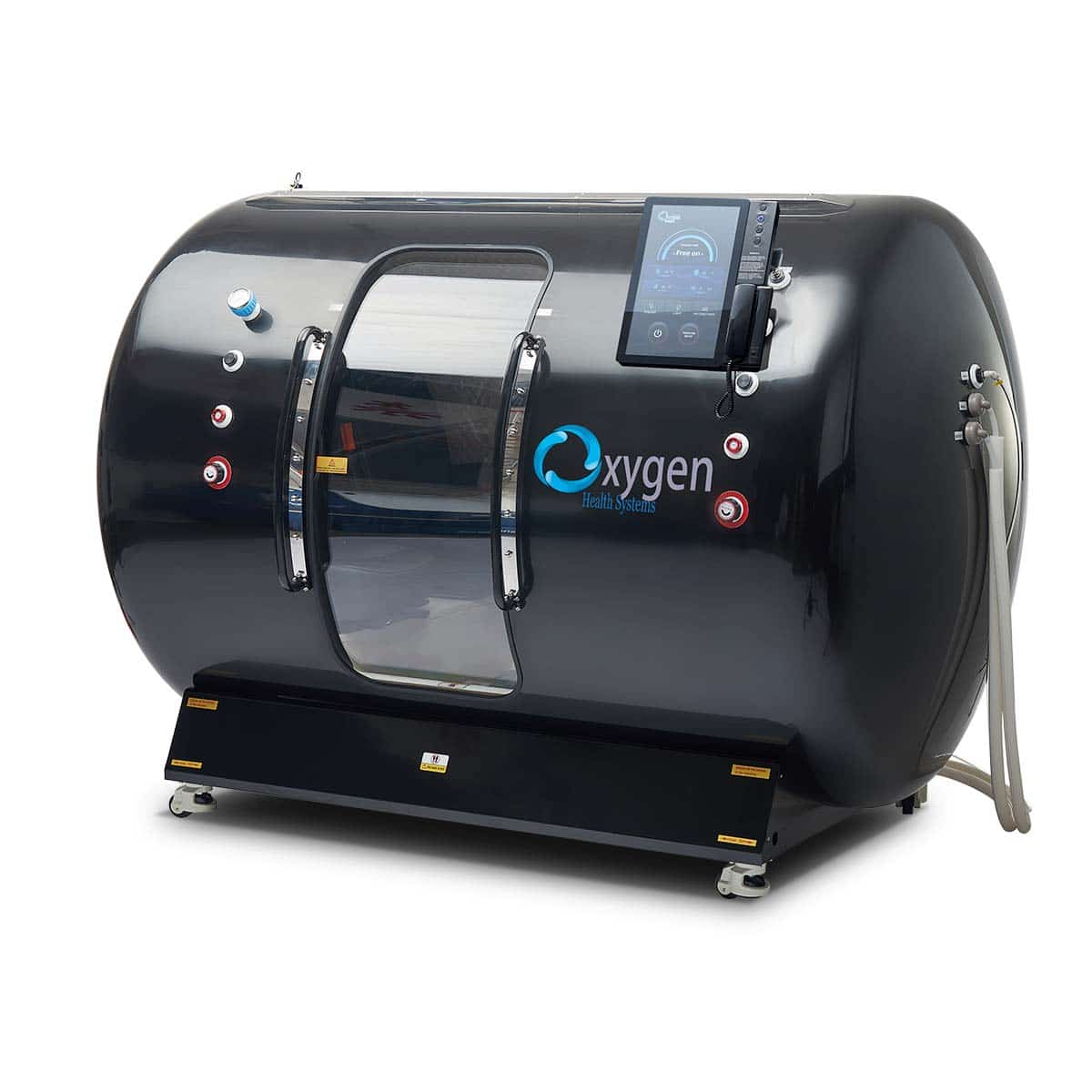
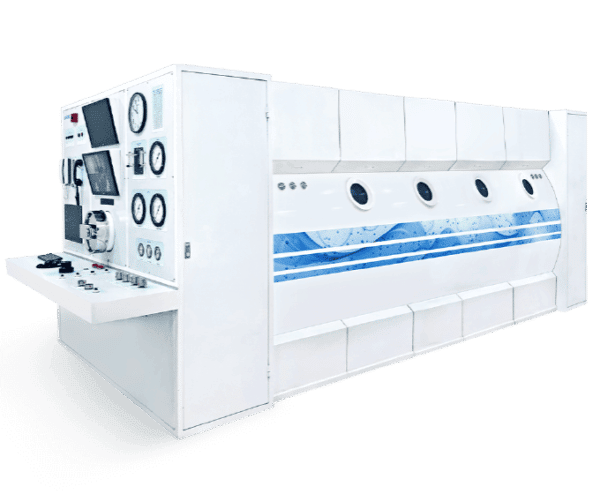
The most significant differentiator in the comparison of these two vessel types is the internal pressure they can withstand. Hard shell chambers are typically constructed from rigid materials like steel, aluminum, or thick acrylic. This robust construction allows them to reach pressures exceeding 2.0 atmospheres absolute (ATA), often going up to 3.0 ATA in hospital settings. This high pressure is crucial for treating serious medical conditions such as decompression sickness ("the bends"), carbon monoxide poisoning, and severe non-healing wounds. The physics of Henry's Law dictate that higher pressure forces more oxygen into the blood plasma, which is why hard chambers are often preferred for acute medical interventions.
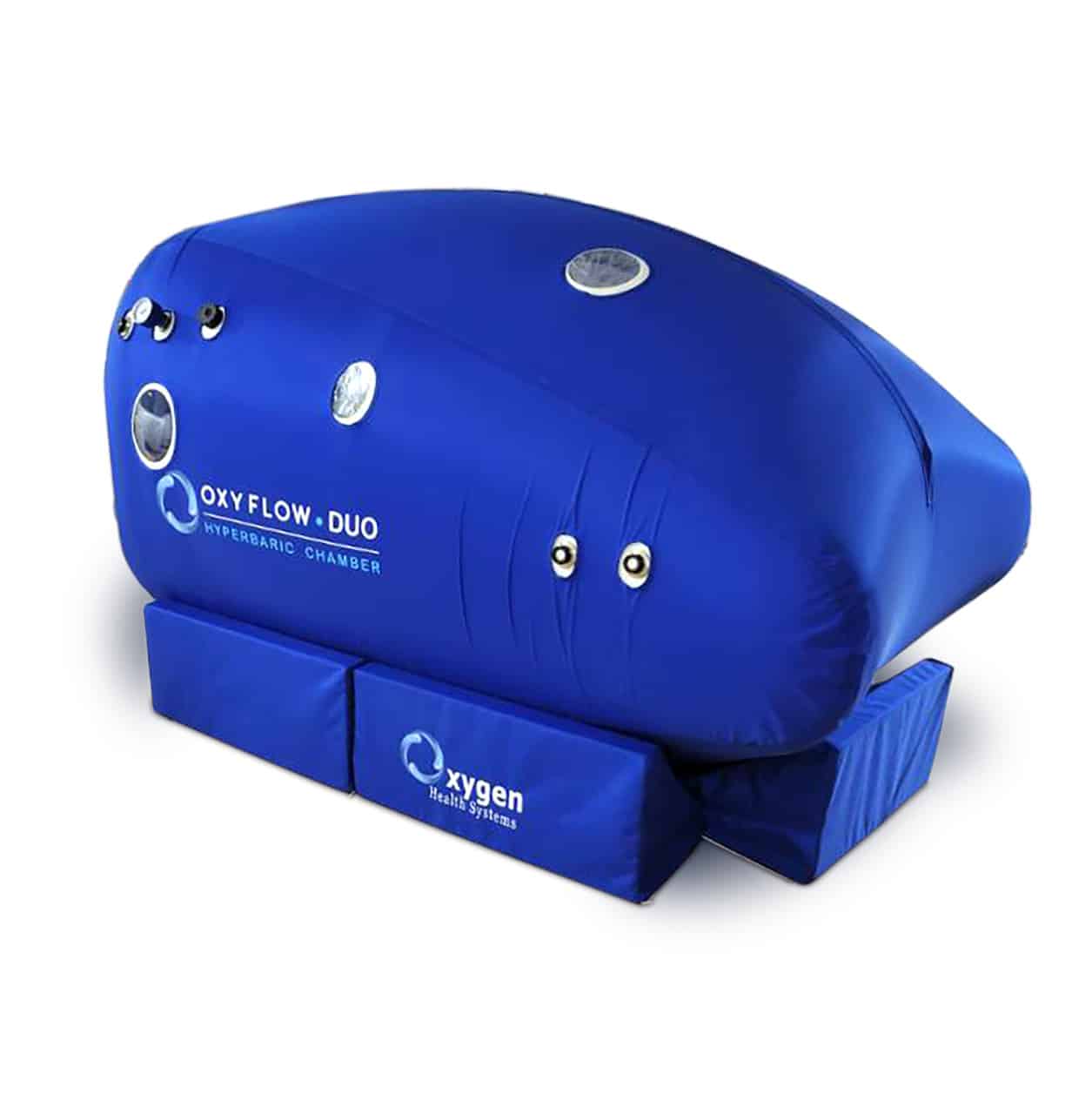
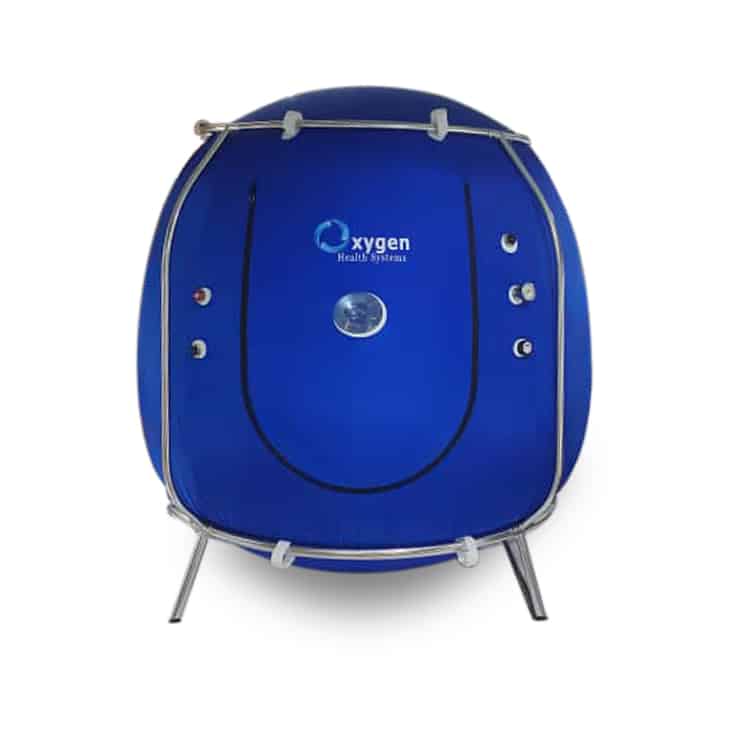
In contrast, soft shell chambers are generally made from high-strength thermal polyurethane (TPU) or canvas materials, similar to heavy-duty inflatable structures. Due to the nature of these pliable materials, they are physically limited in how much pressure they can hold. Most soft chambers are capped at 1.3 ATA, with some newer models reaching 1.5 ATA. When evaluating Soft vs. Hard Shell Chambers, it is vital to understand that 1.3 ATA provides a "mild" hyperbaric experience (mHBOT). While this lower pressure is excellent for general wellness, sports recovery, and managing altitude sickness, it may not be sufficient for conditions that require deep tissue oxygen saturation to combat severe infections or necrosis.
The efficacy of the treatment is directly correlated to these pressure differentials. In the debate of Soft vs. Hard Shell Chambers, one must align the tool with the task. If the goal is general anti-aging, cognitive clarity, or recovery from mild fatigue, the lower pressure of a soft chamber is often sufficient and beneficial. However, for deep physiological repair requiring massive oxygen infusion, the hard chamber’s ability to reach higher pressures makes it the superior medical device.
Soft vs. Hard Shell Chambers Oxygen Delivery Methods and Concentration
Pressure is only half of the equation; the concentration of oxygen is the other. In the analysis of Soft vs. Hard Shell Chambers, the method of oxygen delivery varies significantly. Hard shell chambers are often classified as "100% oxygen" environments. In a clinical setting, the entire vessel may be pressurized with medical-grade oxygen (monoplace), or the patient may wear a hood or mask that delivers 100% oxygen while the chamber is pressurized with air (multiplace). This setup ensures the patient breathes pure oxygen at high pressure, maximizing the systemic dose.
Soft chambers, on the other hand, typically utilize "ambient air" pressurization. The chamber is inflated with room air (which is roughly 21% oxygen), and the user breathes concentrated oxygen (usually 90-95%) through a mask via an external oxygen concentrator. When comparing Soft vs. Hard Shell Chambers, this distinction is important. In a soft chamber, if you take off your mask, you are breathing pressurized room air. In a monoplace hard chamber pressurized with oxygen, your entire body is immersed in the gas. While the mask method in soft chambers is effective for raising blood oxygen levels, it does not achieve the same saturation levels as a high-pressure, 100% oxygen environment.
Furthermore, safety regulations dictate these differences. Because oxygen is highly flammable, filling a portable soft chamber with 100% oxygen would present a significant fire hazard in a home setting. Therefore, the distinction between Soft vs. Hard Shell Chambers is also a safety feature. Soft chambers are designed to be intrinsically safer for home use by utilizing ambient air for pressurization, reducing the fire risk significantly compared to their clinical counterparts.
Soft vs. Hard Shell Chambers Material Construction and Durability Factors
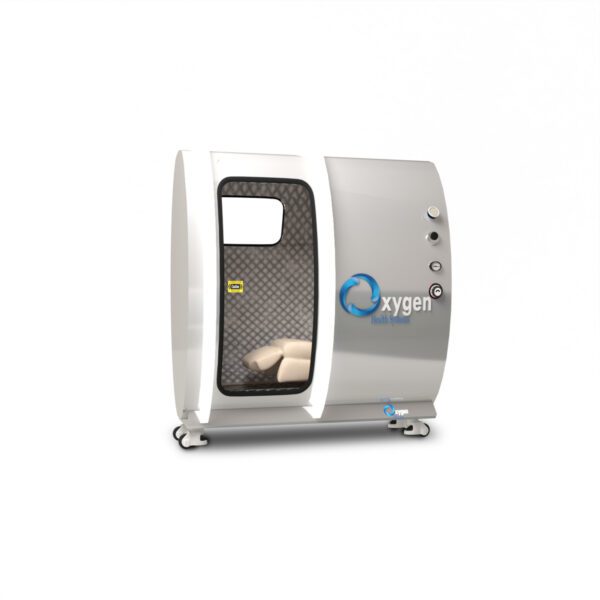
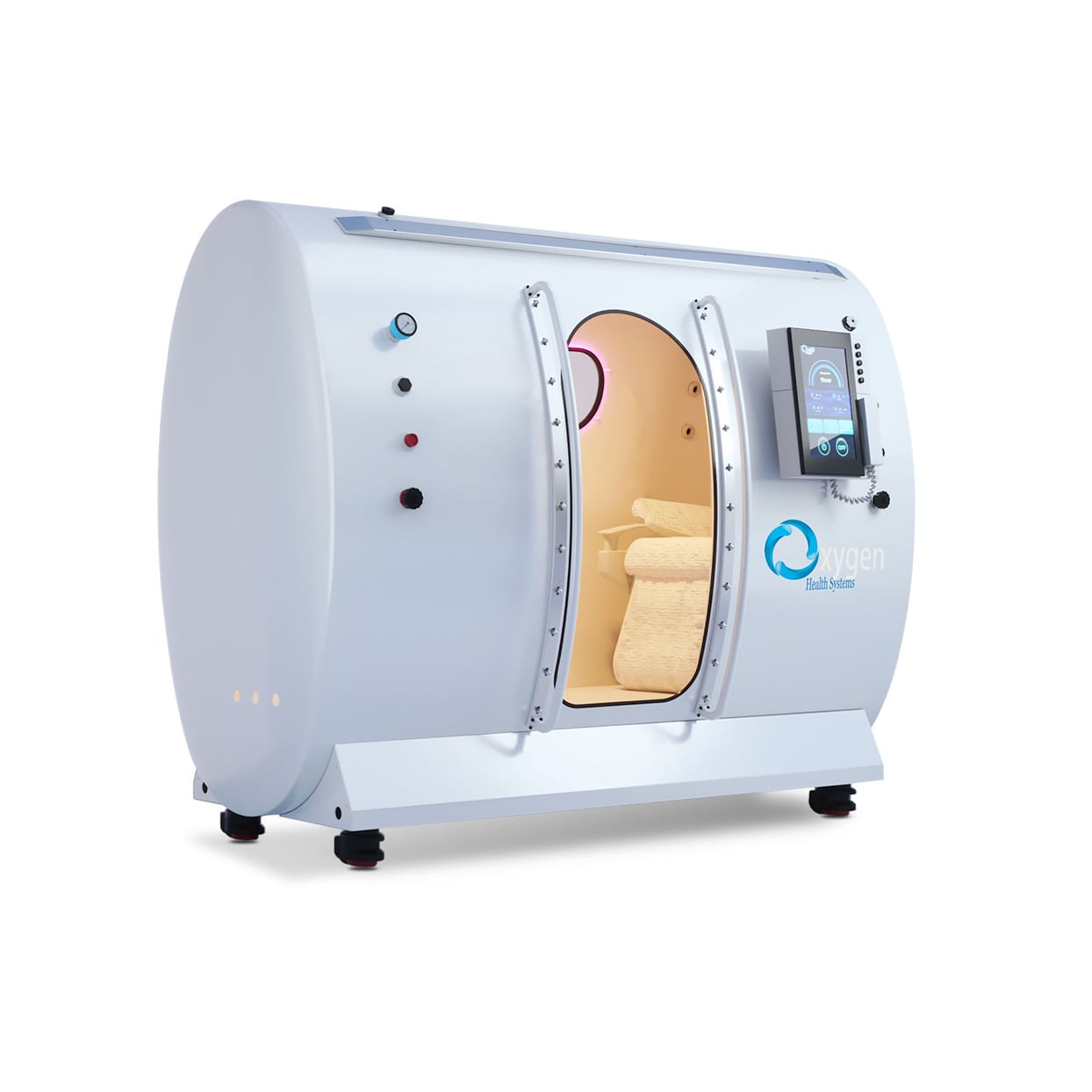
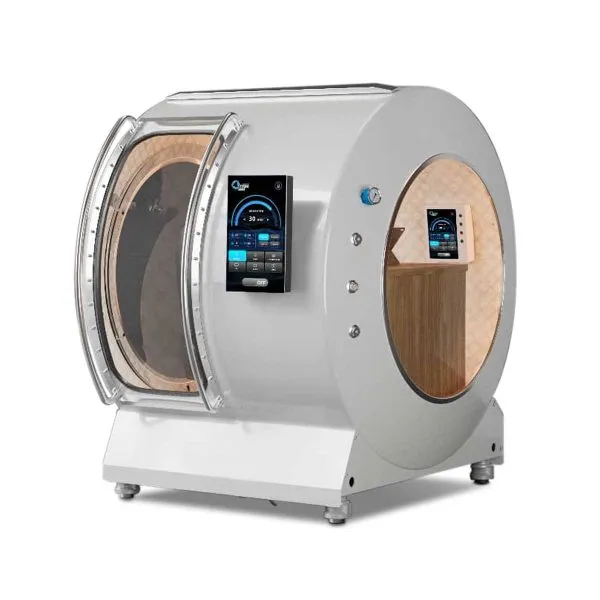
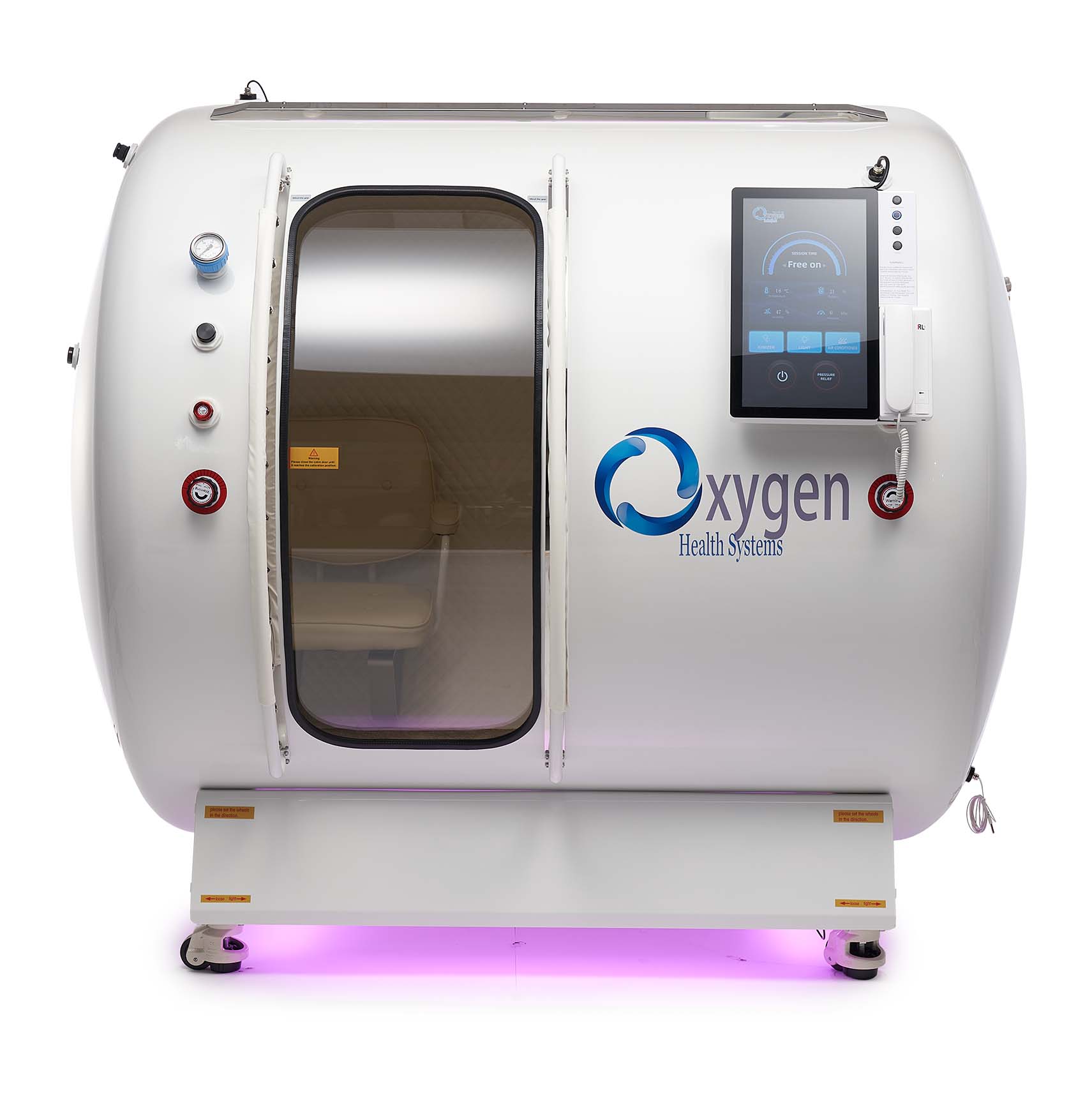
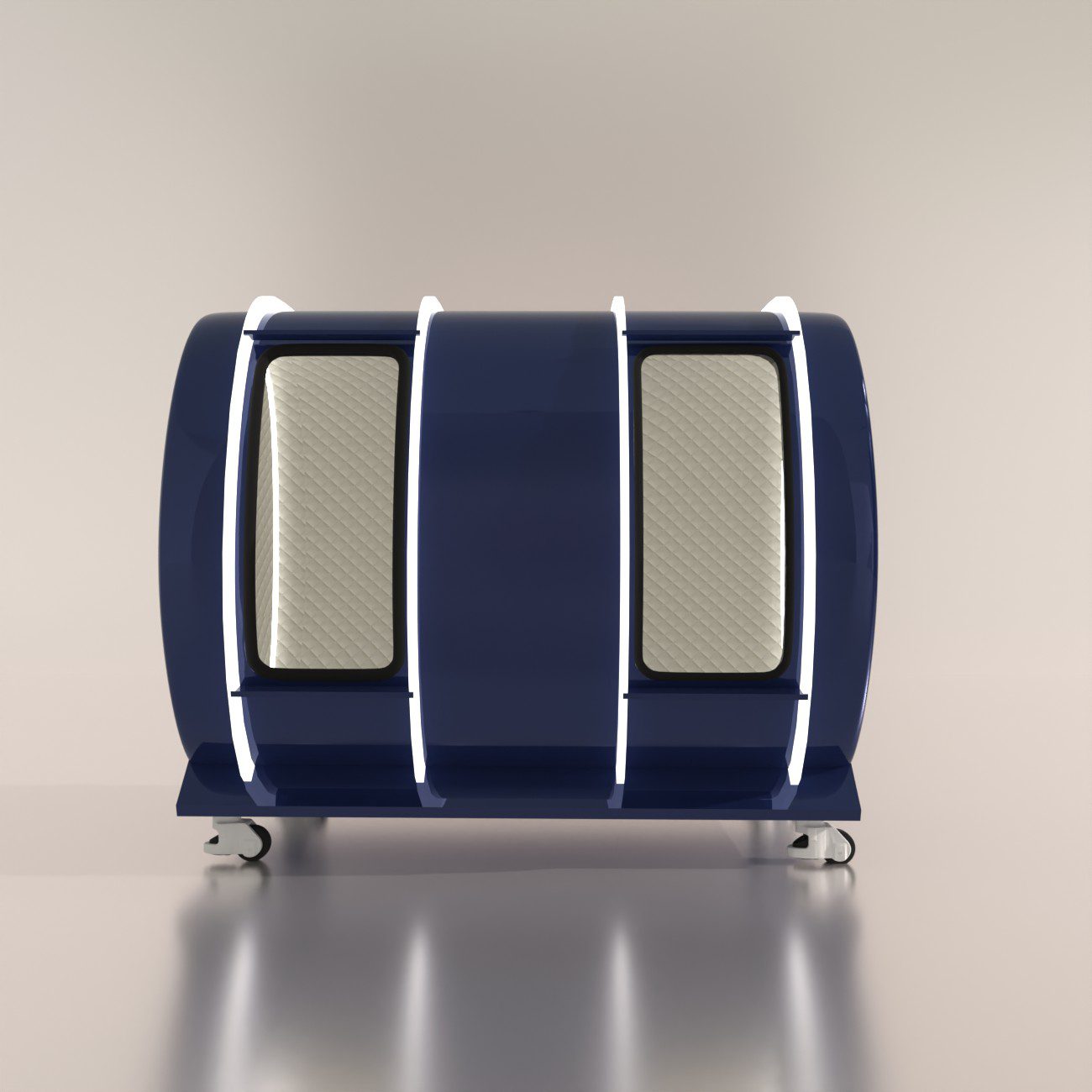
The structural composition of these devices determines their longevity and user experience. Hard shell chambers are built like submarines. They feature heavy-duty metal latches, thick viewing ports, and rigid walls that do not fluctuate during pressurization. When discussing Soft vs. Hard Shell Chambers in terms of durability, the hard shell is a permanent fixture designed to last for decades with proper maintenance. They are heavy, often weighing thousands of pounds, and require professional installation. Their rigidity also offers a different sensory experience; they feel solid and clinical, which can be reassuring to some patients.
Soft chambers are constructed from layers of specialized fabrics and polymers held together by high-strength zippers and buckles. When pressurized, they inflate and become rigid, but when deflated, they are flexible. A key point in the Soft vs. Hard Shell Chambers analysis is vulnerability. Soft chambers can be susceptible to punctures or zipper failures if not handled with care. While modern manufacturing has made them incredibly tough, they do not possess the same impervious nature as a steel vessel. However, this flexibility allows them to be folded and moved, offering a logistical advantage for temporary setups or travel.
The entry and exit mechanisms also differ. Hard chambers typically have a heavy door that seals with pressure, often requiring an operator on the outside to secure it (though some allow self-treatment). Soft chambers usually rely on a dual-zipper system. Users of soft chambers can often zip themselves in and out, providing a level of autonomy. When comparing these technologies, consider who will be operating the unit. If you plan to treat yourself at home alone, the accessibility of a soft chamber's zipper system might be more practical than a heavy clinical door.
Soft vs. Hard Shell Chambers Cost Analysis for Personal and Clinical Investment
Financial considerations often drive the final decision. The price gap in the market is substantial. Soft shell chambers are the entry-level option, generally ranging from $4,000 to $20,000 depending on the size and brand. This price point makes them accessible to private individuals, athletes, and small wellness practices. They are a cost-effective way to bring hyperbaric therapy into a daily routine without the overhead of clinical equipment.
Hard shell chambers represent a major capital investment. Prices typically start around $80,000 and can easily exceed $150,000 or more for multiplace units. This high cost is due to the materials, the engineering required to withstand high pressures safely, and the medical certifications often associated with these devices. In the context of Soft vs. Hard Shell Chambers, the hard shell is almost exclusively the domain of hospitals, specialized clinics, and wealthy private collectors. The return on investment for a hard chamber requires a business model that supports high-ticket clinical treatments.
However, one must also look at the resale value. Because hard chambers are durable medical equipment made of steel or acrylic, they tend to hold their value exceptionally well over time. A used hard chamber can often be sold for a significant portion of its original price. Soft chambers, being made of fabric and zippers, depreciate faster due to wear and tear. Therefore, while the initial outlay for a hard chamber is higher, the long-term financial picture might be more balanced than it initially appears.
Soft vs. Hard Shell Chambers Safety Protocols and Operational Risks
Safety is paramount when dealing with pressurized environments. Hard shell chambers, because they often utilize 100% oxygen and high pressures, carry inherent risks related to oxygen toxicity and fire. Clinics operating hard chambers must adhere to strict codes (like NFPA 99 in the USA), requiring grounding systems, specific clothing to prevent static, and fire suppression systems. The comparison of Soft vs. Hard Shell Chambers highlights that hard chambers require trained technicians to operate safely. The risk profile is higher, demanding rigorous professional oversight.
Soft chambers are designed with a "safety-first" approach for the layperson. Because they operate at lower pressures and use ambient air, the risk of oxygen toxicity and fire is drastically lower. Most soft chambers have internal release valves that prevent over-pressurization, making it physically impossible to exceed the safety limits of the vessel. In the discussion of Soft vs. Hard Shell Chambers, soft chambers are generally considered safe for unsupervised home use, provided the user follows basic manufacturer guidelines.
Additionally, the "squeeze" sensation in the ears is less severe in soft chambers due to the slower pressurization rates and lower total pressure. For children or those with sensitive ears, this makes the soft chamber a gentler introduction to the therapy. Understanding the safety profile of these different chambers is essential, especially for parents or caregivers looking to treat vulnerable family members who may not be able to clear their ears easily.
Soft vs. Hard Shell Chambers Portability and Installation Logistics for Homeowners
Logistics can be a deal-breaker. Hard shell chambers are heavy, bulky, and generally require a permanent location. Installing one often involves hiring riggers, reinforcing floors to handle the weight, and potentially modifying doorways to fit the unit inside. Once installed, it does not move. When weighing Soft vs. Hard Shell Chambers, remember that a hard chamber transforms a room into a medical facility. It dominates the space and requires significant electrical infrastructure to run the heavy-duty compressors and cooling systems.
Soft chambers offer portability. They can be deflated, folded, and packed into carrying cases. A standard soft chamber can be set up in a living room, bedroom, or spare office in under an hour. This flexibility is a major advantage for renters or those who move frequently. The debate leans heavily toward soft shells for anyone who values spatial flexibility. You can even take some smaller soft chambers on the road in an RV or to training camps, a feat impossible with a hard shell unit.
However, space is still a consideration. While portable, soft chambers still require space for the auxiliary equipment—the compressor, the oxygen concentrator, and the cooler. The setup involves hoses and cables that can be cluttered. Comparing these options requires planning your floor plan to accommodate not just the vessel, but the noise and heat generated by the pumps.
Sensory Experience: Heat, Noise, and Claustrophobia
The sensory experience inside the chamber varies greatly between the two types. Hard shell chambers, particularly monoplace units, are often clear acrylic tubes. This visibility can significantly reduce feelings of claustrophobia, as the patient can see out in all directions. They also tend to be cooler, as many hard systems have built-in air conditioning units that circulate temperature-controlled gas. In the Soft vs. Hard Shell Chambers comparison, hard shells generally offer a more comfortable, climate-controlled environment.
Soft chambers can feel more enclosed. While they usually have small viewing windows, the fabric walls are opaque. This can trigger claustrophobia in some users. Additionally, soft chambers can get warm. The friction of the air entering the chamber generates heat, and without a dedicated cooling system (which is an optional add-on for many soft chambers), the interior can become stuffy during a 60 or 90-minute session. Users often need to use ice packs or wear light clothing.
Noise is another factor. Hard chambers effectively dampen external noise, providing a quiet, meditative space. Soft chambers are thinner, so you can hear the compressor running and the ambient noise of the room. If relaxation and silence are a priority, the acoustic insulation of a hard chamber is superior. However, many soft chamber users mitigate this with noise-canceling headphones, which has the added benefit of entertainment.
Soft vs. Hard Shell Chambers Maintenance Needs for Long Term Functionality
Protecting your investment requires maintenance, and the needs differ between the two. Hard shell chambers are relatively low maintenance regarding the structure itself; the steel and acrylic are robust and easy to wipe down. The primary maintenance involves the complex machinery—compressors, valves, and seals. Technicians usually handle the servicing of hard chambers. In the context of this comparison, hard chambers are like commercial aircraft: complex to fix but built to run constantly.
Soft chambers require more hands-on care from the owner. The zippers are the weak point and must be lubricated and cleaned regularly to ensure a tight seal. The bladder material must be kept clean and away from sharp objects or pet claws. UV light can degrade the polymers, so placement away from direct sunlight is crucial. The Soft vs. Hard Shell Chambers comparison shows that while soft chambers are cheaper, they require a bit more daily mindfulness to prevent wear and tear on the fabric.
Ultimately, filters on compressors and oxygen concentrators for both types need regular changing. Keeping the air quality high is essential regardless of the chamber type. The choice should factor in your willingness to perform these routine maintenance tasks versus hiring a service to handle them for you.
In conclusion, the decision between these two technologies is not binary; it is a spectrum of needs. Hard shell chambers offer the pinnacle of medical pressure and oxygen saturation, suitable for treating severe conditions in a clinical setting with superior comfort features. Soft shell chambers offer an accessible, safe, and portable entry point into the world of hyperbaric therapy, perfect for wellness maintenance and mild recovery. By thoroughly understanding the nuances of Soft vs. Hard Shell Chambers, you can select the vessel that best supports your journey toward better health.
Whether you choose the clinical power of the hard shell or the convenient comfort of the soft shell, integrating hyperbaric therapy into your life is a proactive step toward vitality. The market will continue to evolve, but the fundamental physics of healing through oxygen will remain the same. Choose the tool that fits your life, and breathe deeply.



0 Comments