



The world of hyperbaric wellness has expanded rapidly in the last decade, moving from exclusive hospital settings and wound care centers into private clinics, chiropractic offices, luxury spas, and even private homes. As interest in biohacking, metabolic health, and athletic recovery grows, many individuals are faced with a primary and often confusing decision: choosing between different types of equipment. Understanding the distinctions between Soft vs. Hard Shell Chambers is essential for anyone looking to invest in their well-being or business. These two categories represent the most common vessels used to deliver increased atmospheric pressure, yet they differ significantly in design, capability, safety profiles, and user experience.
>>> Shop Now <<<
For the uninitiated, the terminology can be overwhelming. Is a portable, inflatable unit sufficient for your needs, or is a rigid, steel-enforced cabin necessary to see results? The debate surrounding Soft vs. Hard Shell Chambers often centers on the specific goals of the user, be it mild relaxation or deep tissue recovery. While both aim to create a pressurized environment to enhance the body's absorption of oxygen according to gas laws, the mechanics of how they achieve this—and the intensity of the parameters they can reach—vary drastically. Making an informed choice requires a deep dive into the materials, physics, functionality, and practical applications of each style.
Soft vs. Hard Shell Chambers Differ In Fundamental Construction Materials And Durability
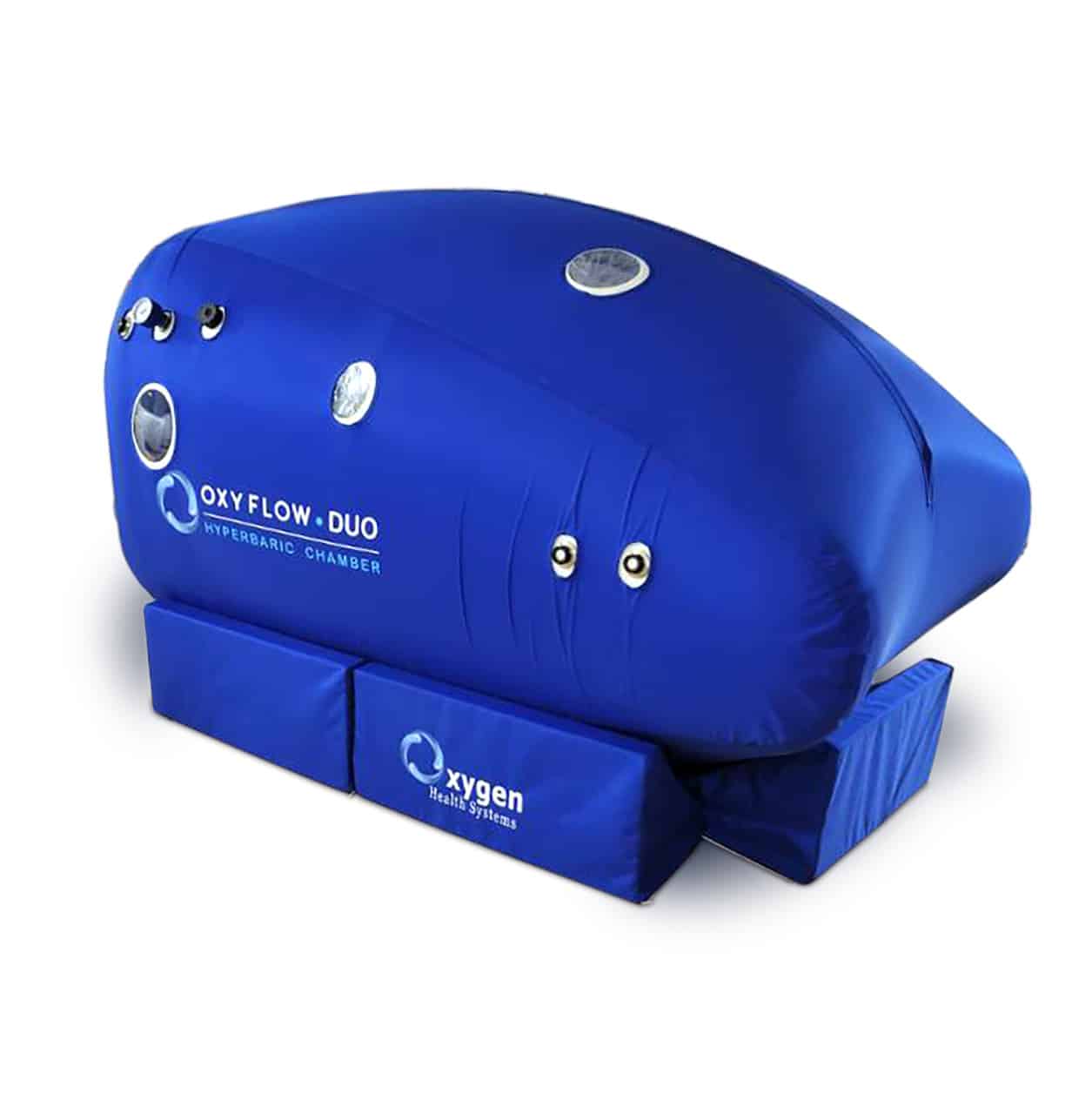
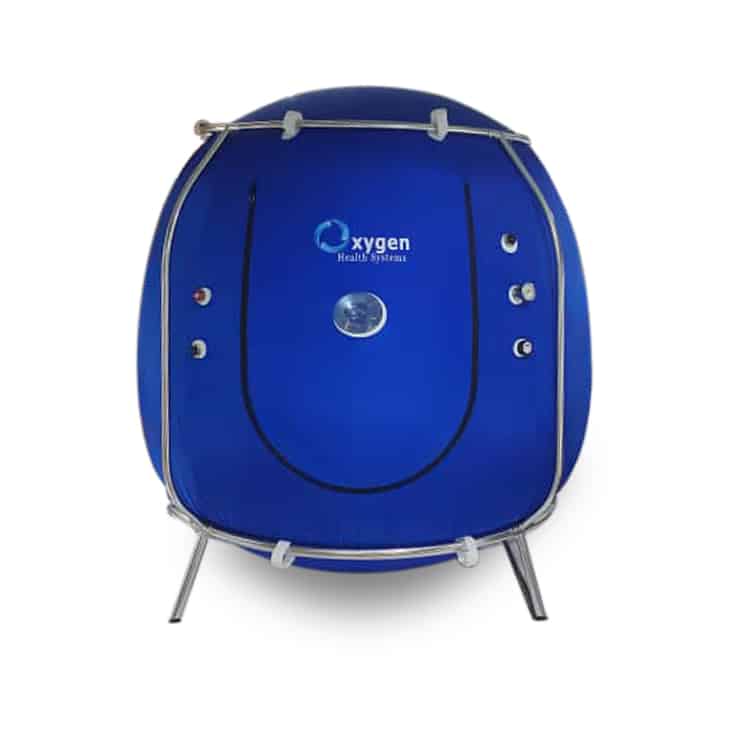
The most immediate visual difference lies in the build quality and specific materials used to contain the pressure. Soft chambers are typically constructed from high-grade, urethane-coated nylon or thermoplastic polyurethane (TPU). These materials are chosen for their flexibility and tensile strength, allowing the unit to inflate like a robust balloon when pressurized. When discussing Soft vs. Hard Shell Chambers, it is important to note that the "soft" variety relies heavily on a system of heavy-duty zippers and buckles to seal the environment. These distinct features make them lightweight and easier to manufacture, which often translates to a lower barrier of entry for home users, but introduces specific wear-and-tear points over time.
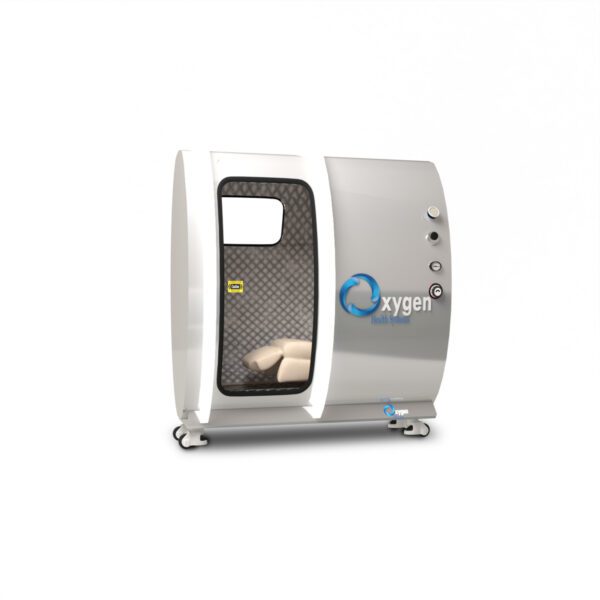
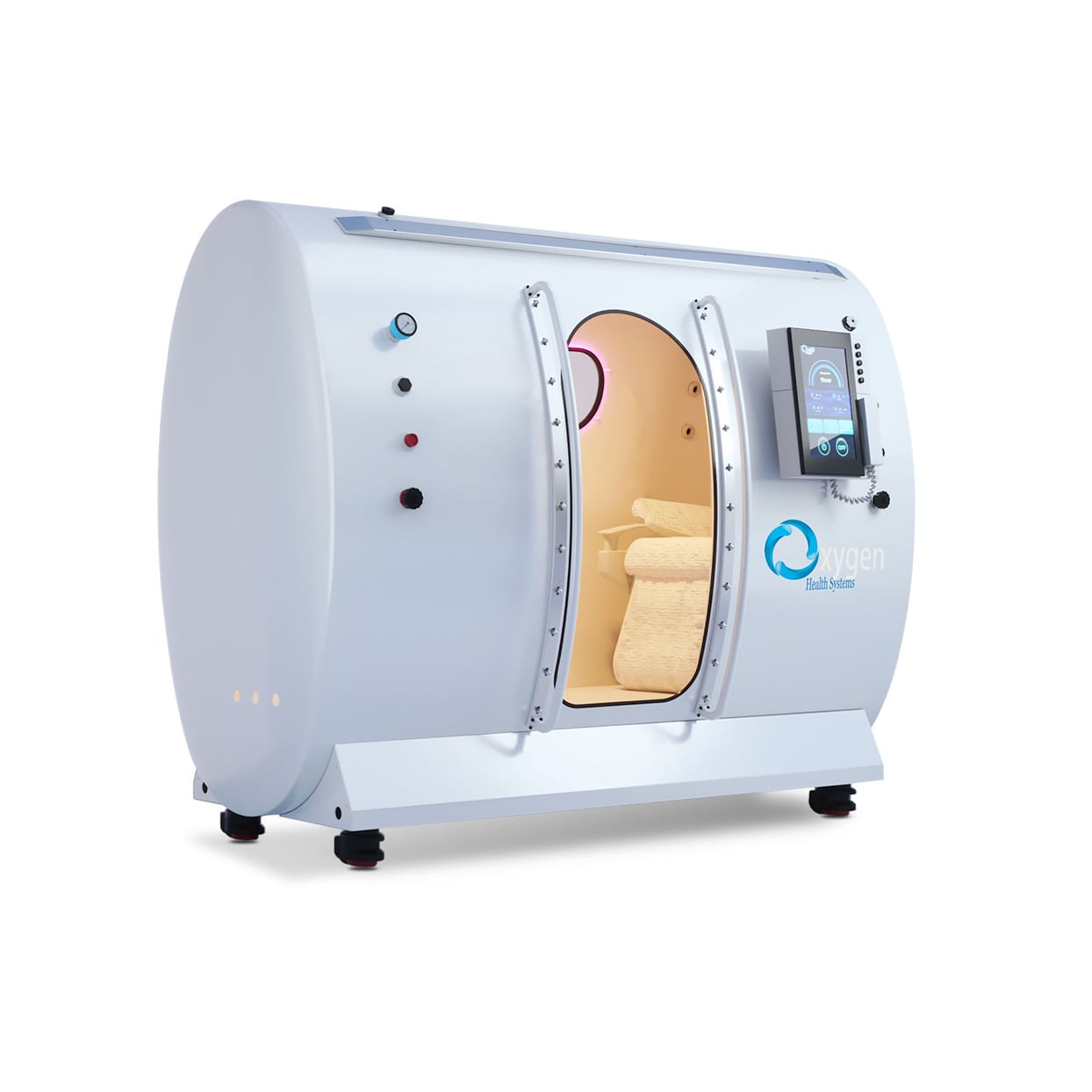
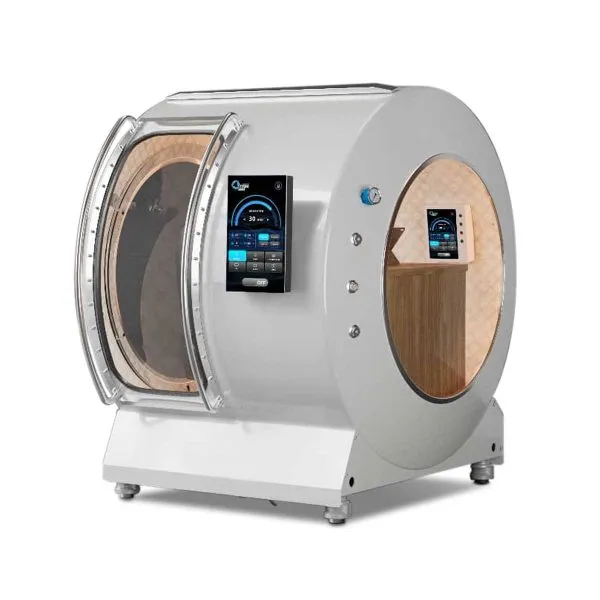
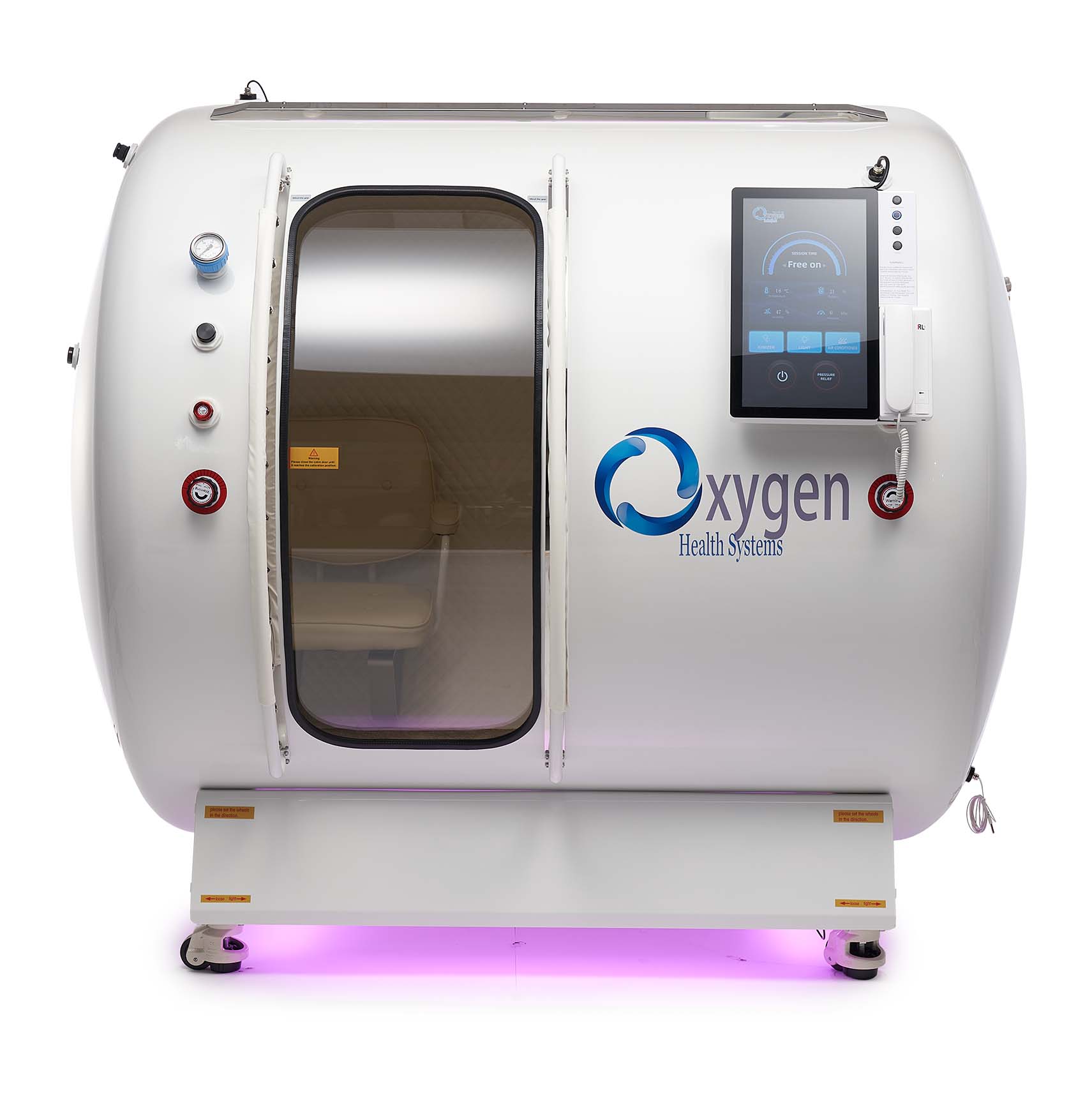
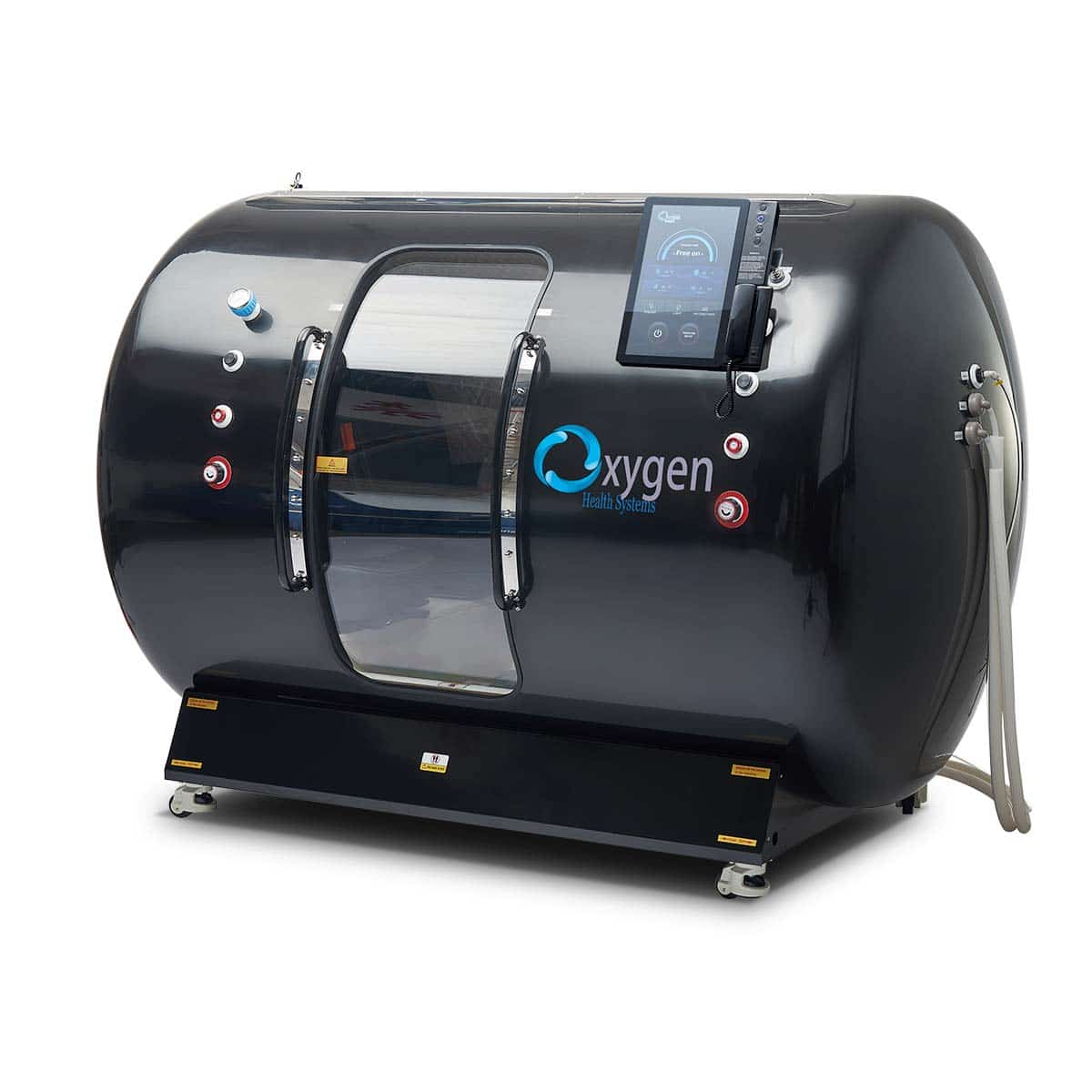
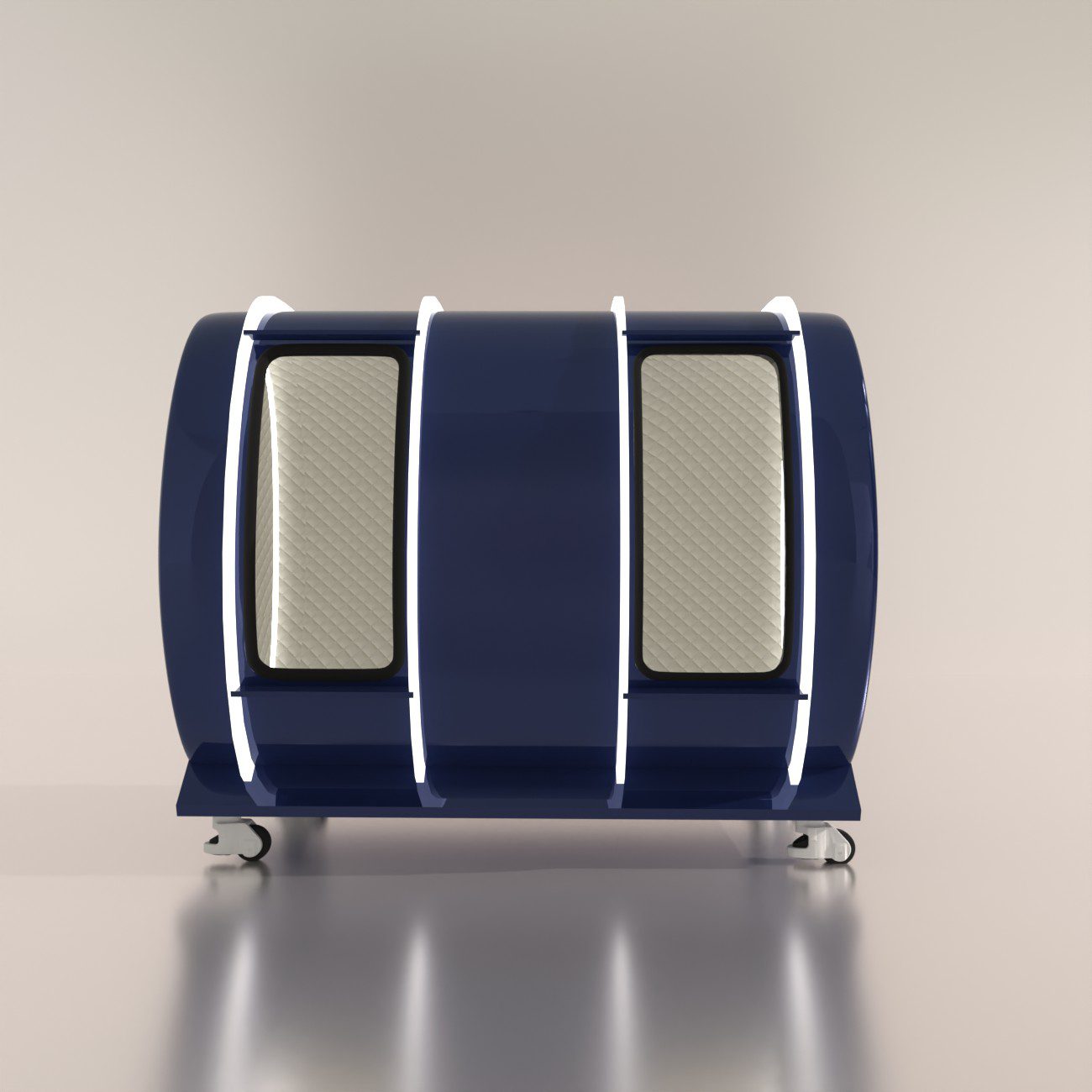
In contrast, hard shell chambers are built like miniature submarines or aerospace fuselages. They are fabricated from rigid, industrial-grade materials such as powder-coated steel, medical-grade aluminum, or thick, seamless acrylic. This robust construction allows them to withstand much higher internal pressures without expanding or changing shape. When comparing Soft vs. Hard Shell Chambers, the durability of a hard shell unit is generally superior, designed to last for decades in high-volume clinical settings with minimal structural degradation. The rigid structure also allows for large, clear viewing ports that offer a panoramic view, whereas soft chambers typically have smaller, porthole-style windows due to the structural limitations of the flexible fabric.
Furthermore, the sealing mechanisms differ greatly. A hard chamber typically uses a door that seals via internal pressure pressing against a gasket; the higher the pressure, the tighter the seal. Soft chambers rely on the zipper teeth holding together against the outward force. Over years of use, zippers can fatigue, requiring maintenance or replacement, whereas a steel door latch is virtually indestructible. This structural longevity is a key factor for clinics calculating the lifetime value of their equipment investment.
Soft vs. Hard Shell Chambers Offer Varying Levels Of Atmospheric Pressure Capabilities
Pressure is the driving force of hyperbaric therapy, and this is where the performance gap widens significantly. Soft chambers are generally classified as "mild" hyperbaric units (mHBOT). They typically operate at pressures between 1.3 and 1.5 Atmospheres Absolute (ATA), which equates to roughly 4 to 7 pounds per square inch (PSI). In the conversation about Soft vs. Hard Shell Chambers, this limitation is crucial. The 1.3 ATA level simulates a depth of about 10 feet of seawater. This mild pressure is excellent for relaxation, managing altitude sickness, and general wellness support, but it does not reach the compression levels used in hospital-grade medical treatments.
Hard shell chambers can reach pressures of 2.0 ATA, 3.0 ATA, or even higher, equating to depths of 33 to 66 feet of seawater or more. This capability allows for a much greater saturation of oxygen in the blood plasma and tissues, driven by Henry’s Law, which states that gas solubility increases with pressure. When evaluating Soft vs. Hard Shell Chambers, those seeking support for more intensive recovery needs, deep tissue wounds, or specific physiological changes often lean towards hard shells. The ability to reach these deeper pressures means that hard chambers are strictly regulated and often require medical oversight and prescription, whereas soft chambers face fewer regulatory hurdles for personal ownership in many regions.
Soft vs. Hard Shell Chambers Utilize Different Oxygen Delivery Systems And Airflow
The method of delivering oxygen is another separating factor that impacts efficacy. In most soft chamber setups, the vessel is pressurized with ambient air (which is 21% oxygen), and the user breathes concentrated oxygen (90-95%) through a mask or cannula connected to an external oxygen concentrator. When analyzing Soft vs. Hard Shell Chambers, you will find that soft units rarely exceed 24% to 30% ambient oxygen concentration inside the bag itself. This is a safety feature to prevent fire risks, as flexible materials are not fire-rated for high-oxygen environments. The boost in oxygen primarily comes from what the user inhales directly through the specific breathing device.
Hard shell chambers, specifically monoplace units used in hospitals, are often pressurized with 100% pure oxygen. This means the entire environment is oxygen-soaked, and the patient breathes 100% oxygen simply by being inside, without a mask. However, many private wellness centers use hard chambers pressurized with air, similar to soft ones, but still utilize a mask or hood system (Bibs) for higher efficiency. Comparing Soft vs. Hard Shell Chambers reveals that while hard shells *can* support 100% oxygen environments, the safety protocols required—such as grounding strips, prohibition of electronics, and special 100% cotton clothing—are far more rigorous than the "plug-and-play" nature of most soft shell systems which allow for electronics and casual clothing.
Soft vs. Hard Shell Chambers Vary In Portability And Installation Requirements
For the home user or the mobile wellness practitioner, the physical footprint and logistics of the equipment are major considerations. Soft chambers are designed with portability and adaptability in mind. They can be deflated, folded, and packed into carrying cases or large duffel bags. This flexibility makes the debate of Soft vs. Hard Shell Chambers an easy win for the soft variety if you live in an apartment, need to move the unit between rooms, or travel with your equipment to athletic events. Installation is usually as simple as connecting a few silicone hoses to a compressor and plugging it into a standard wall outlet, taking less than 30 minutes.
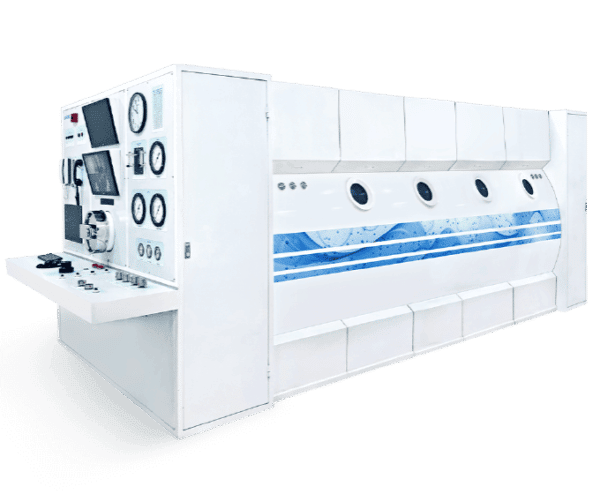
Hard chambers are heavy, permanent fixtures that command space. Weighing hundreds or even thousands of pounds, they require professional installation. Often, they require structural modifications to the building, such as reinforced floors to handle the weight or widened doorways to fit the unit inside. When considering Soft vs. Hard Shell Chambers, one must account for the logistics of delivery. A hard chamber cannot simply be carried up a flight of stairs by two people; it may require a forklift, a crane, or a specialized rigging crew. Once installed, it is there to stay, serving as a dedicated medical station rather than a versatile, movable tool.
Soft vs. Hard Shell Chambers Create Distinct Internal Environments And Comfort Levels
User experience is subjective, but the physical reality of being inside the chamber dictates comfort and compliance. Soft chambers can feel more enclosing. Because they inflate around the user, the space can be somewhat limited, which might trigger claustrophobia in some individuals. However, examining Soft vs. Hard Shell Chambers shows that soft units are often cozy and comfortable for lying down, similar to being in a sleeping bag or a small tent. One challenge with soft chambers is heat; the material insulates body heat, and without an internal air conditioner, it can get warm, often requiring the use of frozen gel packs or external cooling units.
Hard chambers usually offer a much more spacious and controlled interior. The rigid walls do not press in, and the larger diameter allows for more movement; patients can often sit up, read, or stretch. Some multiplace hard chambers are even large enough to sit in a wheelchair or have multiple people inside at once. In the context of Soft vs. Hard Shell Chambers, the hard shell offers a "roomier" feel with better temperature control systems (ECU) that can actively cool the air. The large acrylic windows also help users feel connected to the outside world, significantly reducing anxiety during the 60 to 90-minute session.
Soft vs. Hard Shell Chambers Represent Different Financial Investments For Consumers
Cost is frequently the deciding factor for individuals and small business owners alike. There is a substantial price disparity between the two styles. Soft chambers are the entry-level option, generally ranging from $4,000 to $20,000 depending on the brand, size, and bundled equipment. This affordability makes the comparison of Soft vs. Hard Shell Chambers skewed towards soft shells for personal home use. They provide a cost-effective way to access mild hyperbaric therapy daily without taking out a massive loan or paying per-session clinic fees.
Hard shell chambers are a significant capital investment, often comparable to buying a luxury car or a small house. Prices typically start around $50,000 and can easily exceed $150,000 for advanced clinical monoplace models. For a business, this requires a solid business plan to ensure a return on investment. When weighing Soft vs. Hard Shell Chambers, the hard shell is viewed as a long-term asset with higher resale value and extreme durability, but the upfront cost is a high barrier to entry. However, for clinics charging per session, the higher pressure capabilities of hard shells can justify higher session fees, often ranging from $150 to $400 per hour.
Soft vs. Hard Shell Chambers Require Specific Maintenance And Safety Protocols
Owning hyperbaric equipment involves ongoing care to ensure safety and functionality. Soft chambers are relatively low maintenance but are more prone to accidental damage. Zippers need regular lubrication to prevent seizing, and the fabric can be punctured by sharp objects like pet claws or jewelry if not treated with care. The discussion of Soft vs. Hard Shell Chambers must address longevity; a soft chamber bladder may need replacement after 5 to 7 years of heavy use due to material fatigue, whereas the compressors and concentrators will need standard filter changes every 6 to 12 months.
Hard chambers are built to industrial standards but require specialized, often professional, maintenance. The acrylic windows must be polished and inspected for "crazing" (micro-cracks), and the door seals must be kept impeccable to hold the higher pressures. Safety is paramount, especially if 100% oxygen is used. Assessing Soft vs. Hard Shell Chambers reveals that hard shells require stricter adherence to fire codes, grounding protocols, and operational training. If a part breaks on a hard chamber, it often requires a specialized technician to fix, whereas soft chamber repairs can sometimes be handled by the user or through simple part swaps via mail.
Accessibility is another practical consideration regarding maintenance and daily use. Getting in and out of a soft chamber usually involves crawling through a zippered opening, which can be difficult for mobility-impaired users. Hard chambers often feature sliding doors or walk-in capabilities (in larger multiplace units), making them much more accessible for elderly or injured patients. This ease of entry often dictates which unit a clinic will purchase.
Soft vs. Hard Shell Chambers Help You Achieve Different Wellness And Lifestyle Goals
Ultimately, the right choice depends on what you hope to achieve and how you plan to use the therapy. If your goal is general stress relief, improved sleep, cognitive support, and mild recovery from daily exercise, a soft chamber is likely sufficient. It fits into a residential lifestyle and provides the benefits of mild pressure in a convenient package. However, comparing Soft vs. Hard Shell Chambers suggests that if you are an elite athlete looking for rapid recovery from injury, or an individual dealing with specific chronic issues that respond better to higher ATA, the hard shell is the superior tool due to its pressure depth.
It is also worth considering the "time vs. pressure" equation. Because soft chambers operate at lower pressures, users may need longer or more frequent sessions (stacking hours) to achieve cumulative benefits similar to a clinical dive. Hard chambers can deliver a higher dose of oxygen in a shorter time frame. When choosing between Soft vs. Hard Shell Chambers, consider your schedule honestly. Do you have time for 90-minute sessions daily at home, or would you prefer fewer, more intense sessions at a clinic twice a week? This lifestyle fit is often just as important as the technical specifications.
In conclusion, the hyperbaric market offers versatile solutions for every need and budget. Whether you prioritize portability and affordability or raw power and durability, understanding the nuances of Soft vs. Hard Shell Chambers empowers you to make the best decision for your health journey. Both modalities offer the profound benefits of oxygen therapy, helping users unlock new levels of vitality, cognitive function, and physical resilience. By carefully weighing the pros and cons of Soft vs. Hard Shell Chambers, you can select the vessel that will best support your path to optimal wellness.



0 Comments