



Investing in your own hyperbaric equipment is a significant decision that marks a profound commitment to long-term wellness, recovery, and cognitive longevity. As the popularity of oxygen therapy grows beyond exclusive clinical settings and into private homes, the market has become flooded with a dizzying array of options ranging from affordable portable units to high-end rigid cabins that rival medical facilities. Navigating this landscape without a map can be overwhelming, especially when prices range from a few thousand dollars to the price of a luxury car. This comprehensive Buying Guide for Oxygen Chambers is designed to cut through the marketing noise and provide you with the practical, objective criteria needed to make an informed purchase. Whether you are an elite athlete looking to speed up muscle recovery, a biohacker seeking to enhance cognitive function, or someone managing chronic health challenges, understanding the technical specifications is key to ensuring safety and efficacy.
>>> Shop Now <<<
The transition from renting clinic time—which can cost upwards of $100 per hour—to owning a unit offers unparalleled convenience and consistency, which are two major factors in the efficacy of the therapy. Therapeutic benefits are often cumulative, requiring daily or near-daily sessions, which is logistically difficult to achieve with a clinic-based model. However, unlike buying a treadmill or a sauna, purchasing a pressurized vessel involves understanding complex safety ratings, air flow dynamics, and material durability. By following this Buying Guide for Oxygen Chambers, you will learn how to balance your budget with your physical needs, ensuring that the equipment you choose serves your household safely and reliably for years to come.
Furthermore, purchasing a chamber is not a "set it and forget it" transaction. It requires understanding the ecosystem of the equipment, including the air compressor, oxygen concentrator, and cooling systems. Many first-time buyers are unaware of the heat generated by compression or the noise levels of the machinery. This guide will delve into these nuanced details, empowering you to ask the right questions of manufacturers and avoid buyer's remorse. Your goal is to create a healing sanctuary in your home, and the right equipment is the foundation of that experience.
Buying Guide for Oxygen Chambers differentiates between soft and hard shell models
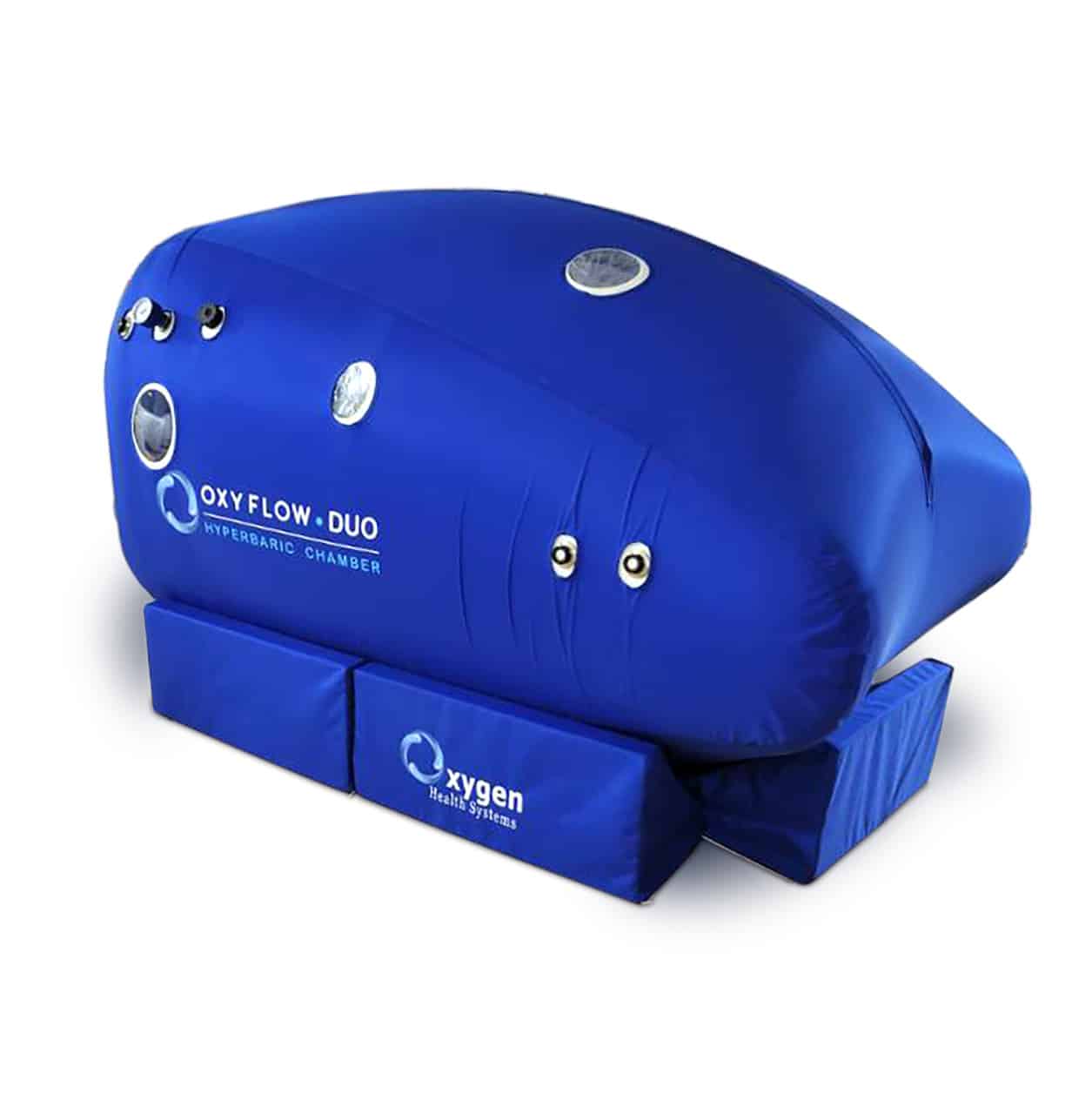
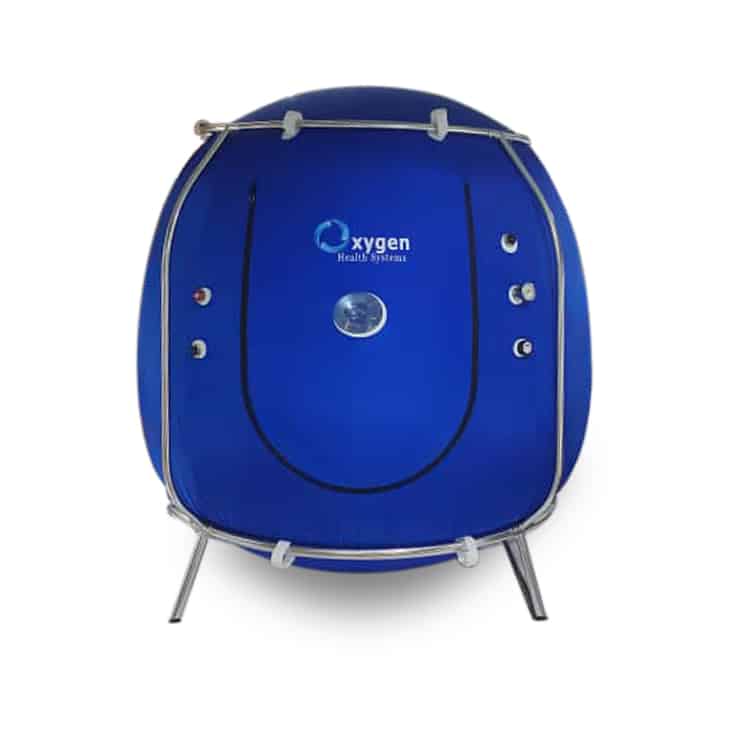
The first and most critical distinction any prospective buyer must understand is the difference between soft-shell (mild) chambers and hard-shell (rigid) chambers. Most home users opt for soft-shell models because they are more affordable, portable, and easier to install in standard residential rooms. A reliable Buying Guide for Oxygen Chambers will explain that soft chambers are typically constructed from high-strength thermoplastic polyurethane (TPU) or silicone-coated fabrics that are heat-welded rather than glued to prevent toxic off-gassing. They generally operate at pressures between 1.3 ATA and 1.5 ATA. These units are held in shape by the internal air pressure, much like a very sturdy balloon, and they deflate when not in use, making them ideal for multipurpose rooms where space is at a premium.
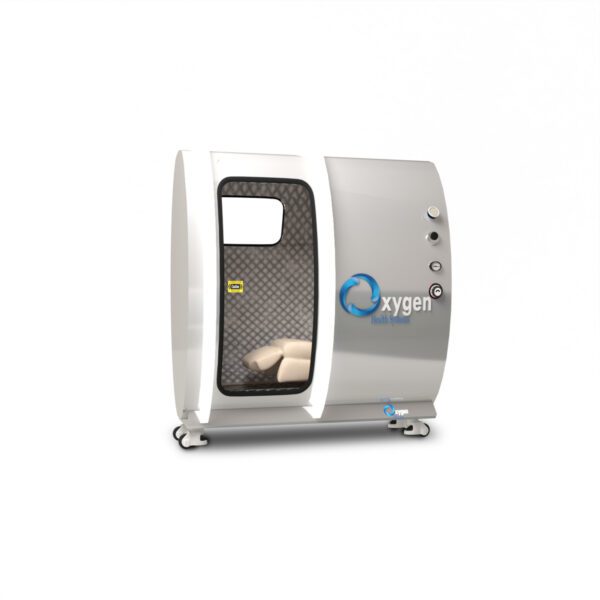
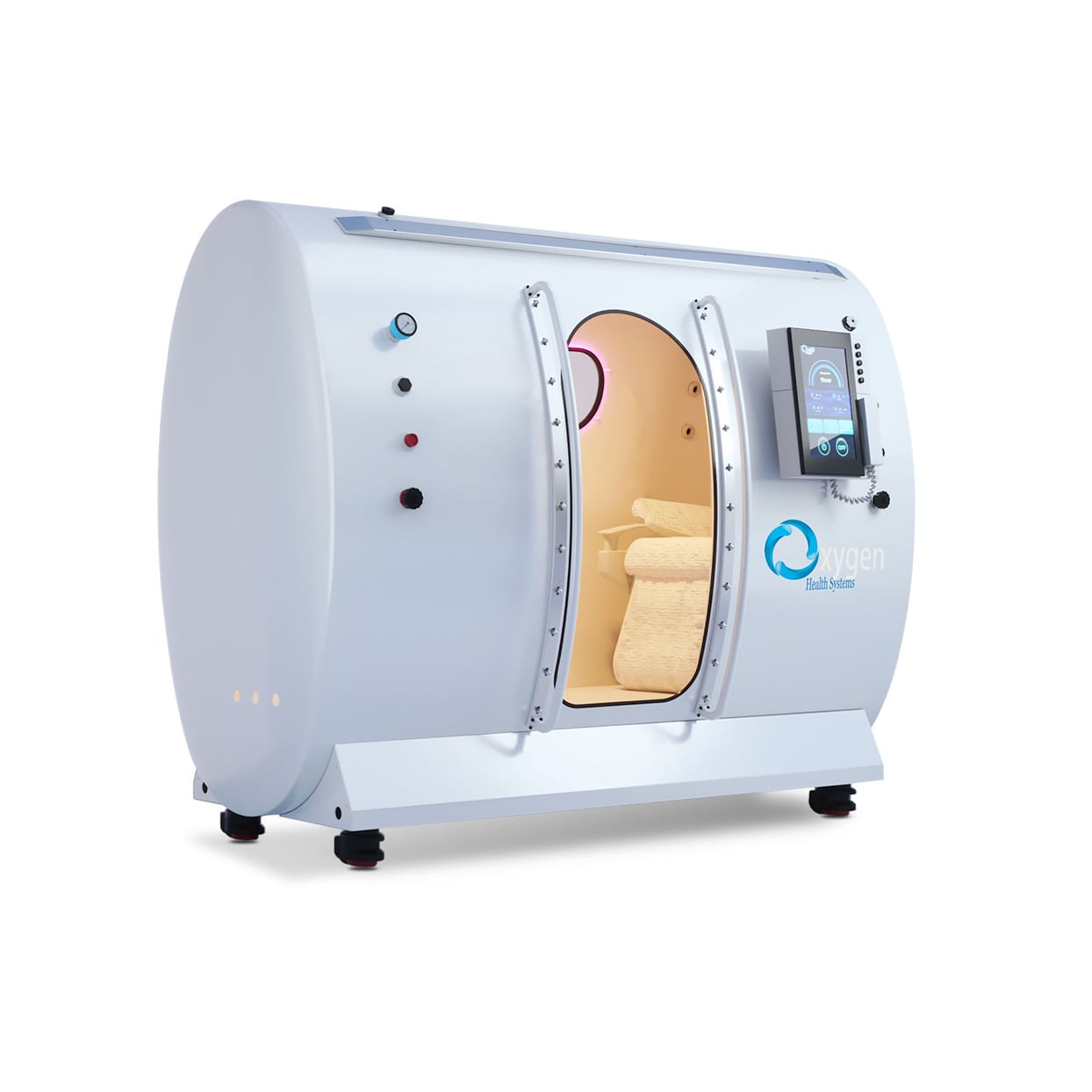
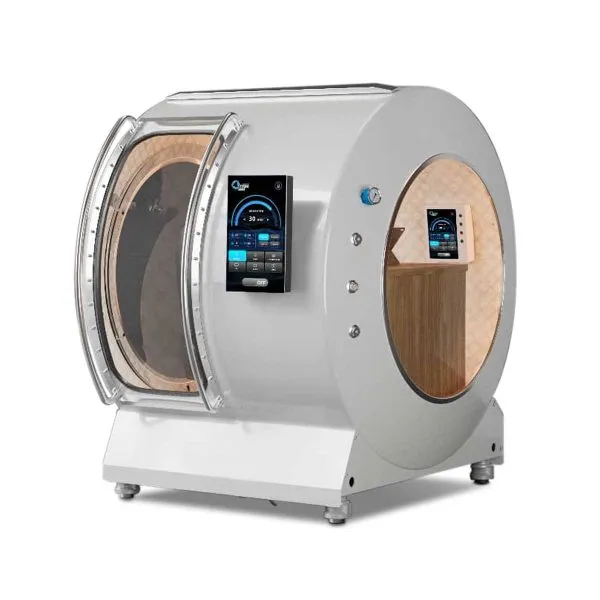
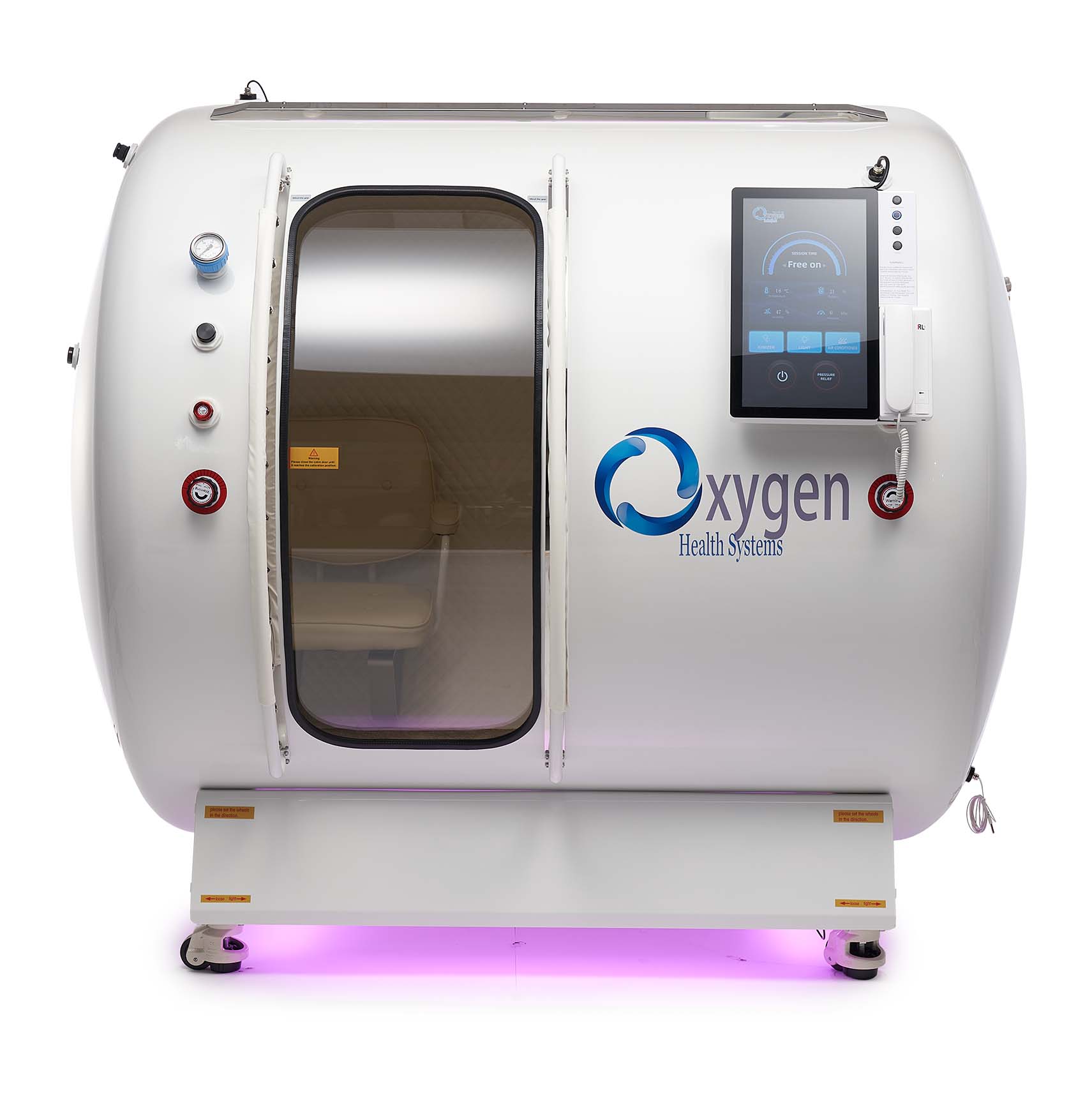
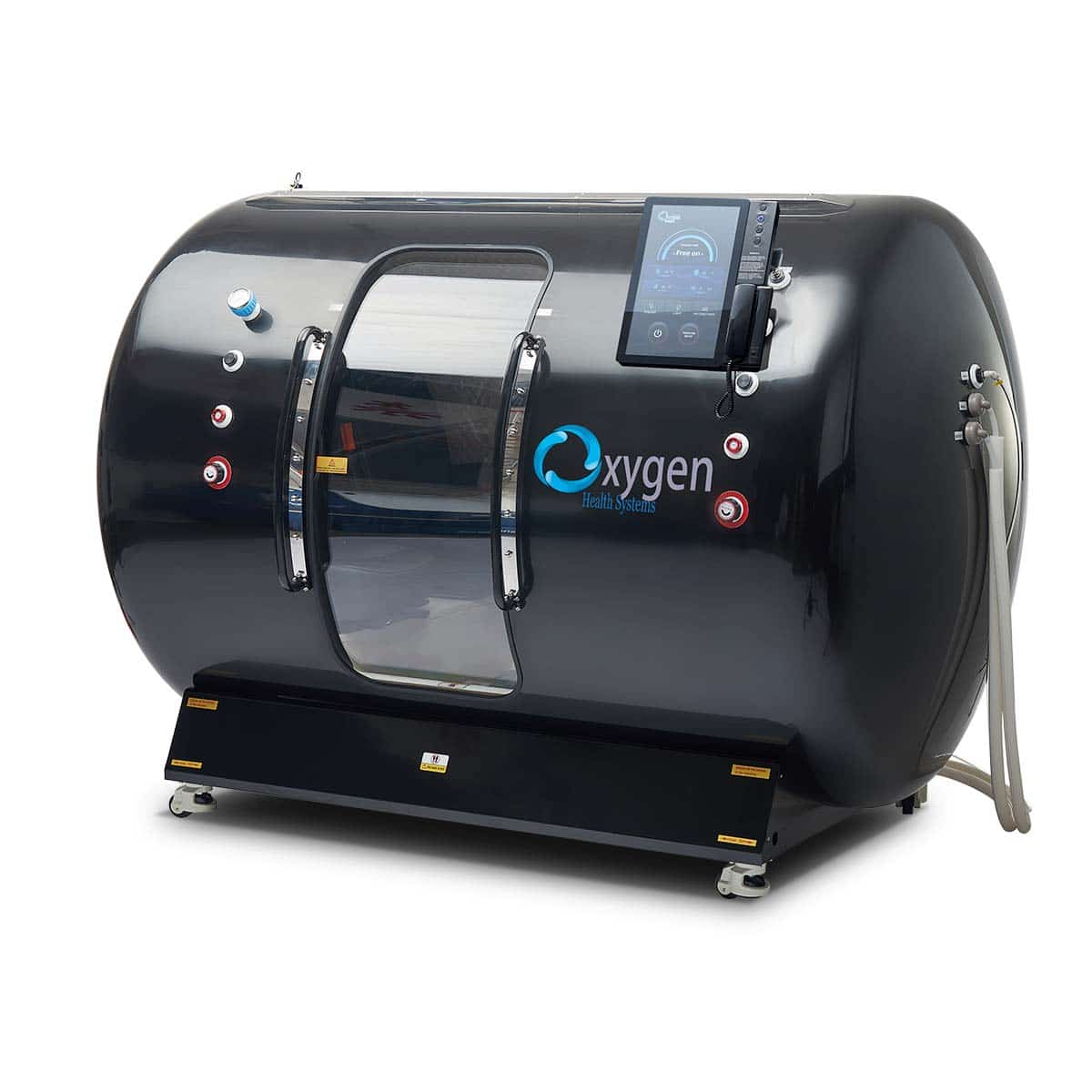
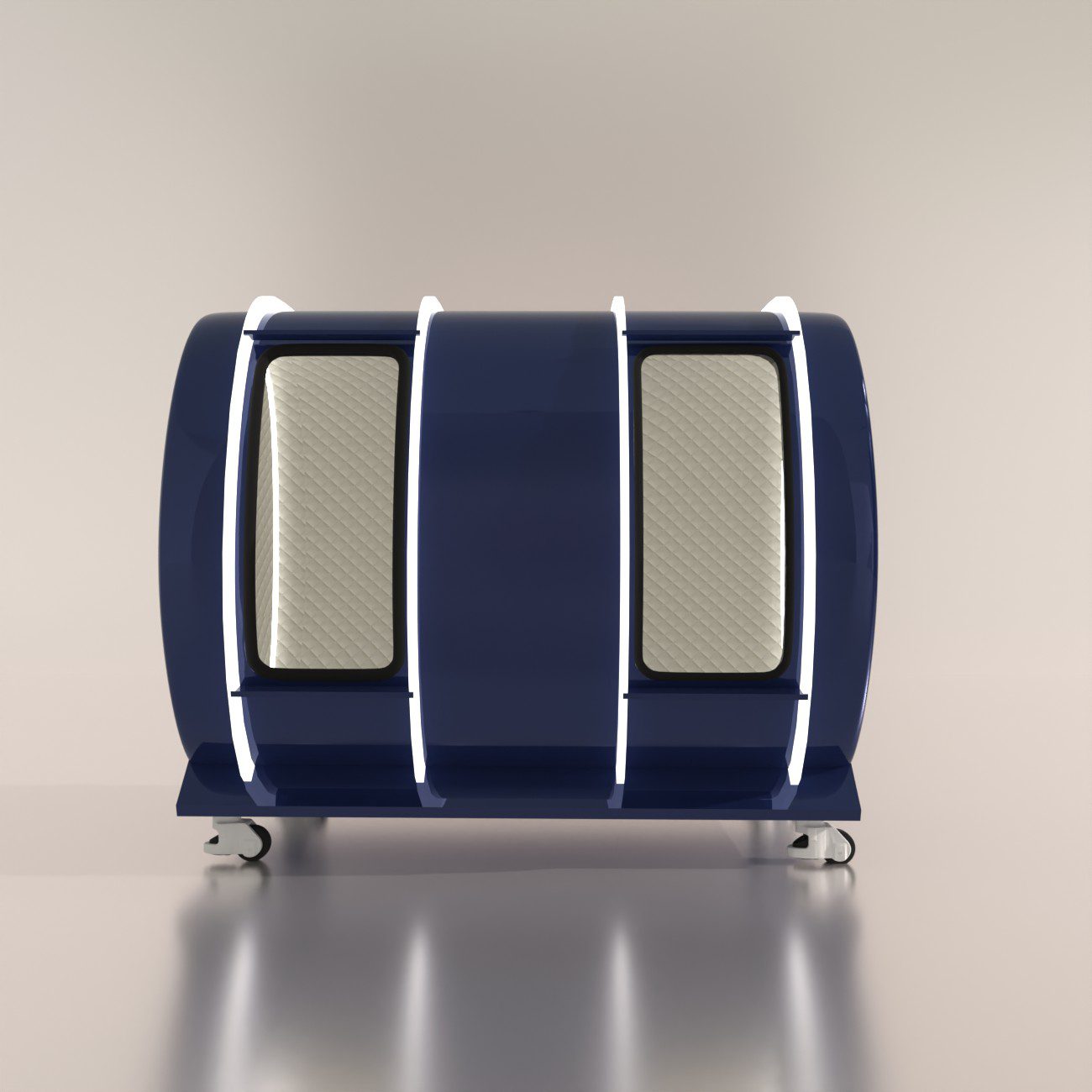
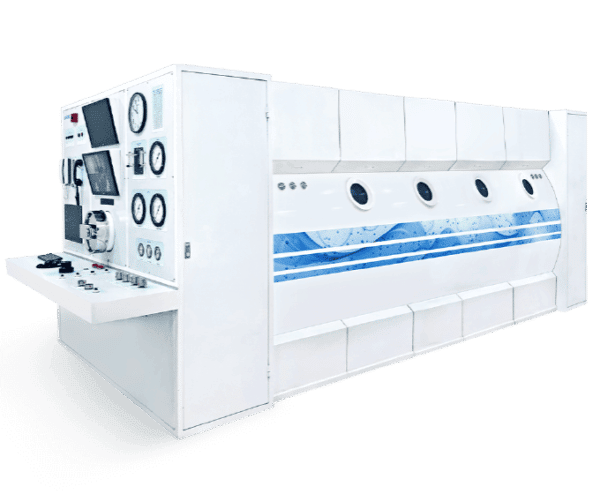
On the other hand, hard-shell chambers are constructed from steel, aluminum, or thick acrylic. These units can reach higher pressures, often up to 2.0 ATA or more, and are similar to what you might find in a professional medical clinic. As noted in this Buying Guide for Oxygen Chambers, hard shells are significantly heavier, more expensive, and require a permanent footprint in your home. While they offer a different experience—often allowing for faster pressurization and 100% oxygen delivery via a built-in bib system—the logistical challenges are substantial. You must verify floor load capacities and door widths, as a hard chamber often cannot fit through a standard bedroom door without major disassembly or professional rigging.
Another factor to consider in the soft vs. hard debate is the entry and exit method. Soft chambers often require a level of mobility to crawl into, whereas hard chambers may offer a walk-in or slide-in entry that is more accessible for elderly users or those with mobility issues. Additionally, hard chambers often feel more spacious due to the rigid walls and large windows, which can be a deciding factor for those prone to claustrophobia. Balancing accessibility, pressure needs, and space constraints is the first step in narrowing down your options.
Buying Guide for Oxygen Chambers outlines the financial investment and hidden costs involved
Price is often the primary filter for buyers, but the sticker price is just the beginning. Soft-shell chambers typically range from $4,000 to $15,000, depending on the brand, size, and included accessories. Hard-shell units usually start around $15,000 and can easily exceed $50,000 for multi-place units. However, this Buying Guide for Oxygen Chambers emphasizes that the initial purchase price is not the only cost to consider. You must also account for shipping, which can be hundreds of dollars for heavy freight items, and professional installation fees. While soft chambers can technically be set up by a handy homeowner, hard chambers almost always require "white glove" installation services.
Furthermore, the chamber itself is just the vessel; the air compressor and oxygen concentrator are vital components that may or may not be included in the base price listed on a website. A comprehensive Buying Guide for Oxygen Chambers will warn you to check the "What's in the Box" section carefully. Some budget retailers sell the chamber bag separately, forcing you to buy the peripheral machinery at a significant markup. Always calculate the "all-in" price. Additionally, consider the running costs. These systems typically run 2 to 3 motors (compressor, concentrator, cooler) simultaneously, which will impact your monthly electricity bill, similar to running a large window air conditioner.
Resale value is another financial consideration. High-quality chambers from reputable brands tend to hold their value well, often reselling for 50-60% of their original price if kept in good condition. Cheaper, generic imports often have little to no resale value due to safety concerns and lack of transferrable support. Viewing your purchase as an asset rather than a sunk cost can help justify spending a bit more upfront for a reputable brand with a strong secondary market presence.
Buying Guide for Oxygen Chambers emphasizes the importance of pressure ratings and safety features
Safety should be your non-negotiable priority. When you are inside a pressurized environment, you are relying on the engineering of the vessel to keep you safe. In this Buying Guide for Oxygen Chambers, we stress the importance of redundant pressure relief valves. These valves automatically vent excess air to prevent the chamber from over-pressurizing. A high-quality chamber will have at least two, if not three, of these valves to ensure fail-safe operation. You should also look for emergency depressurization knobs that are accessible from both the inside and the outside, allowing you to exit the chamber quickly in case of a power failure or claustrophobic episode.
Additionally, look for dual zippers or robust sealing mechanisms on soft chambers. The integrity of the seal determines the stability of the pressure. If a chamber leaks excessively, the compressor has to work overtime, leading to excessive noise, heat, and premature motor failure. Following this Buying Guide for Oxygen Chambers means looking for units that have undergone third-party safety testing or carry relevant certifications for consumer electrical appliances. Beware of unbranded units from overseas marketplaces that lack these safety redundancies; saving money is not worth the risk of a zipper failure under pressure.
Another often overlooked safety feature is Carbon Dioxide (CO2) flushing. As you breathe inside the sealed environment, CO2 levels rise. A safe system must have a high enough flow rate (typically 60 liters per minute or higher for the air compressor) to continuously flush out the CO2 through the relief valves. If the flow is too low, you risk CO2 buildup, which can cause headaches and fatigue—the exact opposite of the therapy's intended effect. Verifying the flow rate of the compressor is a critical safety check.
Buying Guide for Oxygen Chambers suggests evaluating size and portability for home use
Chambers come in various diameters, typically ranging from 26 inches to over 40 inches. While a 26-inch chamber is more affordable, it can feel extremely tight for an average-sized adult, making it difficult to turn over or read a book. This Buying Guide for Oxygen Chambers recommends measuring your shoulder width and considering your mobility. If you plan to sleep in the chamber or want to use it with a child or pet, you will likely need a unit with a diameter of at least 32 inches. Vertical "dive" style chambers are also an option for those who prefer to sit in a chair and work on a laptop rather than lie down.
Portability is another factor that varies wildly. If you live in an apartment or plan to travel with your unit, weight matters. A soft chamber can often be folded into a large duffel bag, but the compressors and concentrators are heavy, often weighing 40-60 pounds each. As noted in our Buying Guide for Oxygen Chambers, ensure you have a designated space with adequate airflow for the machinery. The compressors generate heat and noise, so placing the chamber in a small, unventilated walk-in closet is not recommended. You need a room where the air can circulate to keep the intake air cool and clean.
For those considering vertical chambers, ceiling height becomes a factor. Ensure you have ample clearance for the top of the chamber when fully inflated. Also, consider the entry threshold. Vertical chambers usually require stepping over a high rim to enter, which can be a tripping hazard. Horizontal chambers are generally easier to enter but take up significant floor space—roughly the footprint of a twin bed. Measuring your room layout before ordering prevents the headache of returning a bulky medical device.
Buying Guide for Oxygen Chambers details essential maintenance routines for long-term durability
Protecting your investment requires regular, disciplined care. The zippers on a soft-shell chamber are the most critical mechanical component. If the zipper fails, the chamber cannot hold pressure, rendering it useless. Therefore, this Buying Guide for Oxygen Chambers advises keeping the zipper teeth clean and lubricated with the specific wax or silicone grease provided by the manufacturer. Operating the zipper slowly and smoothly prevents misalignment and fabric tears. Never force a zipper under pressure; always ensure the chamber is fully depressurized before attempting to open it.
Hygiene is also paramount. The interior of the chamber can become warm and humid during a session, creating an ideal environment for bacteria or mold if not cleaned properly. Following the maintenance section of this Buying Guide for Oxygen Chambers involves wiping down the interior with a mild, non-abrasive cleaner (like hydrogen peroxide or mild soap) after use and leaving the valves or windows open to air out. Additionally, the filters on the air compressor and oxygen concentrator need to be washed or replaced regularly—typically every 6 months—to ensure the air you are breathing is clean and to prevent the motors from overheating due to restricted airflow.
Internal frames add another layer of maintenance. Many soft chambers come with metal frames to keep the bag upright when deflated, making entry easier. Ensure these frames are padded and secure so they do not rub against the chamber walls, which could cause abrasion leaks over time. Regular visual inspections of the seams and windows for stress marks will help you catch potential issues before they become critical failures.
Buying Guide for Oxygen Chambers covers oxygen concentrator compatibility and purity levels
The chamber provides the pressure, but the concentrator provides the oxygen-enriched air that makes the therapy effective. Not all concentrators are compatible with all chambers. A robust Buying Guide for Oxygen Chambers explains that you typically need a concentrator capable of delivering 10 liters per minute (LPM) of flow at a high enough pressure (PSI) to push oxygen into the pressurized environment. Standard medical concentrators designed for nasal cannulas typically output at 5-7 PSI, which is often too weak to overcome the 1.3 ATA (approx 4.4 PSI) pressure inside the chamber, leading to backflow or no oxygen delivery.
You also want to verify the purity levels. A good system should deliver 90% to 95% pure oxygen to the mask or headset worn inside the chamber. Using this Buying Guide for Oxygen Chambers helps you identify kits that include "HBOT-ready" concentrators with output pressures of 20 PSI or higher. Attempting to save money by buying a cheap, low-flow concentrator from a medical supply store will significantly reduce the efficacy of your sessions, as you will essentially just be breathing compressed room air rather than the therapeutic oxygen levels required for deep tissue healing.
Additionally, consider the noise level of the concentrator. The "whooshing" sound of the oxygen pulse can be rhythmic and soothing, or annoying depending on the machine quality. Higher-end concentrators often have better sound dampening. If you plan to sleep in the chamber, the noise level of the peripherals is a major comfort factor to consider.
Buying Guide for Oxygen Chambers reviews warranty terms and customer support availability
Electronics and mechanical parts can fail, and shipping a 50-pound compressor back for repairs is costly and logistically difficult. Therefore, examining the warranty is a crucial step found in any honest Buying Guide for Oxygen Chambers. Look for a minimum of a two-year warranty on the chamber and one year on the peripherals. Some premium brands offer lifetime warranties on the chamber hull, which speaks volumes about their confidence in the manufacturing quality. Be wary of "parts only" warranties that require you to pay for labor or international shipping for repairs.
Customer support is equally important. You want a company that answers the phone when you have questions about assembly or troubleshooting. This Buying Guide for Oxygen Chambers suggests testing the customer service before you buy—send an email or call them to see how responsive and knowledgeable they are. A company that is hard to reach during the sales process will likely be impossible to reach when you need technical support. Look for brands that have domestic service centers so you aren't waiting months for a replacement part to arrive from overseas.
Ask specifically about their policy on "loaner" equipment. If your compressor fails and needs to be sent in for a 3-week repair, does the company provide a loaner unit so your therapy isn't interrupted? This level of service separates the top-tier medical suppliers from the budget importers.
Buying Guide for Oxygen Chambers mistakes to avoid when purchasing second-hand units
The used market can be tempting due to the high cost of new units, but it carries significant risks. One of the biggest mistakes highlighted in this Buying Guide for Oxygen Chambers is buying a unit with non-transferable warranties. Many manufacturers only honor the warranty for the original purchaser. If a zipper breaks or a seam splits on a used unit, you could be left with a useless piece of fabric and a repair bill that exceeds the value of the chamber.
Furthermore, hygiene is a major concern with used equipment. You do not know if the previous owner had pets, smoked, or maintained the unit properly. Smoke residue, pet dander, or mold spores can be deeply embedded in the fabric or the compressor filters. If you do choose to buy used, relying on a Buying Guide for Oxygen Chambers protects you by reminding you to inspect the unit in person while it is pressurized. Never buy a used chamber without seeing it fully inflated to check for leaks, strange odors, or zipper issues. Ask for the service records of the compressor to ensure it hasn't exceeded its rated hour life.
In conclusion, bringing oxygen therapy into your home is a transformative step for your wellness routine, offering the potential for profound healing and vitality. By utilizing this Buying Guide for Oxygen Chambers, you are now equipped to distinguish between marketing hype and genuine engineering quality. Remember that value is not just about the lowest price; it is about safety, durability, and the quality of the air you breathe. Take your time, measure your space, and choose a partner in health that will support you for the long haul.



0 Comments