
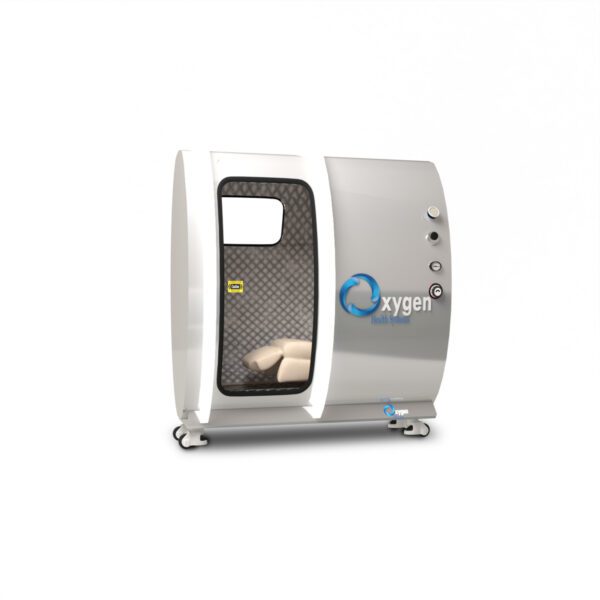
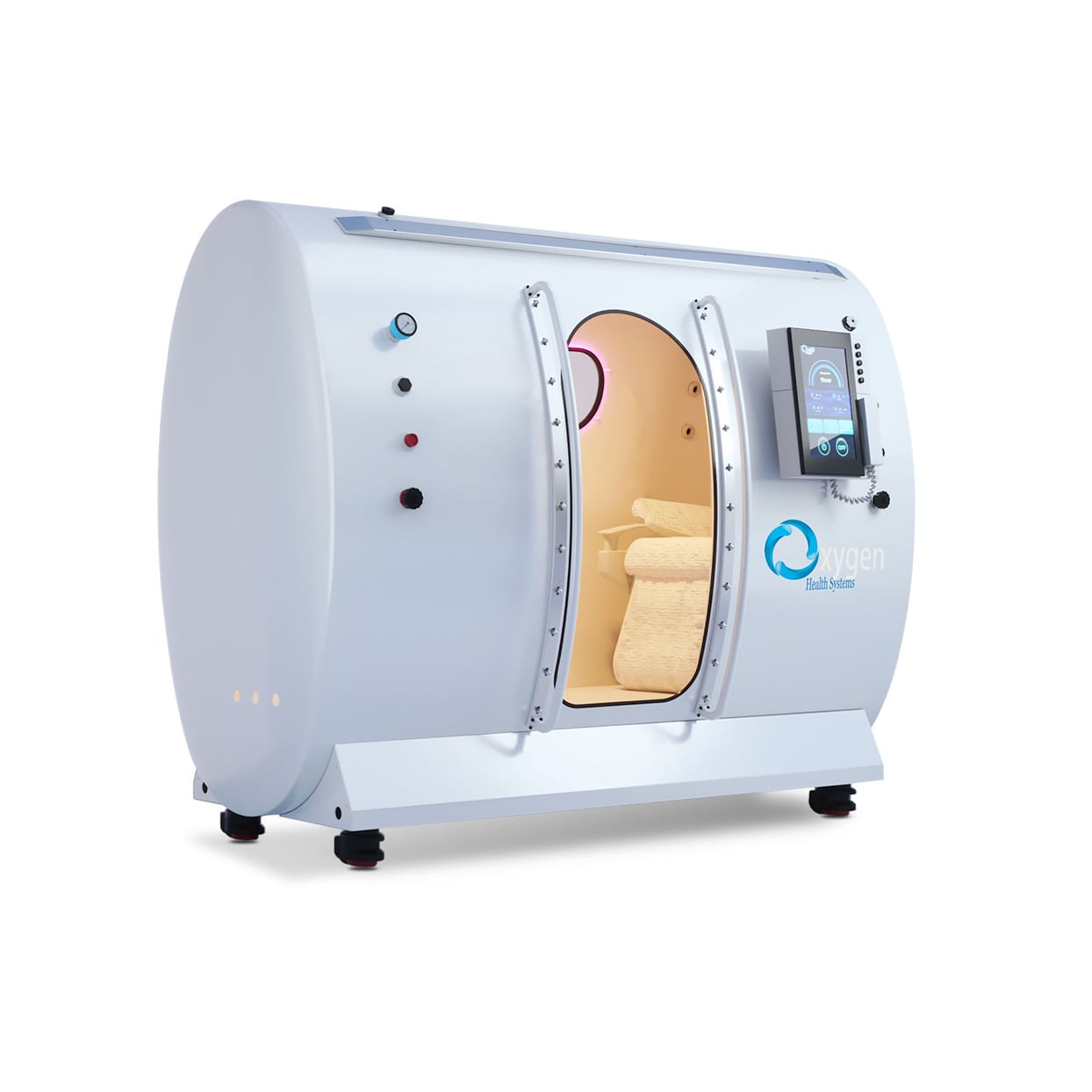

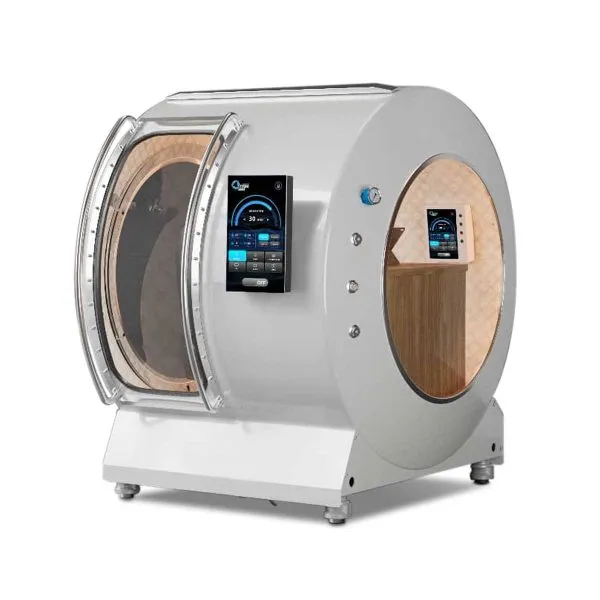
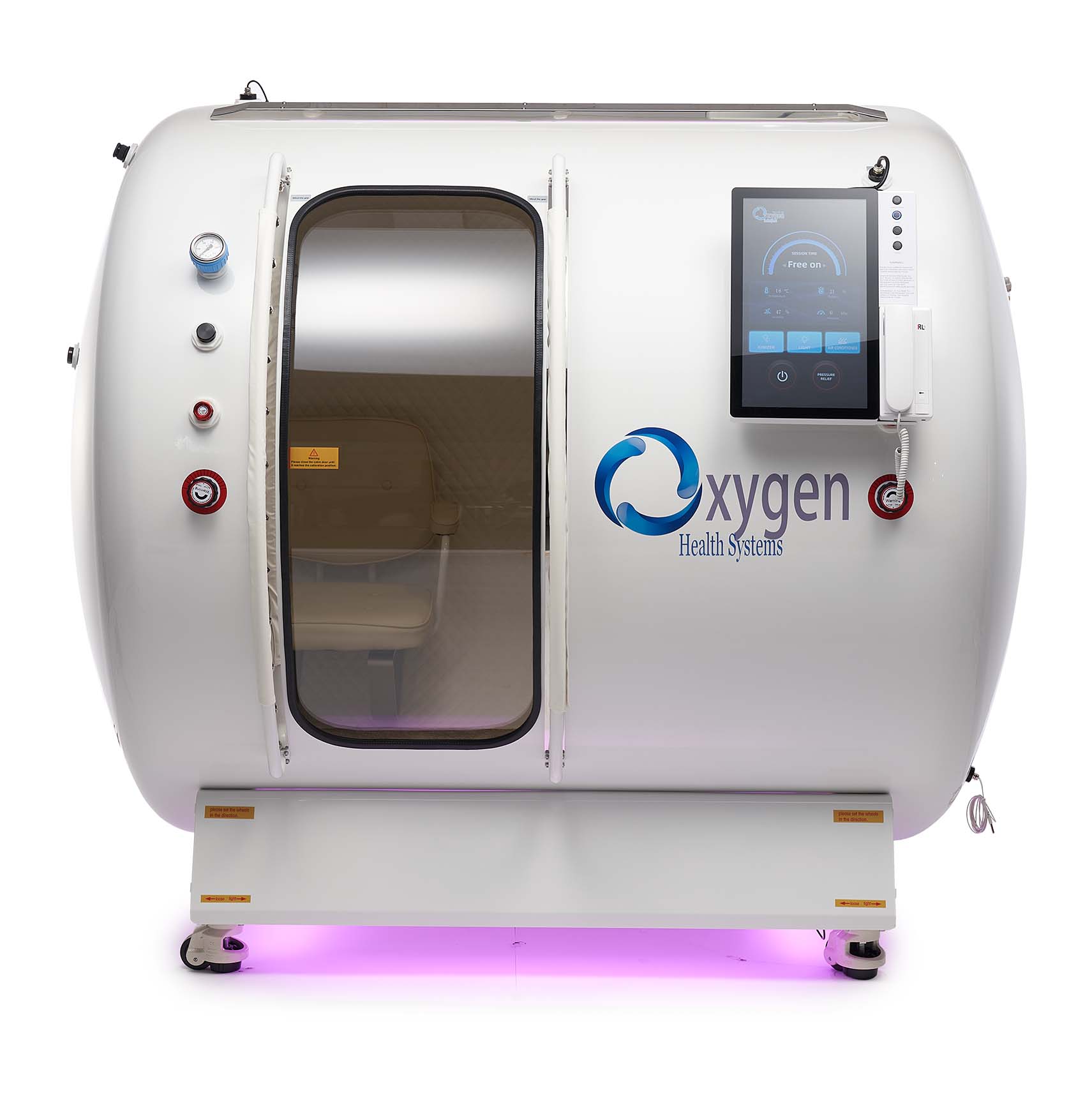


The world of hyperbaric oxygen therapy (HBOT) has expanded rapidly over the last decade, moving from the exclusive, sterile domain of hospital wound care centers into accessible wellness clinics, high-performance sports recovery facilities, and private residences. As interest in this regenerative modality grows, prospective users face a critical, often expensive decision regarding the equipment they choose to utilize. The debate of Soft vs. Hard Shell Chambers is the primary crossroads for anyone looking to invest in this technology for their health. Understanding the fundamental, structural, and physiological differences between these two distinct categories is absolutely essential for ensuring safety, long-term efficacy, and overall satisfaction with the therapy.
>>> Take It Home <<<
At a quick glance, the distinction seems to be merely about the materials used—flexible fabric versus rigid steel or acrylic. However, a deeper, evidence-based analysis of Soft vs. Hard Shell Chambers reveals significant, non-negotiable disparities in pressure capabilities, oxygen delivery methods, safety protocols, and regulatory classifications. Soft chambers, often referred to technically as "mild" hyperbaric units (mHBOT), are designed for portability, affordability, and user-friendly access, while hard chambers represent the clinical gold standard capable of reaching much greater atmospheric depths to treat acute medical indications. Navigating the complex choice between Soft vs. Hard Shell Chambers requires a clear, honest understanding of your specific wellness goals, your budget, and your logistical constraints within your home or business.
For the average consumer, this decision often comes down to a balance of budget and intended physiological use. Are you looking for a daily wellness tool to combat cognitive fatigue and general inflammation, or do you require a medical-grade intervention for a specific, diagnosed condition like radiation necrosis or sudden hearing loss? Evaluating Soft vs. Hard Shell Chambers through the lens of pure functionality helps clarify the path forward. This comprehensive guide delves deep into the structural engineering, operational workflows, and practical differences to help you make an educated, confident choice in the evolving, and sometimes confusing, landscape of oxygen therapy.
Soft vs. Hard Shell Chambers Structural Differences And Design Materials
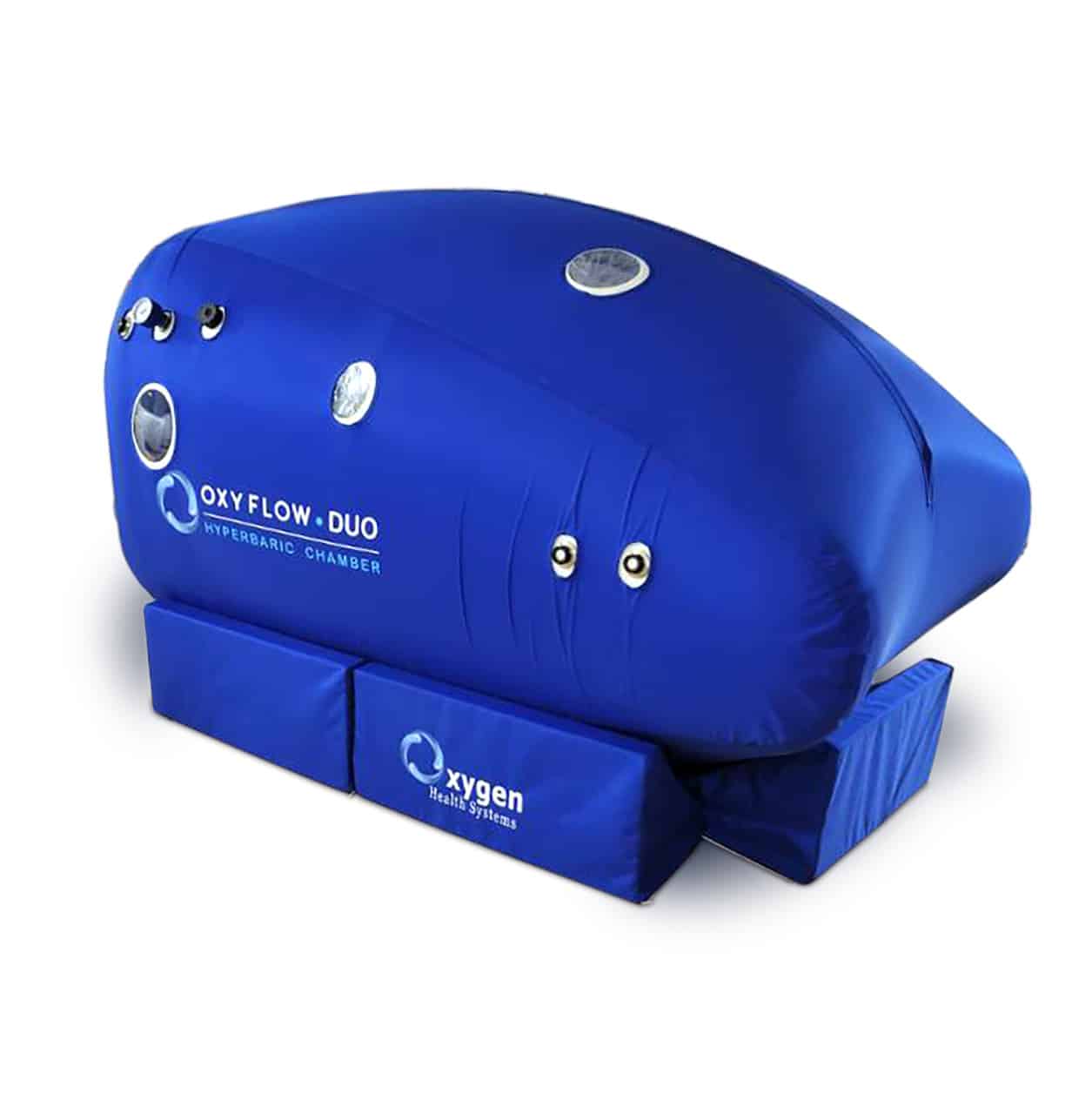
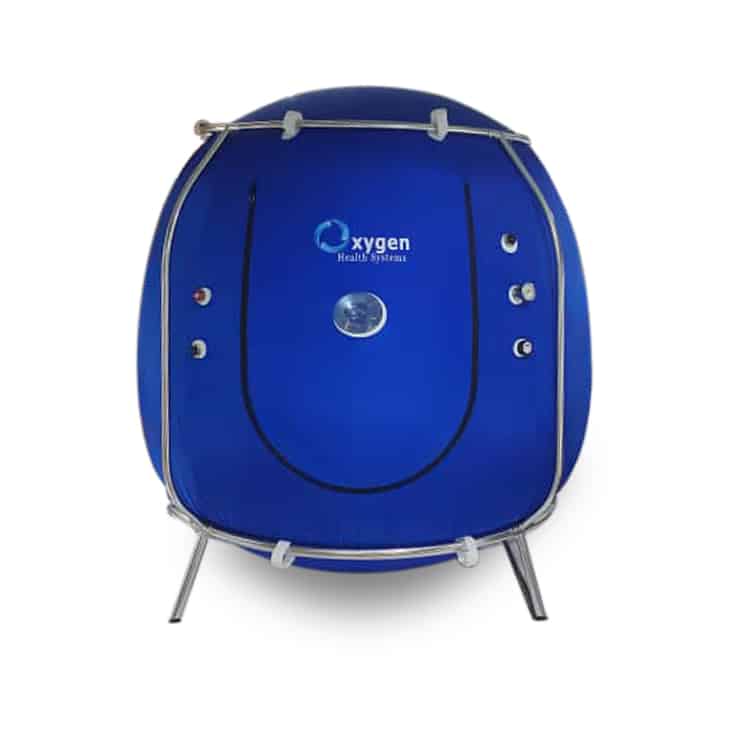
The most immediate and obvious difference lies in the construction and engineering of the vessel itself. Soft chambers are typically manufactured from high-grade, food-safe polyurethane or heavy-duty, double-laminated canvas materials, which are then sealed with specialized, high-tensile pressure zippers and gaskets. When comparing Soft vs. Hard Shell Chambers, the soft variety is specifically designed to be lightweight, collapsible, and easy to ship or transport. This makes them the ideal solution for home use where space might be limited or where the unit needs to be moved occasionally. They inflate like a incredibly robust, structured balloon, creating a pressurized environment that is comfortable yet flexible to the touch.
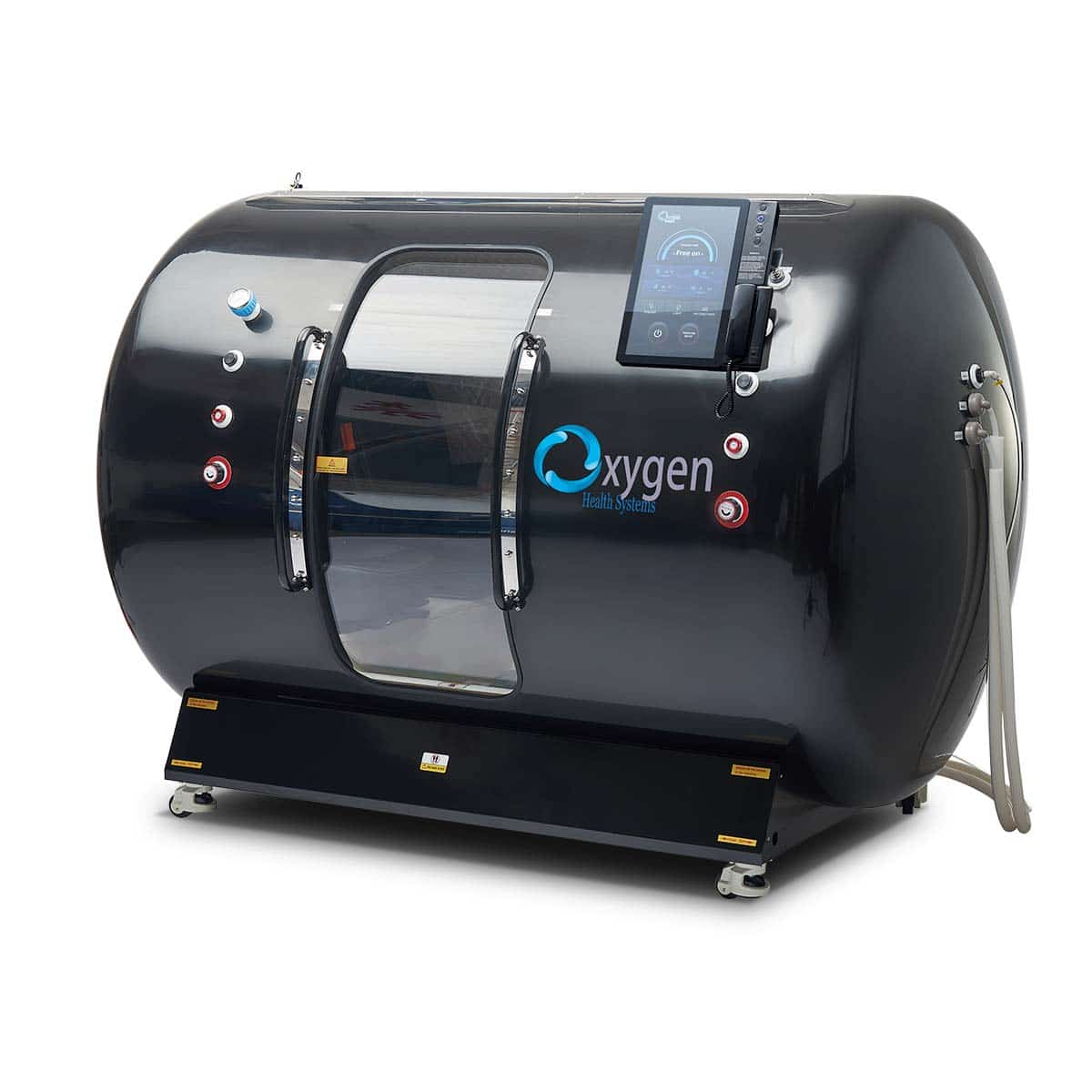
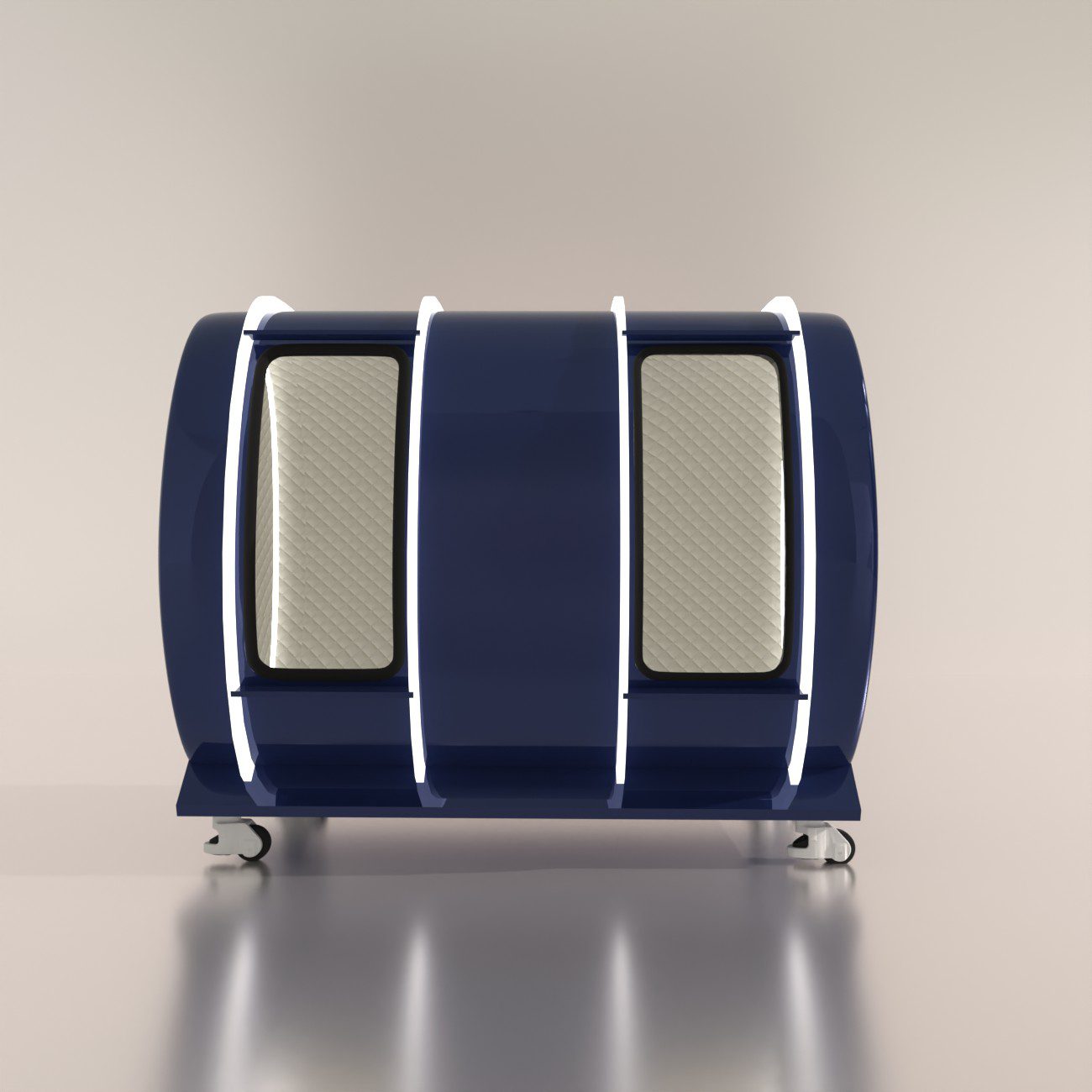
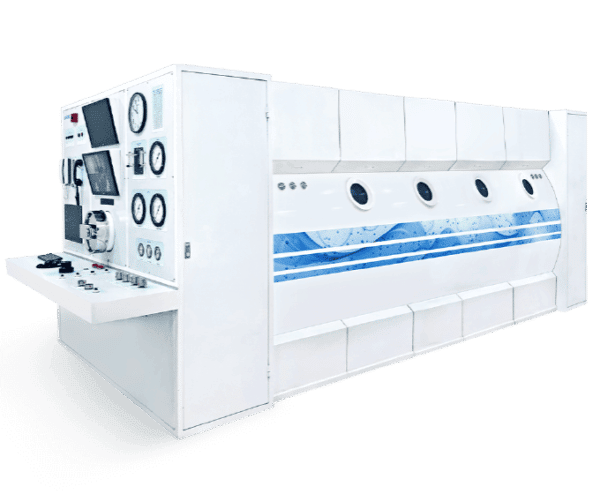
Conversely, hard shell chambers are heavy-duty engineering marvels built from rigid, industrial materials like thick acrylic, carbon steel, or aluminum alloys. In the detailed discussion of Soft vs. Hard Shell Chambers, the hard units are undeniably more substantial and permanent. They resemble small submarines or aerospace capsules and are designed to withstand immense internal pressure (often exceeding 30 PSI) without changing shape or stressing the material. This rigidity allows for the installation of larger, clearer viewing ports (reducing claustrophobia) and more complex pass-through systems for medical monitoring equipment (IVs, EKG wires), which is rarely possible with the simplified soft designs.
The entry and exit experience—often overlooked until the unit is installed—also differs significantly between the two. Hard chambers often feature heavy, latching doors that seal instantly upon closure, or large sliding acrylic tubes. Whereas, soft chambers rely on a series of internal and external zippers and buckles that require a certain degree of physical dexterity and mobility to operate from the inside. When evaluating Soft vs. Hard Shell Chambers for elderly users or those with mobility impairments, the ease of access is a major safety consideration. Hard chambers often allow for slide-in gurneys or easy-entry seating configurations, whereas soft chambers usually require crawling onto a mat on the floor, which can be difficult for some populations.
Soft vs. Hard Shell Chambers Pressure Capabilities And Efficacy
Physics dictates the efficacy of hyperbaric therapy, and atmospheric pressure is the key variable that drives oxygen into the tissues via Henry's Law. The most critical technical distinction in the Soft vs. Hard Shell Chambers debate is the maximum Atmospheric Absolute (ATA) they can safely achieve and maintain. Soft chambers are generally strictly limited to 1.3 ATA (roughly 4 PSI), although some newer "pro" models can reach 1.5 ATA. This level, known as "mild" hyperbaria, is sufficient for sports recovery, reducing general inflammation, and general wellness, but it does not reach the therapeutic levels typically used in hospital settings for treating wounds or acute carbon monoxide poisoning.
Hard chambers are structurally designed to reach pressures of 2.0 ATA, 3.0 ATA, and potentially beyond. This capability changes the physiological impact entirely. When analyzing Soft vs. Hard Shell Chambers regarding absorption, the hard units drive significantly more oxygen into the blood plasma, cerebrospinal fluid, and lymph. For conditions requiring deep tissue oxygenation to fight anaerobic infections (like gangrene) or heal stubborn diabetic ulcers, the higher pressures of a hard chamber are non-negotiable and medically necessary to achieve the desired clinical outcome.
However, "more" pressure isn't always "better" for every single user or condition. Some individuals experience significant ear pain (barotrauma) or anxiety at higher depths. The comparison of Soft vs. Hard Shell Chambers often highlights that the lower pressure of soft units is gentler, requires less aggressive ear clearing, and is easier to tolerate for frequent, daily sessions. This makes mild HBOT a popular, sustainable choice for families treating chronic, non-emergency conditions where consistency over months is valued over intensity in a single session.
Furthermore, the duration of treatment often differs. Because soft chambers operate at lower pressures, sessions are often longer (60 to 90 minutes) to allow for cumulative oxygen absorption. Hard chamber sessions might be shorter but more intense. Understanding this time commitment is vital when choosing between Soft vs. Hard Shell Chambers for a busy lifestyle. Do you have 90 minutes a day to relax in a soft chamber, or do you prefer fewer, more intense clinical visits?
Soft vs. Hard Shell Chambers Safety Protocols And Oxygen Delivery
Safety is paramount when dealing with pressurized oxygen, as high concentrations can increase fire risks. The operational risks differ vastly between the two types. In the context of Soft vs. Hard Shell Chambers, hard chambers often utilize 100% oxygen pumped directly into the vessel (monoplace) or delivered via a tight-fitting hood or mask (multiplace). This creates a high-oxygen environment (in monoplace units) that poses a significant fire risk, requiring strict protocols regarding clothing (100% cotton scrubs only), grounding straps, and the strict prohibition of electronics, lotions, or synthetic materials inside the chamber.
Soft chambers, by contrast, utilize ambient room air to pressurize the bag, and concentrated oxygen (roughly 90-95%) is delivered separately via a medical-grade oxygen concentrator through a mask or cannula. When looking at Soft vs. Hard Shell Chambers regarding fire safety, soft chambers are generally considered safer for unsupervised home use because the ambient air inside the chamber remains at normal oxygen levels (21%). This allows users to bring in tablets, smartphones, books, or blankets without the risk of static spark combustion, making the lengthy sessions significantly more enjoyable, productive, and less clinical.
Nevertheless, responsible supervision is required for both types. While soft chambers are marketed for self-use, getting in and out can be tricky in an emergency if the zippers jam or the user feels unwell. Hard chambers universally require a trained technician to operate the external controls and monitor the patient. The safety conversation around Soft vs. Hard Shell Chambers ultimately centers on the environment: clinical supervision versus personal responsibility. Hard chambers offer professional oversight and emergency protocols, while soft chambers offer convenience with a lower, but still present, risk profile that requires user education.
Soft vs. Hard Shell Chambers Durability And Long Term Maintenance
Investment in hyperbaric equipment is significant, often costing as much as a car, so longevity is a major financial factor. Hard chambers are built to last for decades, often outliving their original owners. Constructed from industrial-grade metals and scratch-resistant acrylics, they are incredibly resistant to wear and tear. In the long-term battle of Soft vs. Hard Shell Chambers, the hard units clearly win on durability. They are less likely to develop slow leaks and can withstand thousands of pressurization cycles without structural degradation, making them the preferred choice for high-volume clinics that treat dozens of patients daily.
Soft chambers, being made of fabric, welded seams, and zippers, have a finite lifespan. The constant expansion and contraction (inflation and deflation) can eventually fatigue the material, leading to delamination or seam stress. When reviewing Soft vs. Hard Shell Chambers, prospective buyers must consider that soft units may require zipper replacements, valve cleaning, or bladder patching over time. The bladder is also susceptible to punctures from sharp objects, pet claws, or improper handling during setup—risks that are virtually non-existent with rigid metal vessels.
However, maintenance for soft chambers is simpler and less costly for the end-user. Repairs can often be done at home with a patch kit or by shipping the lightweight bladder to the manufacturer. Hard chambers require specialized, certified technicians for servicing seals, windows, and hydraulic locking mechanisms. The Soft vs. Hard Shell Chambers maintenance trade-off is essentially between the frequency of minor repairs (soft) versus the high cost and logistical complexity of major servicing (hard).
Soft vs. Hard Shell Chambers Cost And Accessibility
The price gap between these technologies is massive and is often the deciding factor. Soft chambers typically range from $4,000 to $20,000, making them accessible to upper-middle-class households, small chiropractic offices, and wellness spas. This relative affordability is a primary driver in the current Soft vs. Hard Shell Chambers market dynamic. It allows individuals to own the technology and use it daily without paying high per-session fees at a specialized clinic, amortizing the cost over hundreds of sessions.
Hard chambers start around $100,000 and can go up to millions for multiplace hospital units. For the vast majority of people, owning a hard chamber is financially impossible. Therefore, the choice of Soft vs. Hard Shell Chambers is often a choice between buying a soft unit for convenient home use or renting time in a hard unit at a clinic. Insurance coverage plays a role here; insurance typically covers only specific, FDA-approved conditions treated in hard chambers at accredited medical facilities, rarely covering home soft chambers or "off-label" uses.
Accessibility also refers to physical installation logistics. A soft chamber can be delivered via UPS in boxes and set up in a bedroom or office in an hour. A hard chamber requires professional rigging, reinforced floors to handle the weight, specific electrical requirements, and sometimes widened doorways or removed windows to install. The logistical simplicity of Soft vs. Hard Shell Chambers heavily favors the soft variety for residential settings.
Soft vs. Hard Shell Chambers Choosing The Right Option
Ultimately, the choice depends on clinical needs versus lifestyle preferences. If you are treating a non-healing diabetic wound, osteomyelitis, carbon monoxide poisoning, or radiation burns, the medical literature overwhelmingly supports the high pressures of hard chambers. In these critical cases, the debate of Soft vs. Hard Shell Chambers is effectively settled by medical necessity; the hard chamber is the only tool that can reach the required therapeutic threshold to save tissue or life.
However, for goals such as cognitive optimization, anti-aging, general athletic recovery, or autism support, many users and practitioners find the mild pressures of soft chambers to be highly beneficial and far more convenient. The cumulative effect of daily mild therapy can sometimes outweigh sporadic high-intensity sessions due to the consistency of oxygen exposure. When weighing Soft vs. Hard Shell Chambers, consider your ability to commit to the routine. The "best" chamber is often the one you can actually use consistently without barriers.
In conclusion, both technologies have their valid and important place in the spectrum of care. By understanding the distinct features, safety profiles, and capabilities of Soft vs. Hard Shell Chambers, you can navigate the market with confidence, ensuring that your investment leads to the health outcomes you desire. Whether you choose the flexibility and comfort of a soft chamber or the raw power and depth of a hard shell, prioritizing oxygenation is a profound step toward better health.



0 Comments